Patrology — General
General news and announcements
Course Plan :
Course title: Patrology – Study of Church Fathers .
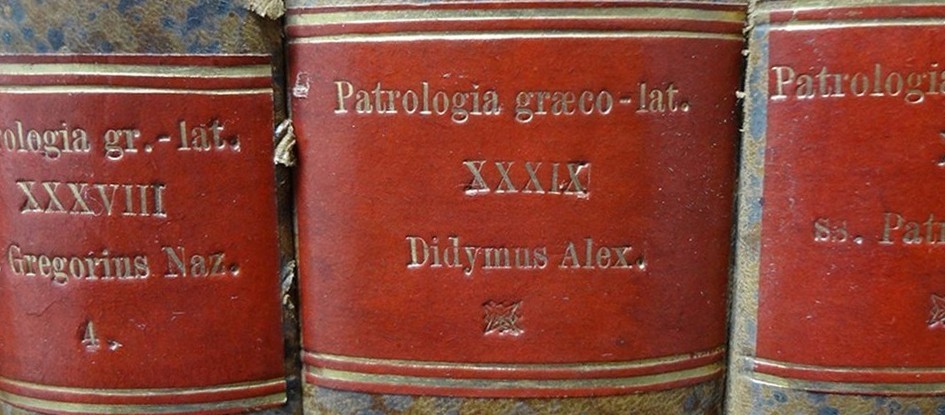
Course audience: The course is intended for individuals engaged or about to engage in Church ministry in dioceses of the Orthodox Church, as well as those interested in the Orthodox Christian theology and the teaching of the Fathers of the Orthodox Church concerning Christ, Bible and Christian life.
Model of teaching: Distance learning course.
Course Purpose and Objectives: The course is designed to give a general idea of the teaching of the Fathers of Orthodox Church concerning Christ, Bible and Christian life. At the end of the course students should understand and be able to read and comment on different authors of Ancient Christian Literature, know their interdependency and biographies. The course is essential for ministers of the Church to understand the teachings of the Fathers in order to be able to apply them in modern life and preaching.
Course structure: 16 lessons.
Introduction
Lesson 1. General concepts of Patrology/Patristics
1.1 The importance of studying the works of the Holy Fathers
1.2 The Concept of the “Fathers of the Church”
1.3 Periodization
A. Ante-Nicene Period (2nd - early 4th cent.)
Lesson 2. Ante-Nicene Period. Apostolic Fathers
2.1 Ante-Nicene Period (late 1st and early 4th centuries)
2.2 Clement of Rome
2.3 Ignatius of Antioch
2.4 Polycarp of Smyrna
Lesson 3. Liturgico-Canonical Texts. Christian Apocalyptical Texts
3.1 The Teaching of the Twelve Apostles (Didache)
3.2 The Epistle of Barnabas.
3.3 The Shepherd of Hermas
Lesson 4. Early Christian Apologists (1)
4.1 Early Christian Apologists
4.2 Aristides of Athens
4.3 Athenagoras of Athens
4.4 Tatian the Syrian
Lesson 5. Ante-Nicene Period. Early Christian Apologists (2)
5.1 Theophilus of Antioch
5.2 Justin the Philosopher
5.3 Melito of Sardis
5.4 “Letter to Diognetus”
Lesson 6. Church Authors against Gnostics. Irenaeus of Lyon
6.1 Gnostics
6.2. St. Irenaeus of Lyon
Lesson 7. Beginnings of the Alexandrian theological school. Clement of Alexandria, Origen
7.1. Alexandrian catechetical and theological school.
7.2 Clement of Alexandria
7.3 Origen of Alexandria
Lesson 8. Early Latin Christian Literature
8.1 Minucius Felix
8.2 Tertullian
8.3 Cyprian of Carthage
8.4 Novatianus
B. The Golden age of Patristic literature. Great trinitarian and christological debates: mid-4th - mid-5th cent.
Lesson 9. Nicene Fathers. Cappadocian Fathers.
9.1 Nicene Fathers. Athanasius of Alexandria.
9.2 Cappadocian Fathers. Basil the Great
9.3 Gregory the Theologian
9.4 Gregory of Nyssa
Lesson 10. Syriac Fathers. Antiochian theological tradition and its Constantinople and Jerusalem branches
10.1 Epraim the Syrian.
10.2 Biblical Exegesis: Diodore of Tarsus. Theodore of Mopsuestia.
10.3 Catechetical preachers: Cyril of Jerusalem
10.4 John of Constantinople (Chrysostom)
Lesson 11. Beginnings of the monastic literature
11.1 Antony the Great
11.2 Pachomius and his disciples
11.3 Macarius of Egypt
11.4 Evagrius Ponticus
11.5 Mark the Monk
11.6 Shenute of Atripe
11.7 Apophthegms
Lesson 12. Western Fathers
12.1 Ambrose of Milan
12.2 Jerome and Rufin
12.3 St. Augustine of Hippo
12.4 Leo the Great
C. Late Antiquity. “After Chalcedon”: late 5th - late 8th cent.
Lesson 13. Chalcedon and after
13.1 Cyril of Alexandria
13.2 Corpus of Ps.-Dionysius the Areopagite
13.3 Leontius of Byzantium
13.4 John Philoponus
Lesson 14. Fathers After Chalcedon
14.2 Sophronius of Jerusalem
14.3 Maximus the Confessor
14.4 Anastasius of Sinai
14.5 John of Damascus
Lesson 15. Ascetic writings
15.1 St. Barsanuphius and St. John
15.2 Dorotheus of Gaza
15.3 John Moschus
15.4 John the Climacus
15.5 Isaac the Syrian.
D. Fathers of the High and Late Middle Ages, 9th - 15th centuries.
Lesson 16. Byzantine ascetic literature. Hesychast controversies. Contacts with Christian West
16.1 Theodore the Studite
16.2 Simeon the New Theologian
16.3 Gregory of Sinai
16.4 Gregory Palamas
16.5 Marcus of Ephesus
Bibliography:

_The course is designed to give a general idea of the teaching of the Fathers of Orthodox Church concerning Christ, Bible and Christian life. At the end of the course students should understand and be able to read and comment on different authors of Ancient Christian Literature, know their interdependency and biographies. The course is essential for ministers of the Church to understand the teachings of the Fathers in order to be able to apply them in modern life and preaching. _
Lesson media
Video lesson available in the offline course archive (not hosted online).
Related Concepts
- after-chalcedon
- ancient-christian-literature
- ante-nicene-period
- antiochian-school
- apologists
- apophthegms
- athanasius-of-alexandria
- biblical-exegesis
- byzantine-ascetic-literature
- byzantine-theology
- cappadocian-fathers
- catechesis
- catechetical-school
- chalcedon
- christian-west
- church-authority
- church-ministry
- clement-of-alexandria
- contacts-with-the-christian-west
- contemplation
- course-structure
- cyril-of-jerusalem
- doctrine
- early-latin-literature
- ecumenical-councils
- episcopacy
- gnostics
- golden-age-of-patristic-literature
- greek-philosophy
- gregory-of-sinai
- gregory-palamas
- hellenism
- hesychast-controversies
- holy-fathers
- irenaeus-of-lyon
- john-chrysostom
- john-climacus
- john-of-damascus
- kiev-period
- letter-to-diognetus
- maximus-the-confessor
- modern-life
- mongol-period
- newest-period
- nicene-fathers
- origen
- orthodox-theology
- patrologypatristics
- periodization
- ps-dionysius-the-areopagite
- simeon-the-new-theologian
- sources-and-literature
- synodal-period
- syriac-fathers
- theodore-of-mopsuestia
- western-fathers