Old Testament — Topic 30
DANIEL
Outline
Dan 1–6 Daniel’s Activities in Exile
1:1–21 Judean Exiles Daniel, Hananiah, Mishael, and Azariah Arrive in Babylon
2:1–49 God Gives Daniel the Ability to Identify and Interpret Nebuchadnezzar’s
Dream
3:1–30 Nebuchadnezzar’s Statue Versus the God of Hananiah, Mishael, and
Azariah
4:1–37 King Nebuchadnezzar Describes His Interactions With the Most High God
5:1–30 Belshazzar’s Feast and the Handwriting on the Wall
6:1–28 Daniel in the Lions’ Den
Dan 7–12 Daniel’s Apocalyptic Visions
7:1–28 Daniel’s Vision of the Four Beasts
8:1–27 Daniel’s Vision of the Ram and the Male Goat
9:1–27 Daniel Prays and Receives a Vision About the Future of Israel and Her
People
10:1–12:13 Daniel Is Alerted to a Cosmic Battle in a Vision
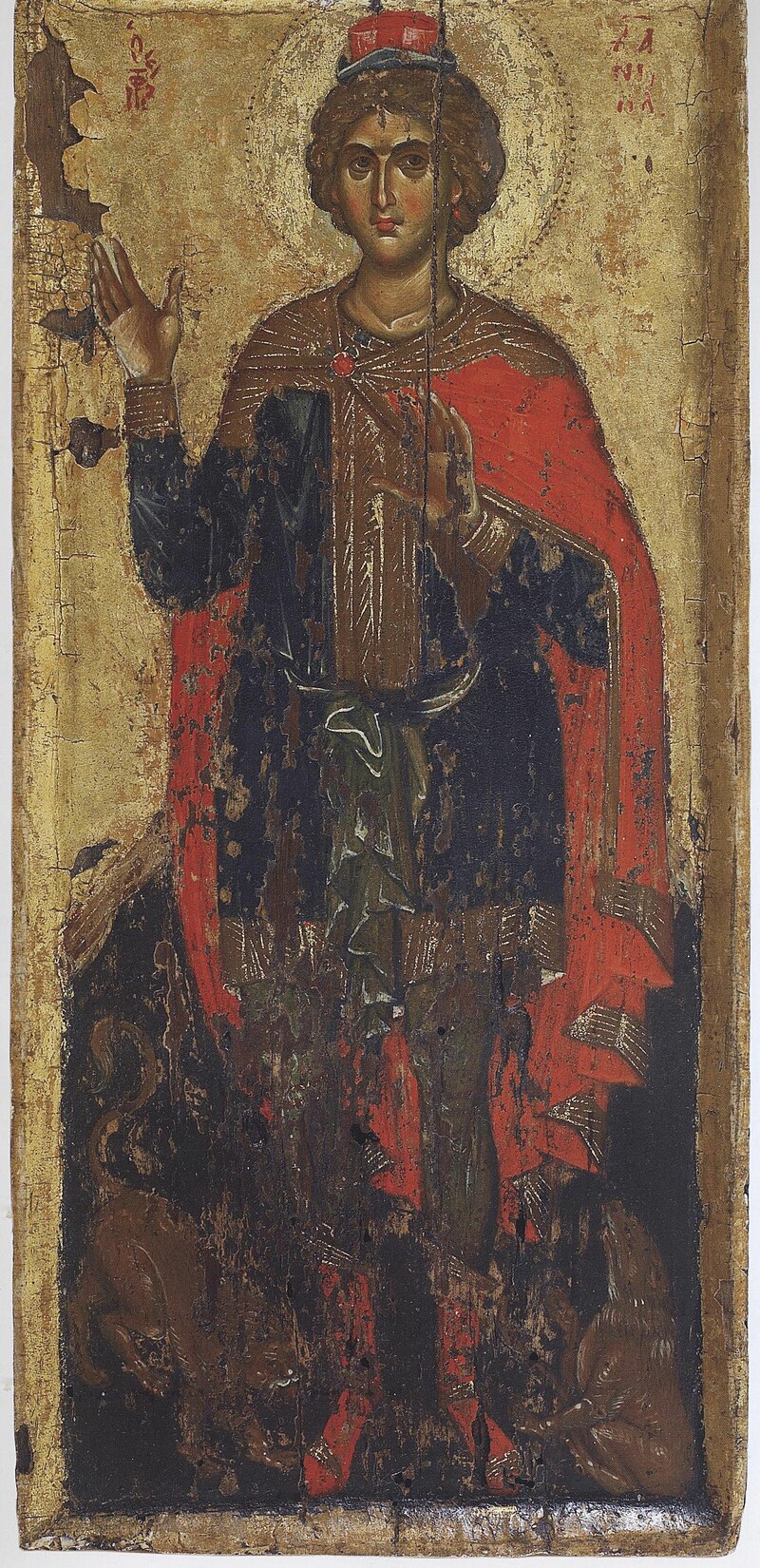
The icon of the Prophet Daniel, painted in the 14th century (1310-1320) in Byzantium, is kept on Mount Athos, Vatopedi Monastery
God’s People in Exile and God’s Eternal Kingdom
The book of Daniel records events that happened to Daniel and his three friends in Babylonian exile, and it casts a vision of what will happen to God’s people in the future. The book contains two distinct genres:
- Chapters 1–6 are stories involving the Jewish exiles, including the exile to Babylon (chap. 1), Nebuchadnezzar’s first dream (chapter 2), the fiery furnace (chapter 3), Nebuchadnezzar’s second dream (chapter 4), the handwriting on the wall (chapter 5), and the lions’ den (chapter 6).
- Chapters 7–12 contain four apocalyptic visions of the future received by Daniel, including a vision of four beasts (chapter 7) and the vision of the Seventy Weeks (chapter 9).
The book also contains two languages: chapters 1 and 8–12 are Hebrew, and chapters 2–7 are Aramaic and arranged in a chiastic structure, whereby parallel events are found in:
- chapters 2 and 7 (dream/vision of four world kingdoms superseded by a fifth eternal kingdom)
- chapters 3 and 6 (accounts of God’s faithful servants facing death),
- chapters 4 and 5 (accounts of God humbling proud gentile kings).
The book’s genres and languages work together to showcase the superiority of Israel’s God and his kingdom.
Daniel’s Activities in Exile (Dan 1–6)
The first major division of Daniel details encounters between Daniel, Shadrach, Meshach, and Abednego and their exilic overlords (Nebuchadnezzar, Belshazzar, and Darius).
It begins with an introduction to the book’s main characters and themes as Daniel resolves to be faithful to God (chapter 1).
Chapters 2 and 4 recount prophetic dreams of Nebuchadnezzar that Babylonian experts were unable to interpret, creating the way for Daniel to showcase the superiority of his God’s wisdom and power.
Chapters 3 and 6 are stories of God’s servants facing death (by fiery furnace or by lions’ den) for their refusal to commit idolatry. Their faithfulness sets the example for God’s people as they face the future depicted in the visions of chapters 7–12.
Judean Exiles Daniel, Hananiah, Mishael, and Azariah Arrive in Babylon (1:1–21)
Daniel 1 serves as a prologue for the book by introducing the historical context of Israel’s exile in Babylon, the book’s main characters (Daniel and his friends, gentile King Nebuchadnezzar, and the divine King Adonai), and the Judean captives’ commitment to remain faithful to their God. The events of the chapter also establish several important themes of the book, including the relationship between divine and human sovereignty, the superiority of Israel’s God, and the resolute faithfulness of God’s servants in exile. Written in Hebrew, the chapter sets up the exilic events depicted in the six Aramaic chapters that follow (Dan 2–7).
God Gives Daniel the Ability to Identify and Interpret Nebuchadnezzar’s Dream (2:1–49)
Daniel 2 is the first of six Aramaic chapters arranged in a chiastic structure (chapters 2–7), whereby parallel events are found in chapters 2 and 7, chapters 3 and 6, and chapters 4 and 5. The chapter follows the Judeans’ decision to remain undefiled (chapter 1) and recounts events surrounding Nebuchadnezzar’s dream of a multilayered metallic statue destroyed by a supernatural rock, identified as an eternal Kingdom established by God Himself (2:44–45). The inability of Nebuchadnezzar’s wise men to interpret the dream sets up Daniel’s identification and interpretation of the dream. The dream’s portrayal of fragile human Kingdoms reappears in chapter 7, and its message of God’s superior Kingship and Kingdom is further developed in chapter 3.
Nebuchadnezzar’s Statue Versus the God of Hananiah, Mishael, and Azariah (3:1–30)
Daniel 3 is the second of six Aramaic chapters arranged in a chiastic structure (chapters 2–7), whereby parallel events are found in chapters 2 and 7, chapters 3 and 6, and chapters 4 and 5. Following his dream of a magnificent statue (chapter 2), Nebuchadnezzar erects a large statue and commands his officials to bow before it. Shadrach, Meshach, and Abednego refuse, bringing Nebuchadnezzar’s challenge to any god to deliver from his power (3:15). God’s subsequent deliverance of his servants from the furnace demonstrates his superior power, which Nebuchadnezzar will personally confront in chapter 4. Shadrach, Meshach, and Abednego’s example of faithfulness is paralleled by chapter 6’s account of Daniel and the lions’ den.
King Nebuchadnezzar Describes His Interactions With the Most High God (4:1–37)
Daniel 4 is the third of six Aramaic chapters arranged in a chiastic structure (chapters 2–7), whereby parallel events are found in chapters 2 and 7, chapters 3 and 6, and chapters 4 and 5. It follows Nebuchadnezzar’s boast of his great power (chapter 3) and is a first-person account of his encounter at the peak of his royal power with the Most High God. In a dream he sees a magnificent tree destroyed and, through Daniel’s interpretation, learns the tree represents him and the judgment he faces for his refusal to acknowledge God’s sovereignty. The chapter’s portrayal of a proud gentile King responding appropriately to God’s humbling creates a contrast with the portrayal of Belshazzar in Dan 5.
Belshazzar’s Feast and the Handwriting on the Wall (5:1–30)
Daniel 5 is the fourth of six Aramaic chapters arranged in a chiastic structure (chapters 2–7), whereby parallel events are found in chapters 2 and 7, chapters 3 and 6, and chapters 4 and 5. Belshazzar, the “son” of Nebuchadnezzar, desecrates Yahweh’s sacred vessels, and in response a hand writes a message on the palace wall that no one is able to read. Daniel is summoned, and he reviews Nebuchadnezzar’s humbling in Dan 4, indicts Belshazzar for failing to acknowledge God, and interprets the writing—God’s pronouncement of judgment on Belshazzar. The portrayal of Belshazzar in Dan 5 contrasts with that of Nebuchadnezzar in Dan 4. The chapter concludes with Belshazzar’s demise at the hands of Darius, the gentile King of Dan 6.
Daniel in the Lions’ Den (6:1–28)
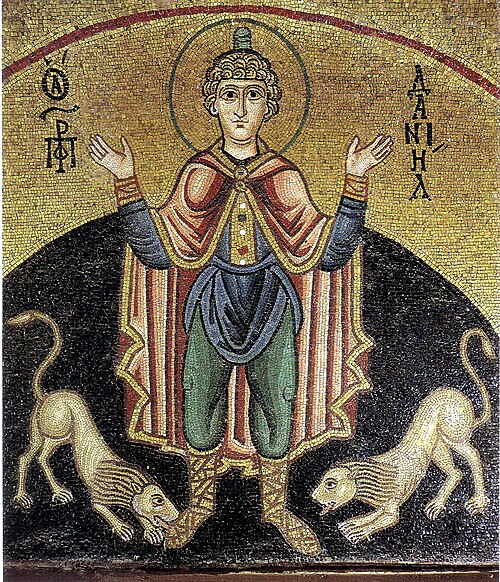
Osios Loukas monastery (Greece) Daniel in the lions’ den. Mosaic XII century
Daniel 6 is the fifth of six Aramaic chapters arranged in a chiastic structure (chapters 2–7), whereby parallel events are found in chapters 2 and 7, chapters 3 and 6, and chapters 4 and 5. The chapter recounts Daniel’s refusal to obey a law to pray to Darius, the Median King who appears at the end of Dan 5. Daniel is thrown into the lions’ den for defying the order, but God rescues him. Daniel’s deliverance and his example of faithfulness stand alongside those of Shadrach, Meshach, and Abednego (chapter 3). The chapter concludes with a summarizing doxology by Darius, who praises the God of Israel for his superiority.
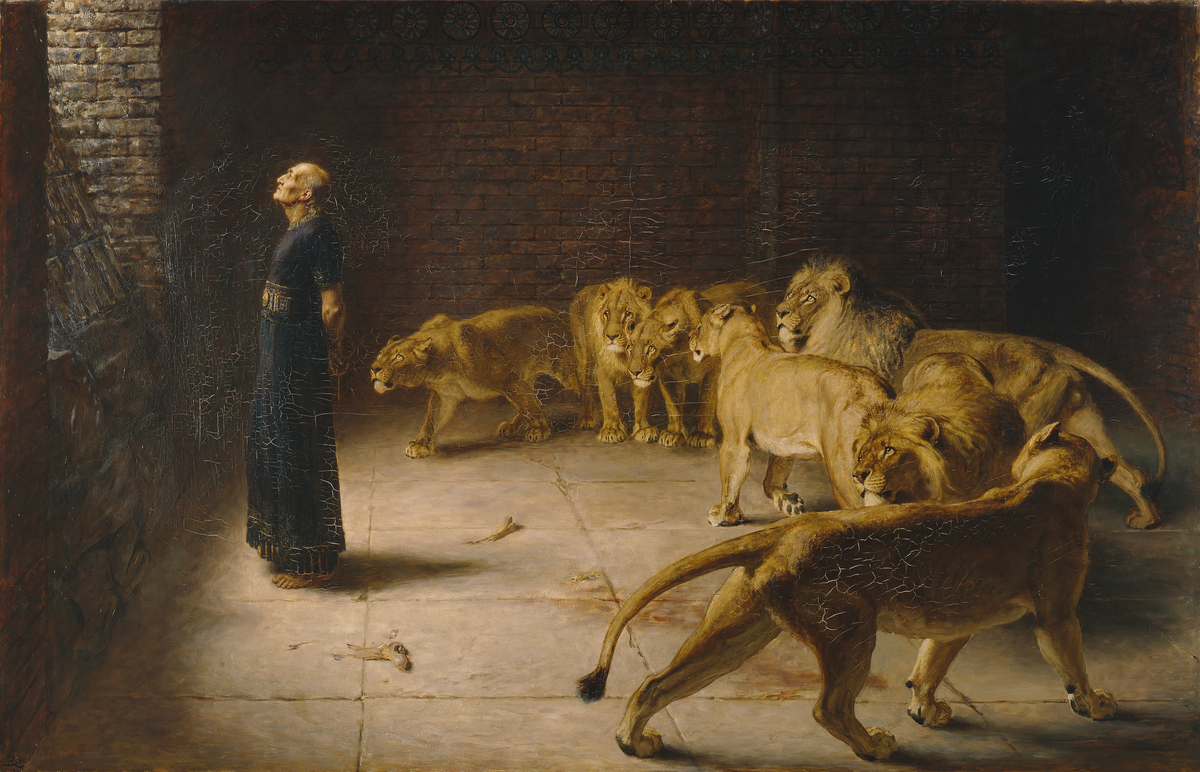
B. Riviere; Daniel’s Answer to the King (1892); Manchester Art Gallery
30.1 God’s People in Exile and God’s Eternal Kingdom. Daniel’s Activities
in Exile (Dan 1–6).
God’s People in Exile and God’s Eternal Kingdom
Daniel’s Activities in Exile (Dan 1–6)
Daniel in the Lions’ Den (6:1–28)
The second major division of Daniel is a series of apocalyptic visions that reveal the future for Daniel’s people. The first vision (chapter 7) concludes the chiastic Aramaic portion of the book (chapter 2–7) with a vision that parallels Nebuchadnezzar’s dream of four earthly kingdoms superseded by a fifth eternal kingdom (chapter 2). This vision also establishes the theme of suffering for God’s people in the Hebrew apocalyptic visions (chapter 8–12). Each successive vision narrows the focus from the cosmic scope of chapter 7 to very localized descriptions of the Jerusalem temple’s destruction. The book concludes with the promise of resurrection for God’s faithful people.
Daniel’s Vision of the Four Beasts (7:1–28)
Daniel 7 is the first apocalyptic chapter in the book (chapters 7–12), but it is the last of six Aramaic chapters arranged in a chiastic structure (chapters 2–7), whereby parallel events are found in chapters 2 and 7, chapters 3 and 6, and chapters 4 and 5. It follows chapter 6 (Darius) but its events occur in the earlier time frame of chapter 5 (Belshazzar; 7:1). In his vision, Daniel sees four beasts rise from the sea, the throne room of God, and the bestowal of the eternal Kingdom on a human figure. In the chiastic structure, the chapter’s portrayal of four human Kingdoms superseded by a fifth eternal Kingdom is parallel to Nebuchadnezzar’s statue dream (chapter 2). Its cosmic vision of the future is further developed in the three apocalyptic visions that follow.
Daniel’s Vision of the Ram and the Male Goat (8:1–27)
Daniel 8 marks the book’s return to Hebrew after six chapters of Aramaic. It is the second apocalyptic vision Daniel receives during the reign of Belshazzar (chapter 5). Both of Daniel’s visions have angelic interpreters, and both feature animals representing human Kingdoms. Daniel 7 had four animals/Kingdoms, a cosmic look at world events, but Dan 8 narrows its focus to two animals/Kingdoms: Medo-Persia (the ram) and Greece (the goat). As in Dan 7, one animal (goat) has a little horn that overtakes the vision and represents the oppression of God’s people. This oppression will also be the topic of Daniel’s vision (chapter 9).
Daniel Prays and Receives a Vision About the Future of Israel and Her People (9:1–27)
Daniel 9 is set during the time frame of chapters 5–6 (Darius) and begins with Daniel’s meditation on writings of Jeremiah about Israel’s time of exile. This reflection prompts a lengthy confessional prayer on behalf of Daniel’s people, which in turn brings Gabriel with a message from God. The message is that the prophesied seventy years of exile were just the beginning of a larger “seventy weeks” of exile for God’s people. These seventy weeks will include the destruction of Jerusalem and its temple, a theme continued in the book’s final vision (chapters 10–12).
Daniel Is Alerted to a Cosmic Battle in a Vision (10:1–12:13)
Daniel 10–12 includes the book’s final apocalyptic vision and concludes the book. It provides further detail on the oppression of God’s people depicted in earlier visions. The section recounts Daniel’s vision of a divine messenger (chapter 10), the messenger’s revelation of future conflict between the Kings of the north and the south (chapter 11), the promise of judgment and reward (chapter 12), and the command that Daniel seal up the vision for a future time (chapter 12). Its revelation of conflict surrounding God’s people and his holy city is the culmination of the visions in Dan 7–12.
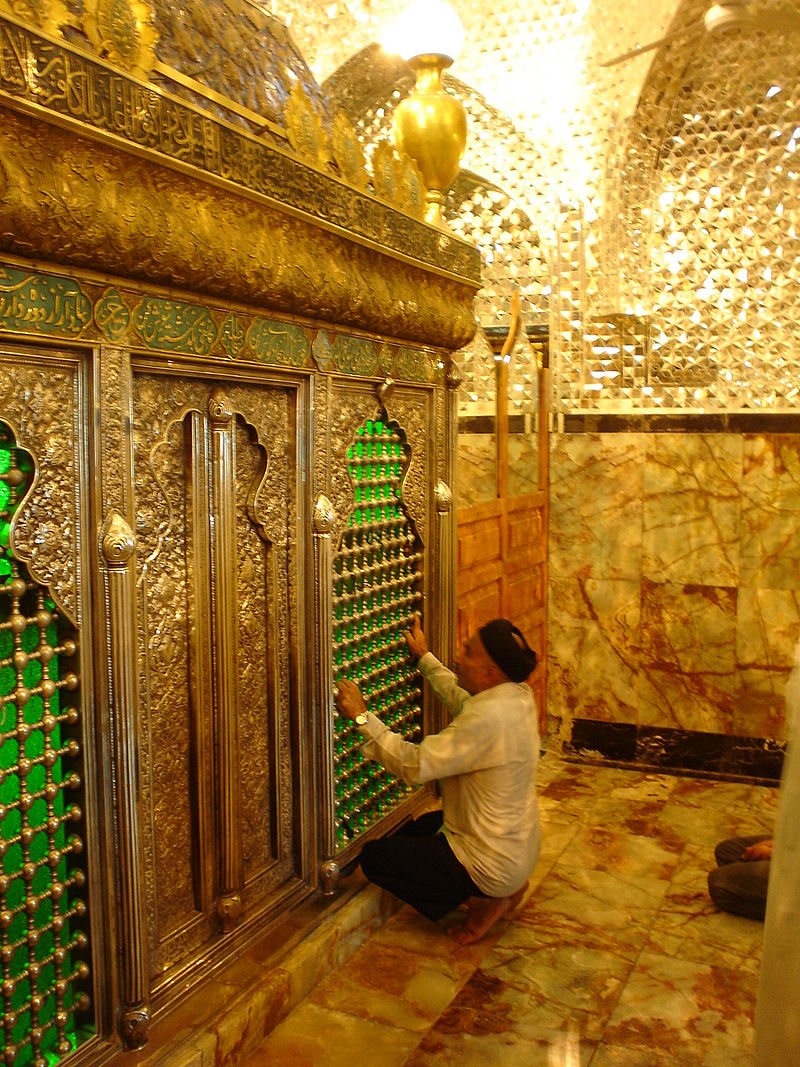
Tomb of Daniel in Susa (Iran)
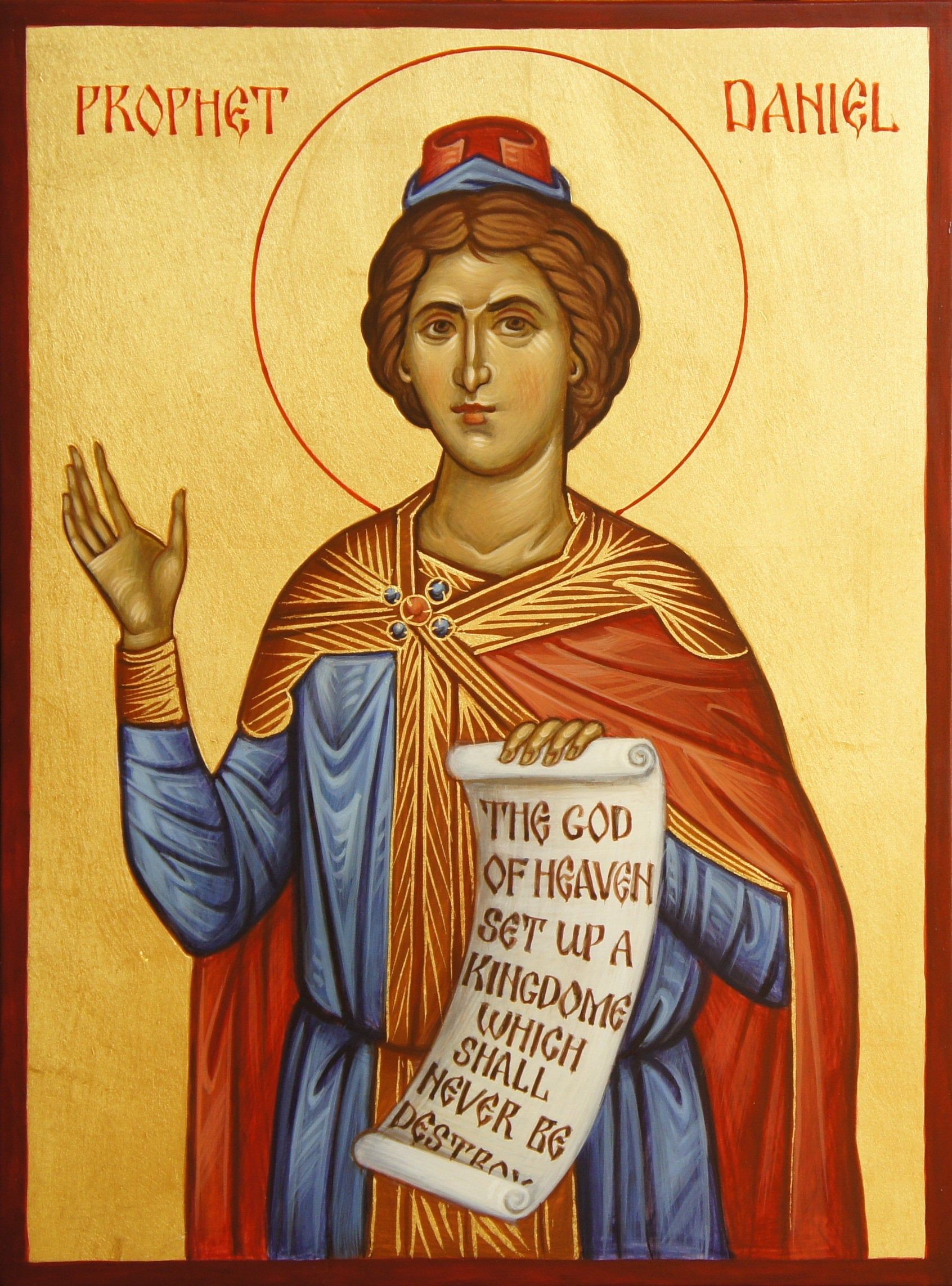
The Book of Daniel stands as a unique pillar in the Old Testament, bridging the historical and the apocalyptic. For the Orthodox Church, Daniel is far more than a tale of heroic faith in exile; it is a prophetic icon of God’s sovereign rule over history and a detailed revelation of the coming Messiah. Its visions and narratives are fundamentally Christ-centered, providing the framework for understanding Christ’s divine identity, His victory over evil, and the establishment of His everlasting Kingdom.
1. The Stone Cut Without Hands: The Messianic Kingdom
In King Nebuchadnezzar’s dream, a great statue representing successive earthly Kingdoms is destroyed not by another empire, but by a supernatural stone.
-
The Text: “You watched while a stone was cut out without hands, which struck the image on its feet of iron and clay, and broke them in pieces… and the stone that struck the image became a great mountain and filled the whole earth.” (Daniel 2:34-35, NKJV).
-
Christological Fulfillment: The Fathers, such as St. Hippolytus of Rome in his Commentary on Daniel , unanimously identify this “stone” as Jesus Christ. He is “cut out without hands,” signifying His virgin birth, His divine, uncreated origin. He strikes the statue at its feet—the final, fragile stage of human empire—destroying all earthly Kingdoms and establishing His own.
-
Liturgical Understanding: This prophecy is read at the Feast of the Nativity of Christ. The hymnography for the feast proclaims: “Christ is born, the stone that was cut without hands from the unseen mountain of the Virgin.” The “mountain” that fills the earth is the Catholic (Universal) Church , the visible manifestation of Christ’s Kingdom on earth, which will never be destroyed (Daniel 2:44).
2. The Son of Man: The Divine Judge and King
Daniel’s vision of the “Ancient of Days” and the “Son of Man” is the most explicit Old Testament revelation of the Messiah’s divinity and eternal authority.
-
The Text: “I was watching in the night visions, And behold,One like the Son of Man, Coming with the clouds of heaven! He came to the Ancient of Days, And they brought Him near before Him. Then to Him was given dominion and glory and a Kingdom, That all peoples, nations, and languages should serve Him. His dominion is an everlasting dominion, which shall not pass away, And His Kingdom the one which shall not be destroyed.” (Daniel 7:13-14, NKJV).
-
New Testament Fulfillment: Jesus Christ directly applied this title to Himself. Before the Sanhedrin, when asked if He was the Christ, He said, “I am. And you will see the Son of Man sitting at the right hand of the Power, and coming with the clouds of heaven.” (Mark 14:62). This claim to divine authority was understood by the high priest as blasphemy, confirming that Jesus was identifying Himself as the divine figure from Daniel’s vision.
-
Ascetical Understanding: The “Son of Man” is the model of deified humanity. As we struggle in the “beastly” world of passions (represented by the four beasts in Daniel 7), our hope is to be conformed to the image of the “Son of Man.” Through asceticism and the sacraments, we are united to Christ, so that we too may share in His glorious, redeemed humanity and inherit the everlasting Kingdom.
3. The Seventy Weeks: The Timeline for the Messiah
The prophecy of the Seventy Weeks provides a stunningly precise timeline for the coming of the Messiah and His redemptive work.
-
The Text: “Know therefore and understand,That from the going forth of the command to restore and build Jerusalem Until the Messiah, the Prince, There shall be seven weeks and sixty-two weeks… And after the sixty-two weeks Messiah shall be cut off, but not for Himself… Then he shall confirm a covenant with many for one week; But in the middle of the week He shall bring an end to sacrifice and offering.” (Daniel 9:25-27, NKJV).
-
Christological Fulfillment: The Fathers (e.g., St. Julius Africanus, St. Eusebius) saw this as a clear prophecy of Christ. “Messiah the Prince” is Jesus at His triumphal entry into Jerusalem. He was “cut off, but not for Himself” in His atoning death on the Cross. By His death, He “brought an end to sacrifice and offering” of the Old Covenant, establishing the New Covenant in His blood, sealed for “many” in the Eucharist.
-
Ascetical Understanding: This prophecy teaches that God is the Lord of history and time. Our ascetical life is lived within the “kairos” (decisive time) of salvation that Christ inaugurated. The fasts, feasts, and cycles of the Church’s year are our participation in this divine timeline, orienting our lives toward the culmination of Christ’s kingdom.
4. The Three Holy Youths: A Type of Christ’s Death and Resurrection
The story of Shadrach, Meshach, and Abed-Nego in the fiery furnace is a powerful prototype of Christ’s descent into death and triumphant resurrection.
-
The Text: “Look!” he answered, “I see four men loose, walking in the midst of the fire; and they are not hurt, and the form of the fourth is like the Son of God.” (Daniel 3:25, NKJV).
-
Patristic and Liturgical Understanding: The Church Fathers see the “fourth man” as a pre-incarnate appearance of Christ , the Son of God, who descends into the “fire” of suffering and death alongside the faithful. He preserves them unharmed, trampling down the power of death. This is why the Song of the Three Holy Youths (Daniel 3:26-56, LXX) is a core part of the Canon of Matins and is sung during Great Lent. It is a song of victory from within the “furnace” of repentance, proclaiming that Christ is with us in our trials.
-
Ascetical Understanding: The furnace represents the purifying fire of ascetical struggle. When we faithfully endure trials, temptations, and the “fire” of repentance, we are not alone. Christ is in the midst of us, preserving us and transforming our suffering into a means of sanctification. The story calls for unwavering faith and courage in the face of a world that demands compromise.
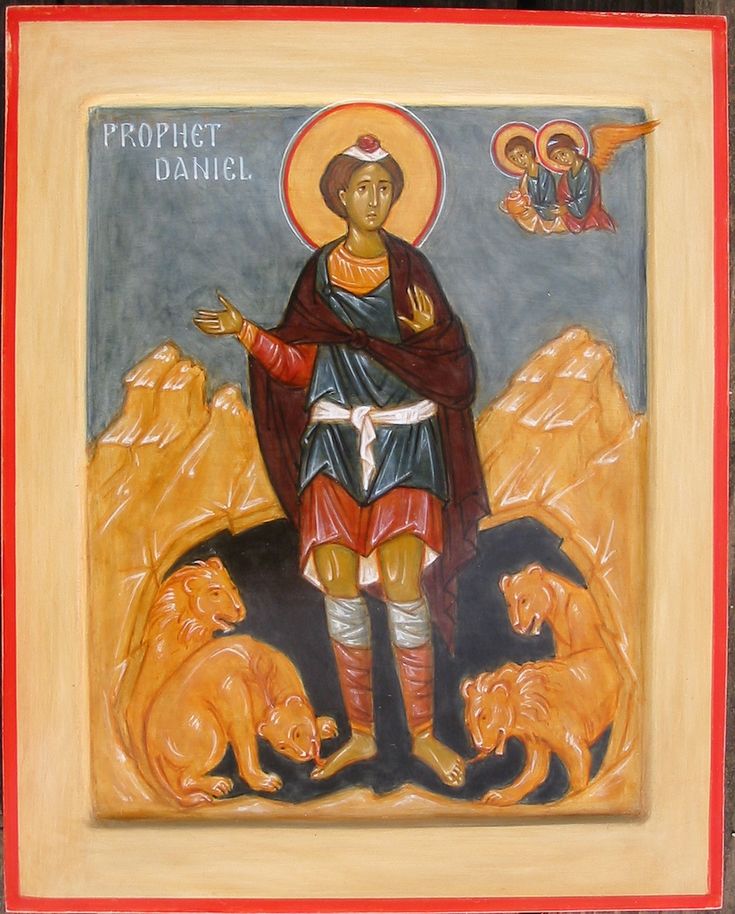
5. Daniel in the Lions’ Den: The Conquest of Death
The narrative of Daniel in the lions’ den is a clear type of Christ’s Harrowing of Hades.
-
The Text: “My God sent His angel and shut the lions’ mouths, so that they have not hurt me, because I was found innocent before Him…” (Daniel 6:22, NKJV).
-
Christological Interpretation: Daniel, the righteous man, is cast into the pit of death (the lions’ den) and a stone is sealed over it (Daniel 6:17). Yet, God delivers him alive at dawn. This prefigures Christ’s descent into Hades. Christ, the truly innocent One, was sealed in the tomb, but He conquered death, “shutting the mouths” of the spiritual lions (the demons), and rose victorious at dawn, leading the captives to freedom.
-
Liturgical Understanding: The icon of the Resurrection in Orthodoxy often depicts Christ standing on the broken gates of Hades, pulling Adam and Eve from their tombs. This is the fulfillment of Daniel’s deliverance. The story is read in the Church as a testament to the power of God to save those who are faithful unto death.
Conclusion: Daniel as a Christ-Centered Book
The Book of Daniel is fundamentally Christ-centered because it reveals:
-
Christ the King, the Stone who shatters earthly kingdoms and establishes the eternal Church.
-
Christ the Judge, the Son of Man coming in glory with the clouds of heaven.
-
Christ the Sacrifice, the Messiah who is “cut off” at the appointed time to end the Old Covenant sacrifices.
-
Christ the Divine Companion, who walks with the faithful in the fire of trial and the den of death.
-
Christ the Victor, who conquers the beasts of passion and the lion of Hades itself.
Daniel provides the apocalyptic key to understanding the person and work of Jesus Christ. It shows that the struggle between the saints and the world empires is ultimately resolved by the intervention of the Son of God, who receives all authority and invites His faithful ones to inherit the everlasting kingdom.
30.2 Daniel’s Apocalyptic Visions (Dan 7–12)
Daniel’s Vision of the Four Beasts (7:1–28)
Daniel’s Vision of the Ram and the Male Goat (8:1–27)
Tomb of Daniel in Susa (Iran)
30.1 God’s People in Exile and God’s Eternal Kingdom. Daniel’s Activities
in Exile (Dan 1–6).
God’s People in Exile and God’s Eternal Kingdom
Daniel’s Activities in Exile (Dan 1–6)
Daniel in the Lions’ Den (6:1–28)
- God’s People in Exile and God’s Eternal Kingdom. Daniel’s Activities in Exile (Dan 1–6).
- Daniel’s Apocalyptic Visions (Dan 7–12)
-
An Orthodox Insight into the Book of the Prophet Daniel
-
30.1 God’s People in Exile and God’s Eternal Kingdom. Daniel’s Activities in Exile (Dan 1–6).
-
30.2 Daniel’s Apocalyptic Visions (Dan 7–12)
-
30.3 An Orthodox Insight into the Book of the Prophet Daniel
-
God’s People in Exile and God’s Eternal Kingdom. Daniel’s Activities in Exile (Dan 1–6).
- Daniel’s Apocalyptic Visions (Dan 7–12)
Related Concepts
- ancient-of-days
- angelic-interpreters
- antichrist-typology
- assumption-of-human-nature
- beasts-as-passions
- bilingual-composition
- catholic-church
- chiasm-of-chapters-45
- chiastic-structure
- christ-centered-exegesis
- christ-in-the-furnace
- christ-the-judge
- christ-the-sacrifice
- christ-the-victor
- cosmic-battle
- daniel
- daniel-244
- danielic-imagery
- death-and-resurrection
- descent-into-hell
- destruction-of-the-temple
- divine-judge-and-king
- divine-judgment
- eternal-kingdom
- eternal-kingdom-of-god
- faithfulness-of-gods-servants
- fiery-furnace
- four-beasts
- genesis-35
- great-lent
- hadessheol
- hebrewaramaic-bilingual-composition
- holy-saturday
- ii-baruch
- iv-ezra
- jonah-2
- judgment
- judgment-and-reward
- kairos
- kairos-decisive-time
- literary-structure-of-daniel
- little-horn
- liturgical-reading
- liturgical-year
- mark-1462
- medo-persia-and-greece
- messiah-the-prince
- messianic-prophecy
- most-high-god
- nativity-of-christ
- partakers-of-god
- patristic-exegesis
- positive-dimension
- prophetic-icon
- resurrection
- resurrection-icon
- revelation
- second-adam
- second-coming
- seventy-weeks
- song-of-the-three-holy-youths
- stone-cut-without-hands
- suffering-as-sanctification
- suffering-of-gods-people
- superiority-of-israels-god
- the-catholic-universal-church
- throne-room-vision
- virgin-birth