Old Testament — Topic 24
PROVERBS
Outline
1:1–9:18 Epilogue of Proverbs: Lectures from Father to Son
1:1–7 Title With Preamble
1:8–8:36 Prologue of Proverbs: Preparatory Lecture to His Sons from Father to Son
9:1–18 Epilogue to Proverbs Prologue: The Ways of Wisdom and Folly
10:1–22:16 First Collection of Assorted Proverbs of Solomon
22:17–24:34 Thirty Words of the Wise, Plus More Words of the Wise
22:17–24:22 Thirty Words of the Wise
24:23–34 More Words of the Wise
25:1–29:27 Second Collection of Assorted Proverbs of Solomon Copied by the Men of King Hezekiah
30:1–33 The Oracular Words of Agur Son of Jakeh
30:1–6 Humanity’s Finite Understanding
30:7–33 Assorted Proverbs and Instructions from Agur
31:1–31 An Oracle Taught to King Lemuel by His Mother About Kings and Women
31:1–9 Warnings to King Lemuel from His Mother
31:10–31 The Woman Who Fears the Lord Will Be Praised
Wisdom Versus Folly
Among the different genres of the Hebrew Bible, wisdom literature serves an important role. The three main sections of the Hebrew Bible include the Law, the Prophets, and the Writings. Within the Writings, books that are typically included in the wisdom literature are Psalms, Proverbs, Ecclesiastes, the Song of Solomon, and Job, though not every psalm might fall into the category of wisdom literature. There is a sense in which wisdom literature addresses the gap between the law, the express commands God gives to his people, and life. The law is expansive, but no amount of legislation can address every conceivable question or circumstance in life. Thus, when the law leaves no signposts at a fork in the road, wisdom gives readers a compass to find their way. The bulk of Proverbs is traditionally attributed to King Solomon (1:1), though it is possible that an inspired editor included the wisdom sayings of others, such as the Thirty Words of the Wise (22:17–24:22), King Agur (30:7–33), and the mother of King Lemuel (31:1–9). The overarching theme of the book is to contrast the way of wisdom, ultimately a fear of the Lord, with the way of the fool (1:7).
Epilogue of Proverbs: Lectures from Father to Son (1:1–9:18)
The first division includes the title with preamble (1:1–7), the prologue (1:8–8:36), and the epilogue (9:1–18). This first division consists of wise counsel from Solomon to his son (1:8). The closing verse of the preamble indicates that the chief purpose of the book is to teach the fear of the Lord (1:7). The ensuing counsel covers warnings against robbery and thievery (1:20–33), avoiding evil (2:1–22), trusting God (3:1–12), the virtue of wisdom (3:13–35), steering clear of the path of the wicked (4:1–27), the evils of adultery (5:1–23; 6:24–35; 7:1–27), the importance of hard work (6:1–19), and the source of wisdom, God (8:1–36). The epilogue contrasts the way of wisdom with folly.
Title With Preamble (1:1–7)
The opening seven verses identify Solomon, son of David, King of Israel as the book’s author, though later inspired editors may have included the wisdom sayings of others. The book’s opening sets the initial stage in terms of a father passing on the inheritance of wisdom to his son. But as 1:8 indicates, the book is for all of God’s people, given that the instruction in wisdom comes both from father and mother. Only through wisdom may the simpleminded learn righteousness, justice, and equity (1:3). The closing verse of the preamble reveals the chief purpose of the book, namely, to teach the fear of the Lord (1:7).
Prologue of Proverbs: Preparatory Lecture to His Sons from Father to Son (1:8–8:36)
The prologue of Proverbs consists of passing a father’s wisdom to his son, contrasting wisdom and folly as they relate to a number of different situations in life: a warning against the allure of easy money through robbery and murder (1:8–19), the call of wisdom to the simpleminded (1:20–33), the value of wisdom for walking in righteousness and avoiding evil (2:1–22), the importance of trusting in God with all of one’s heart (3:1–12), wisdom as a fertile tree of life (3:13–35), clinging to a father’s wisdom to keep one away from the path of the wicked (4:1–27), a warning against adultery (5:1–23, 6:24–35, 7:1–27), and admonitions about the need to work hard (6:1–19). The father wants his son to know, however, that the wisdom that he passes on is not merely his own, but ultimately comes from God and is the wisdom that God used to create the world (8:1–36). The implication is that God’s wisdom is ingrained in the creation.
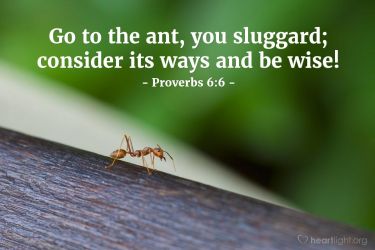
Epilogue to Proverbs Prologue: The Ways of Wisdom and Folly (9:1–18)
The opening prologue of a father’s wisdom passed on to his son concludes with an epilogue that contrasts the ways of wisdom versus folly. The father personifies wisdom and folly as two very different women. Wisdom labors diligently, prepares her home, manages her servants, and beckons the simpleminded to eat of her bread. Such conduct ultimately reveals a fear of the Lord, knowledge of and insight into the Holy One of Israel (9:10). Folly, by contrast, is a loudmouthed seductress who seeks to entrap those who amble by. She touts the sweetness of forbidden fruit. But the father warns his son that folly is merely death veiled in a garment of seduction and the appearance of beauty.
First Collection of Assorted Proverbs of Solomon (10:1–22:16)
The second division of Proverbs is a collection of wisdom sayings attributed to Solomon, which run for eleven chapters. Each of the proverbs is a short, aphoristic saying such as, “The memory of the righteous is a blessing, but the name of the wicked will rot” (10:7), or, “Even in laughter the heart may ache, and the end of joy may be grief” (13:13). Throughout the collection, the proverbs often continue to contrast the ways of wisdom and folly: “One who is wise is cautious turns away from evil, but a fool is reckless and careless” (13:16). But like the prologue (1:8), which consists of the counsel of a father and mother to their son, Solomon’s proverbs continue this theme: “A wise son makes a glad father, but a foolish son is a sorrow to his mother” (10:1).
Thirty Words of the Wise, Plus More Words of the Wise (22:17–24:34)
Solomon was part of an international community of sages, from which he undoubtedly drew wisdom (1 Kgs 4:29–34; 10:4; 2 Chr 9:22). This particular collection of Thirty Words of the Wise closely parallels the writings of Amenemope, an Egyptian sage who predated Solomon by three to five centuries. Solomon or another inspired editor also appended wisdom sayings to the Thirty Words of the Wise in the conclusion of chapter 24 (24:23–30). These sayings revolve around three key themes: conduct in a court of law (24:23–25, 28), one’s thought and consequent words (24:26, 29), and conduct in one’s labors (24:27, 30–34).
Thirty Words of the Wise (22:17–24:22)
Solomon was part of an international community of sages, from which he undoubtedly drew wisdom (1 Kgs 4:29–34; 10:4; 2 Chr 9:22). This particular collection of Thirty Words of the Wise closely parallels the writings of Amenemope, an Egyptian sage who predated Solomon by three to five centuries. Even though Solomon’s collection of the Thirty Words parallels the work of Amenemope, there are some important differences. Amenemope writes from within a pagan context, and Solomon writes within the context of the covenant with the Lord, the one true God, evident with the inclusio of “trust in the Lord” (22:19) and “fear the Lord” (24:22), sayings that bookend the Thirty Words.
More Words of the Wise (24:23–34)
Solomon or another inspired editor appended wisdom sayings to the Thirty Words of the Wise. There is the possibility that Solomon added these sayings, since he employed and modified the Thirty Words of the Wise for Israel (22:17–21).The sayings include counsel about judging in favor of the wicked (24:24), speaking truthfully (24:26), making suitable preparations for work (24:27), a warning against rashly going to court (24:28), and the deserts of the sluggard (24:30–34). These sayings revolve around three key themes: conduct in a court of law (24:23–25, 28), one’s thought and consequent words (24:26, 29), and comportment in one’s labors (24:27, 30–34).
Second Collection of Assorted Proverbs of Solomon Copied by the Men of King Hezekiah (25:1–29:27)
Chapters 25–29 constitute a second Solomonic collection recorded by the scribes of king Hezekiah (25:1). Within this section there are two subsections, 25:2–27:27 and 28:1–29:27. Contrasts mark the first subsection, such as: “It is the glory of God to conceal things, but the glory of kings is to search things out” (25:2), or, “Like cold water to a thirty soul, so is good news from a far country. Like a muddied spring or a polluted fountain is a righteous man who gives way before the wicked” (25:25–26). The second subsection focuses on ethics, such as: “The one who keeps the law is a son with understanding, but a companion of gluttons shames his father” (28:7).
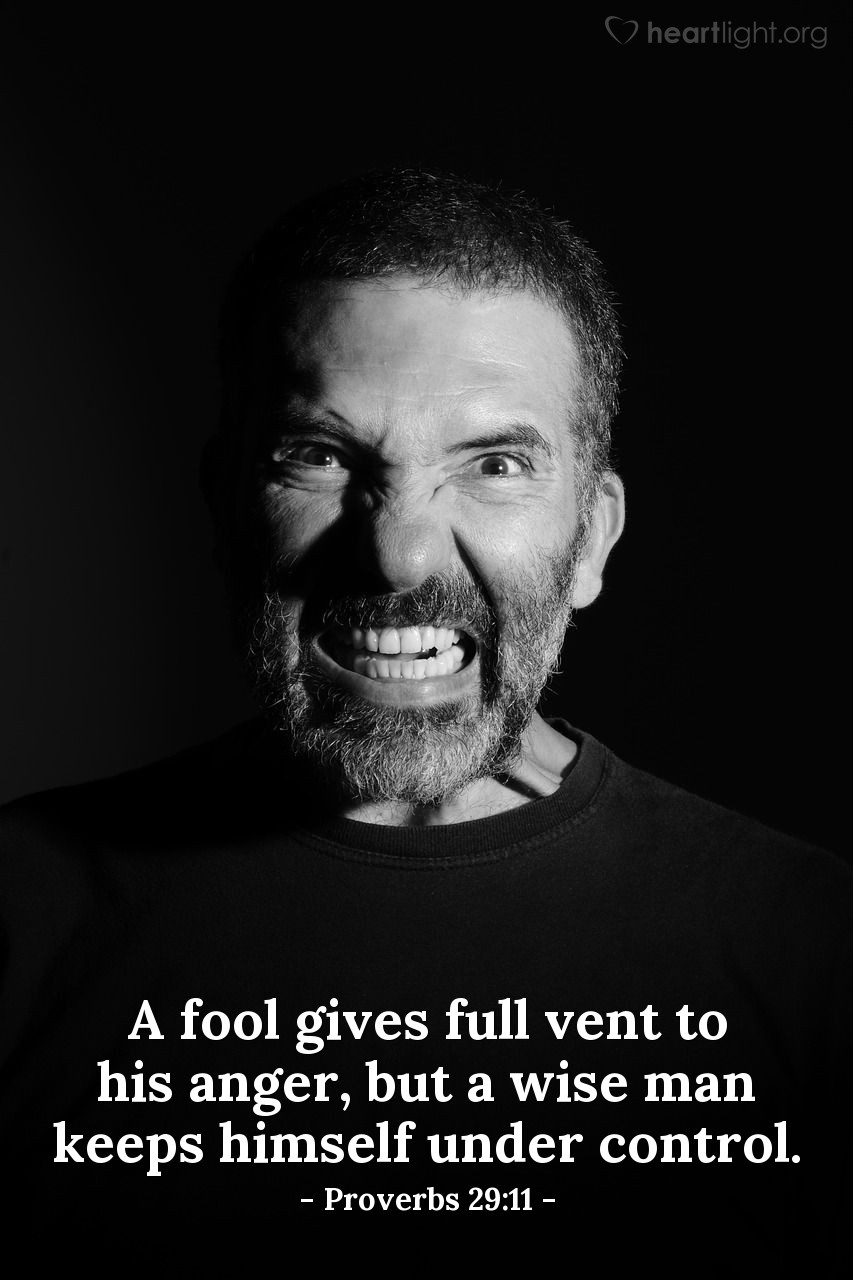
The Oracular Words of Agur Son of Jakeh (30:1–33)
This division begins the collection of sayings by Agur, son of Jakeh (30:1). These sayings echo refrains from other wisdom literature, such as God’s response to Job (Job 38–40) or the ending of Ecclesiastes: to “fear God and keep his commandments, for this is the whole duty of man” (Eccl 12:13). A chief theme of Agur’s proverbs is warnings to young men against disturbing the moral order, such as not mocking a father or scorning a mother (30:17). Agur also makes a number of observations that reveal God’s wisdom in the created order, such as on the activity of ants, badgers, and locusts (30:25–27).
Humanity’s Finite Understanding (30:1–6)
The first six verses of chapter 30 begin the collection of sayings by Agur, son of Jakeh (30:1). The chief theme of these six verses is humanity’s finite understanding of things. Agur laments, “Who has ascended to heaven and come down? Who has gathered the wind in his fists?” (30:4). By contrast, “Every word of God proves true; he is a shield to those who take refuge in him” (30:5). These sayings echo refrains from other wisdom literature, such as God’s response to Job (Job 38–40) or the ending of Ecclesiastes: to “fear God and keep his commandments, for this is the whole duty of man” (Eccl 12:13).
Assorted Proverbs and Instructions from Agur (30:7–33)
The second subsection of chapter 30 begins with an autobiography in 30:7–9, which is then followed by a series of numerical sayings: “Two things I ask of you; deny them not to me before I die” (30:7), and, “Three things are never satisfied; four never say, ‘Enough’” (30:15). A chief theme of Agur’s proverbs is warnings to young men against disturbing the moral order, such as not mocking a father or scorning a mother (30:17). Agur also makes a number of observations that reveal God’s wisdom in the created order, such as on the activity of ants, badgers, and locusts (30:25–27).
An Oracle Taught to King Lemuel by His Mother About Kings and Women (31:1–31)
This last division in Proverbs contains the sayings of King Lemuel, which indicates that his mother taught him the wisdom that follows (31:1). The ensuing verses contain warnings against giving one’s strength to women, wine, and foolish talk. By contrast, the virtuous wife is industrious and kind to her household servants, makes linen garments and sells them, and speaks wisdom when she opens her mouth. In terms of the structure, if Lemuel’s mother warned him against giving his strength to women (31:3), then she commends him to the love and care of one woman, she who is noble, virtuous, and fears the Lord.
Warnings to King Lemuel from His Mother (31:1–9)
The penultimate section of Proverbs contains the preface to the sayings of King Lemuel, which indicates that his mother taught him the wisdom that follows (31:1). The ensuing eight verses include warnings against giving one’s strength to women, wine, and foolish talk. Women can destroy kings, wine can make kings forget their decrees and thus pervert justice, and foolish talk prevents one from defending the rights of the poor and needy.
The Woman Who Fears the Lord Will Be Praised (31:10–31)
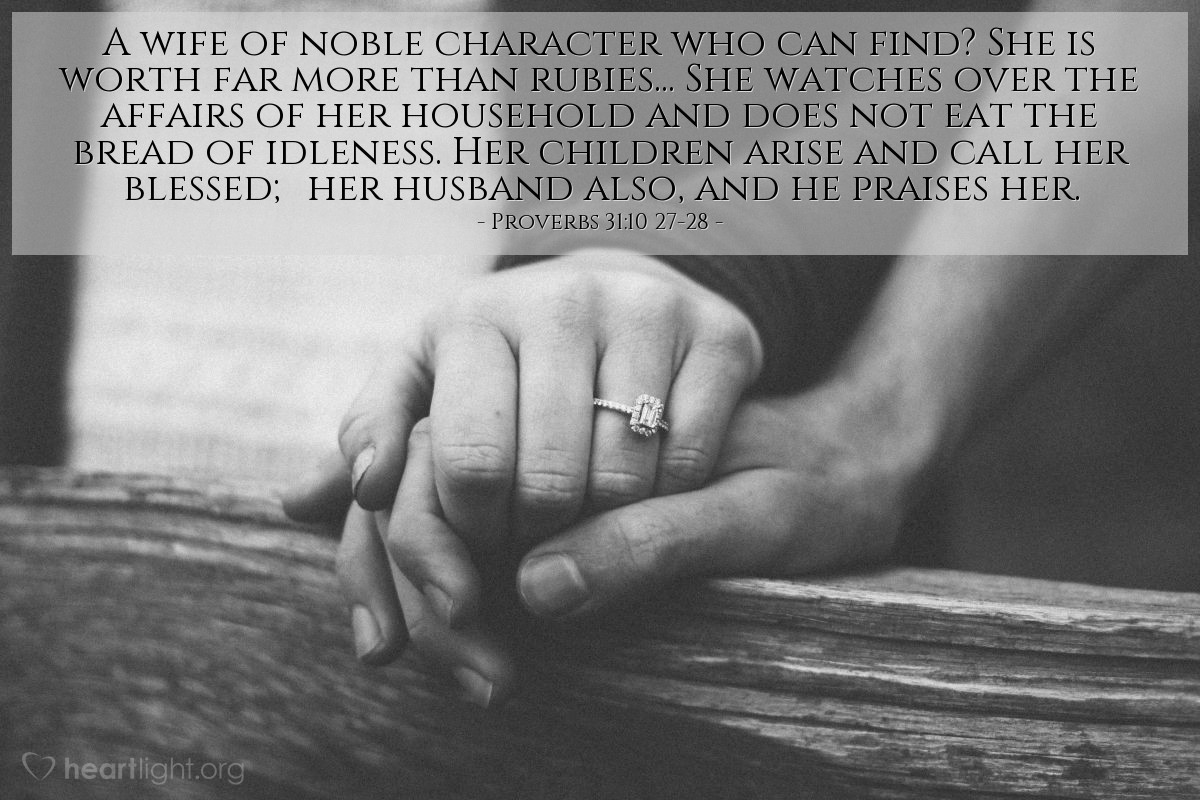
The last section of Proverbs continues the sayings from the mother of King Lemuel and focus on the theme of the excellent wife, the one who embodies wisdom (31:31). The virtuous wife is industrious and “works with willing hands,” is kind to her household servants, makes linen garments and sells them, and speaks wisdom when she opens her mouth. In terms of the structure, if Lemuel’s mother warned him against giving his strength to women (31:3), then she commends him to the love and care of one woman, she who is noble, virtuous, and fears the Lord.
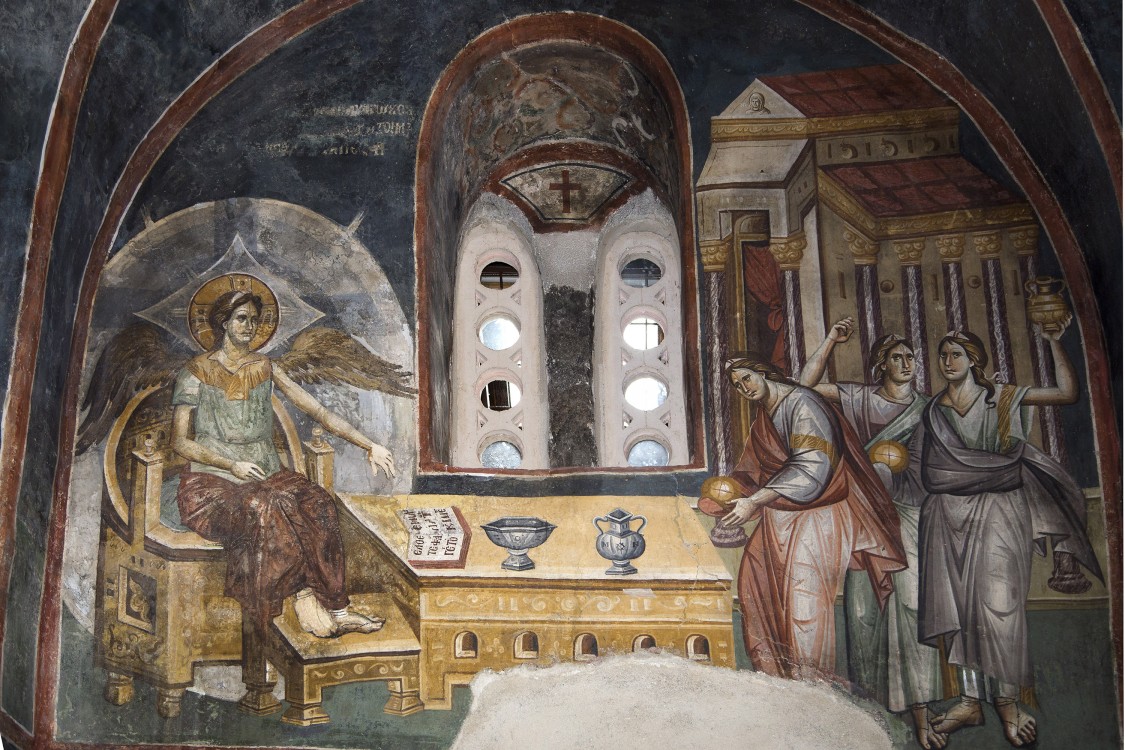
“Wisdom has built her house.” The fresco of the narthex. Church of St. Clement of Ohrid, Ohrid (North Macedonia). XIII c.
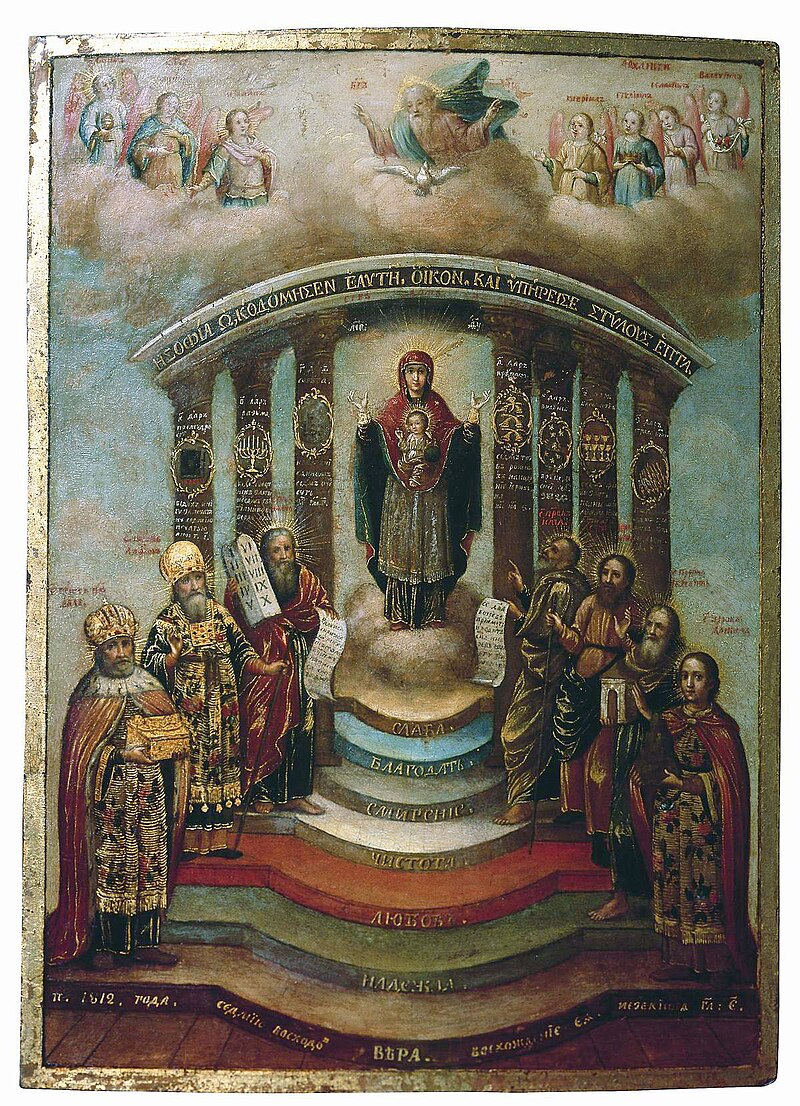
The Book of Proverbs, often approached as a collection of moral maxims, is revealed in the light of Christ as a deep theological and cosmological treatise. For the Orthodox Church, Proverbs is fundamentally about Holy Wisdom (Hagia Sophia) , who is none other than the pre-incarnate Logos, our Lord Jesus Christ. The book is not merely about good advice; it is a revelation of the Mind of God through which all things were made and by which all things are redeemed and rightly ordered.
1. The Central Figure: Wisdom Personified as Christ
The theological heart of Proverbs is the majestic personification of Wisdom in chapters 8 and 9. This is not a poetic abstraction but a direct revelation of the Second Person of the Holy Trinity.
-
The Eternity and Co-Creation of Wisdom:
-
Text: “The LORD possessed me at the beginning of His way, Before His works of old. I have been established from everlasting, From the beginning, before there was ever an earth… When He prepared the heavens, I was there… Then I was beside Him as a master craftsman; And I was daily His delight, Rejoicing always before Him.” (Proverbs 8:22-23, 27, 30 NKJV).
-
Christological Fulfillment: The Church Fathers unanimously identified this “Wisdom” as Christ. St. Athanasius the Great, in his debates with the Arians, used this very passage to prove the eternal generation of the Son from the Father. Wisdom is not a created being but was “possessed” or “begotten” before all ages. The title “master craftsman” (harmozousa in the Septuagint) directly parallels the New Testament: “All things were made through Him, and without Him nothing was made that was made” (John 1:3) and “in whom are hidden all the treasures of wisdom and knowledge” (Colossians 2:3). That is why in the the Symbol of Faith of Orthodox Christians (Nicene Creed) we profess and proclaim the following truth: I believe… And in one Lord Jesus Christ, the Son of God, the Only-begotten, Begotten of the Father before all ages,… by whom all things were made;
-
Liturgical Understanding: This passage is central to the Church’s understanding of Christ. It is read on the Feast of the Nativity of the Theotokos and other major feasts, linking the eternal Wisdom of God to His incarnation through the Most Holy Theotokos, Who becomes the living throne of Wisdom.
-
-
Wisdom’s Call and Self-Revelation:
-
Text: “I, wisdom, dwell with prudence, And find out knowledge and discretion… The LORD created me as the beginning of His ways, for His works. He established me before the ages…Does not wisdom cry out, And understanding lift up her voice?… “To you, O men, I call, And my voice is to the sons of men.” (Proverbs 8:12, 22-23, 1:20, 8:4 NKJV).
-
New Testament Parallel: Christ is the fulfillment of this calling Wisdom. He is the Word who “became flesh and dwelt among us” (John 1:14), publicly teaching and crying out, “If anyone thirsts, let him come to Me and drink” (John 7:37). He is the embodiment of the Father’s knowledge and discretion.
-
2. The “I AM” Statements of Christ Foreshadowed in Proverbs
Proverbs contains powerful declarations by Wisdom that prefigure the “I AM” statements of Christ in the Gospel of John.
-
The Tree of Life:
-
Text: “[Wisdom] is a tree of life to those who take hold of her, And happy are all who retain her.” (Proverbs 3:18 NKJV).
-
Christological Fulfillment: Christ is the true Tree of Life, whose Cross becomes the new, life-giving Tree. He offers Himself as the fruit that grants eternal life: “I am the bread of life… the bread that I shall give is My flesh, which I shall give for the life of the world” (John 6:48, 51). The Eucharist is the fruit from this Tree.
-
Ascetical Understanding: The soul “takes hold” of this Tree through faith and the ascetical life—through prayer, repentance, and participation in the Holy Mysteries. To “retain her” is to practice steadfastness in the Christian struggle.
-
-
The Light of Life:
-
Text: “For the commandment is a lamp, and the law a light; Reproofs of instruction are the way of life.” (Proverbs 6:23 NKJV).
-
Christological Fulfillment: The Law and the Prophets were a lamp pointing forward to the true Light. Christ declares, “I am the light of the world. He who follows Me shall not walk in darkness, but have the light of life” (John 8:12). He is the ultimate “reproof of instruction” who guides us on the “way of life.”
-
3. The Two Ways: The Path of Wisdom vs. The Path of Folly
The entire structure of Proverbs presents a fundamental choice between two paths, which is the foundational paradigm of the spiritual life.
-
Wisdom as Christ, Folly as the World and the Passions:
-
Text: Proverbs 9 presents a powerful contrast between Wisdom , who has “built her house… she has hewn out her seven pillars” and slain her beasts and mixed her wine, inviting all to her feast (Proverbs 9:1-5); and “a foolish woman,” who is clamorous, seductive, and also invites passersby, but to stolen bread and the chambers of death (Proverbs 9:13-18).
-
Patristic and Ascetical Understanding: The Holy Fathers see this as the choice between Christ and the devil.
-
Wisdom’s House is the Holy Church , built on the seven pillars of the Seven Ecumenical Councils (or the seven sacraments). The slaughtered beasts and mixed wine are the Holy Eucharist , the sacrifice of Christ that gives life.
-
The foolish woman represents the world, heresy, and the passions. Her “stolen water” is false doctrine and illicit pleasure, which leads to spiritual death.
-
-
Liturgical Fulfillment: This dichotomy is lived out in the Church. The Divine Liturgy is the fulfillment of Wisdom’s banquet. The faithful are called to “lay aside all earthly care” to receive the King of all, who is Wisdom Himself.
-
4. The Ascetical Understanding: Acquiring the Mind of Christ
The Book of Proverbs is a primary ascetical manual for acquiring the “mind of Christ” (1 Corinthians 2:16).
-
The Fear of the Lord: The book’s motto, “The fear of the LORD is the beginning of knowledge” (Proverbs 1:7), is the starting point of the spiritual life. This “fear” is not terror but awe, reverence, and the conscious awareness of living constantly in the presence of God. It is the antidote to pride, the root of all sin.
-
Guarding the Heart: “Keep your heart with all diligence, For out of it spring the issues of life.” (Proverbs 4:23 NKJV). This is the core of Orthodox asceticism. The “heart” (kardia) is the deep self, the nexus of intellect and spirit. The entire ascetical struggle—fasting, prayer, watchfulness (nepsis)—is aimed at guarding this heart from the passions (folly) so that it can become a pure vessel for the indwelling of Divine Wisdom.
-
The Practical Virtues: The countless proverbs about honesty, hard work, sexual purity, and controlling the tongue are not mere social ethics. They are the practical, daily means of purifying the soul and making it a fit dwelling for Wisdom. To live according to the Proverbs is to begin to live according to the commandments of Christ.
Conclusion: Christ, the Wisdom and Power of God
The Book of Proverbs finds its ultimate meaning and fulfillment in the Paschal Mystery. The One who is the eternal “master craftsman” (Proverbs 8:30) of the universe, through whom all things were made, Himself entered into His creation. The Wisdom of God, whom the world deemed foolishness, became the ultimate “foolishness” of the Cross to save those who believe (1 Cor. 1:18-24). Thus, the Book of Proverbs is a profoundly Christ-centered book. It reveals Christ as the eternal, divine Wisdom, the creator and sustainer of all. It presents Him as the host of the great Eucharistic banquet and the ultimate path of life. And it provides the ascetical map for every soul to purify its heart, to fear the Lord, and to acquire the mind of Christ, who is the Wisdom and Power of God.
“Wisdom has built her house,” is one of the Russian iconographic images of the Blessed Virgin Mary
24.1 Wisdom Versus Folly
PROVERBS
Outline
1:1–9:18 Epilogue of Proverbs: Lectures from Father to Son
1:1–7 Title With Preamble
10:1–22:16 First Collection of Assorted Proverbs of Solomon
22:17–24:22 Thirty Words of the Wise
24:23–34 More Words of the Wise
30:1–33 The Oracular Words of Agur Son of Jakeh
30:1–6 Humanity’s Finite Understanding
30:7–33 Assorted Proverbs and Instructions from Agur
31:1–9 Warnings to King Lemuel from His Mother
31:10–31 The Woman Who Fears the Lord Will Be Praised
Wisdom Versus Folly
Title With Preamble (1:1–7)
Thirty Words of the Wise (22:17–24:22)
More Words of the Wise (24:23–34)
The Oracular Words of Agur Son of Jakeh (30:1–33)
Humanity’s Finite Understanding (30:1–6)
Assorted Proverbs and Instructions from Agur (30:7–33)
Warnings to King Lemuel from His Mother (31:1–9)
The Woman Who Fears the Lord Will Be Praised (31:10–31)
24.2 An Orthodox Insight into the Book of Proverbs: The Icon of Divine
Wisdom
1. The Central Figure: Wisdom Personified as Christ
-
The Eternity and Co-Creation of Wisdom:
-
Wisdom’s Call and Self-Revelation:
2. The “I AM” Statements of Christ Foreshadowed in Proverbs
-
The Tree of Life:
-
The Light of Life:
3. The Two Ways: The Path of Wisdom vs. The Path of Folly
4. The Ascetical Understanding: Acquiring the Mind of Christ
Conclusion: Christ, the Wisdom and Power of God
- Wisdom Versus Folly
-
An Orthodox Insight into the Book of Proverbs: The Icon of Divine Wisdom
-
- 24.1 Wisdom Versus Folly
- 24.2 An Orthodox Insight into the Book of Proverbs: The Icon of Divine Wisdom
24.1 Wisdom Versus Folly
PROVERBS
Outline
1:1–9:18 Epilogue of Proverbs: Lectures from Father to Son
1:1–7 Title With Preamble
10:1–22:16 First Collection of Assorted Proverbs of Solomon
22:17–24:22 Thirty Words of the Wise
24:23–34 More Words of the Wise
30:1–33 The Oracular Words of Agur Son of Jakeh
30:1–6 Humanity’s Finite Understanding
30:7–33 Assorted Proverbs and Instructions from Agur
31:1–9 Warnings to King Lemuel from His Mother
31:10–31 The Woman Who Fears the Lord Will Be Praised
Wisdom Versus Folly
Title With Preamble (1:1–7)
Thirty Words of the Wise (22:17–24:22)
More Words of the Wise (24:23–34)
The Oracular Words of Agur Son of Jakeh (30:1–33)
Humanity’s Finite Understanding (30:1–6)
Assorted Proverbs and Instructions from Agur (30:7–33)
Warnings to King Lemuel from His Mother (31:1–9)
The Woman Who Fears the Lord Will Be Praised (31:10–31)
- Wisdom Versus Folly
Related Concepts
- 1-corinthians-118-24
- 1-corinthians-216
- amenemope
- ancient-near-east
- athanasius
- biblical-inspiration
- catechesis
- christ
- colossians-23
- commandments
- covenant-renewal
- cross
- devil
- didache
- divine-discipline
- ecclesiastes
- ecumenical-councils
- epistle-of-barnabas
- eternal-life
- folly
- hebrew-poetry
- iconography
- imitation-of-christ
- inclusio
- indwelling-of-wisdom
- job
- john-13
- john-812
- law
- logos-christology
- mariology
- moral-theology
- narrow-path
- nativity-of-the-theotokos
- nicene-creed
- obedience
- old-testament-theology
- praise
- prophets
- proverbs
- proverbs-9
- psalms
- purification
- revelation
- seven-ecumenical-councils
- solomon
- song-of-moses
- song-of-solomon
- spiritual-death
- spiritual-life
- st-athanasius
- unity
- virtue
- watchfulness
- wisdom
- writings