Old Testament — Topic 15
15.2 David as King Over All Israel (5:1–24:25)
Saul’s house grows even weaker when Abner offers David his support. When Joab learns of Abner’s offer, he rebukes David and accuses Abner of spying. He deceives Abner and murders him, much to David’s dismay. Two Benjaminites assassinate Ish-bosheth and, expecting a reward, take his head to David. David executes the murderers and displays their mutilated corpses. The Lord establishes his reign as all the tribes of Israel acknowledge him as king. He conquers the Jebusite stronghold in Jerusalem and builds his royal palace there. He is poised to lead Israel to great heights, and the next section describes his success in doing so.
David Blessed With a Great and Glorious Reign (5:1–10:19)
The Lord’s blessing continues as David defeats the Philistines. David attempts to move the ark to Jerusalem, but fails to transport it properly. When Uzzah touches the ark, the Lord angrily strikes him dead. Fearful David delays but eventually brings the ark to Jerusalem. David desires to build the Lord a temple, but the Lord declines, announcing he will make Israel secure by establishing a permanent dynasty for David. David subdues neighboring nations, demonstrates his loyalty to the late Jonathan, and defeats the Ammonites. But this is the calm before the storm, for once more the story will take a downturn.
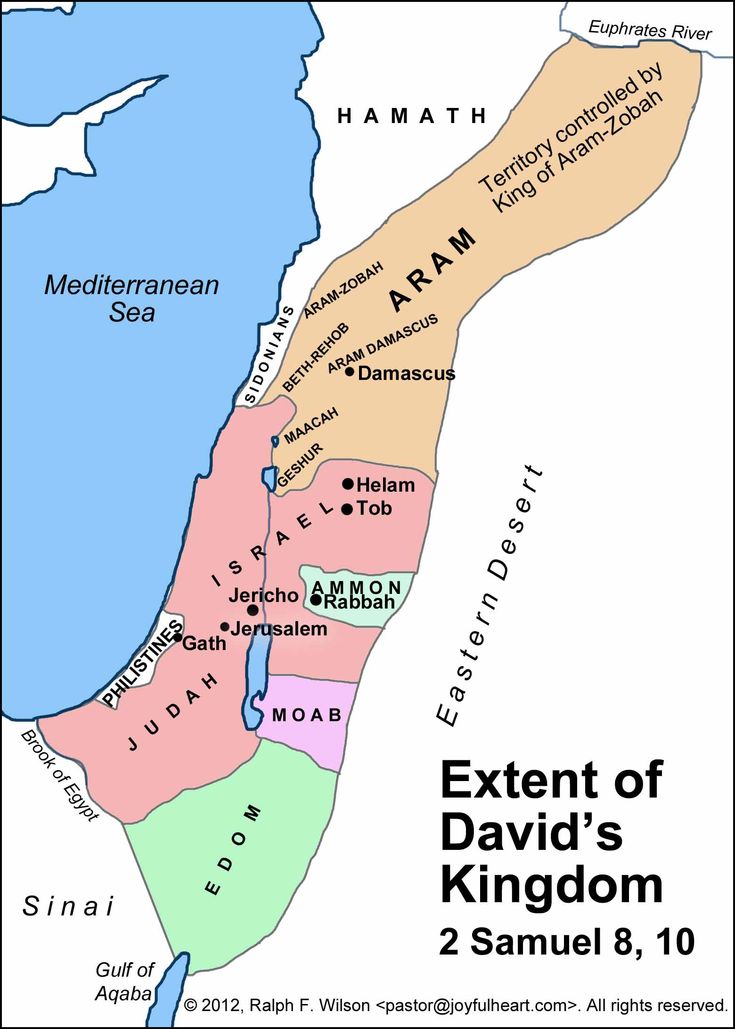
15.1 David’s Glorious Kingdom Established by God’s Grace Despite His Sin
2 SAMUEL / 2 KINGDOMS (Orthodox Tradition):
1:1–10:19 The Lord Blesses King David With a Glorious Reign
1:1–4:12 David as King Over Judah
5:1–24:25 David as King Over All Israel
5:17–10:19 David Blessed With a Great and Glorious Reign
11:1–20:26 The Lord Chastises King David for His Disobedience
11:1–12:31 David’s Sin With Bathsheba and God’s Rebuke
13:1–14:33 Amnon Rapes Tamar; Absalom’s Rage Against Amnon; Absalom’s Exile
and Return
15:1–16:23 Absalom’s Uprising and David’s Flight from Jerusalem
17:1–18:33 David Delivered and Absalom Slain
19:1–20:26 David’s Return to Jerusalem and His Reign Reestablished
21:1–24:25 God’s Grace Remains on David
21:1–22:51 David Averts God’s Wrath and Sings God’s Praise
23:1–24:25 God’s Everlasting Covenant With David; David’s Mighty Men; God’s
Grace on David
1 Samuel ends with Saul’s tragic death, which opens the door for David. Judah chooses David as their ruler, and eventually the entire nation recognizes him as the rightful king. David conquers Jerusalem, builds his palace there, and makes it the nation’s worship center. The Lord makes a covenant with David, promising him an enduring dynasty. David wins military victories and expands his kingdom. However, David commits serious sins and suffers painful consequences. The Lord stabilizes David’s kingdom, and David, in retrospect, celebrates the Lord’s grace and provision as he prepares to pass the throne on to Solomon, which occurs in 1 Kings.
The Lord Blesses King David With a Glorious Reign (1:1–10:19)
David mourns Saul’s death, again demonstrating his loyalty. Judah recognizes David as king, but Ish-bosheth’s supporters clash with David’s men. Abner’s decision to support David is a turning point, though Joab complicates matters by assassinating Abner. Finally, all Israel recognizes David as the rightful king. He conquers Jerusalem, builds a palace, and establishes a national worship center by bringing the ark there. The Lord makes a covenant with David, promising him military success and an enduring dynasty. The Lord begins to fulfill his promise as David defeats neighboring states and makes them his subjects. But, once more, the story takes a downturn in the next division.
David as King Over Judah (1:1–4:12)
David does not celebrate Saul’s death. He demonstrates loyalty to Saul by executing an Amalekite who claims to have aided in Saul’s death, and he writes a lament for Saul and Jonathan. The Lord sends David back to Judah, where the men of Judah anoint him as their king. But supporters of Saul are not ready to relinquish power. Abner appoints Saul’s son Ish-bosheth to rule over Israel. Conflict between Abner’s and Joab’s armies persists, with David’s men winning a substantial victory. As time passes, David’s support grows, while Saul’s house grows weaker. In the next section, all Israel will acknowledge David as the rightful king.
15.1 David’s Glorious Kingdom Established by God’s Grace Despite His Sin
David as King Over Judah (1:1–4:12)
15.2 David as King Over All Israel (5:1–24:25)
David Blessed With a Great and Glorious Reign (5:1–10:19)
15.3 The Lord Chastises King David for His Disobedience (11:1–20:26)
David’s success turns to tragedy as he commits adultery with Uriah’s wife, has Uriah killed in battle, and marries the pregnant Bathsheba to cover up his crimes. When David confesses his sin, the Lord forgives him and sustains his rule. Yet David suffers severe consequences. Four of his sons die prematurely, three violently. Amnon rapes his half-sister Tamar, but David does not punish him. Absalom avenges his sister by murdering Amnon. Absalom goes into exile, but then returns and seizes David’s throne. The Lord preserves David’s life and restores his rule, though Absalom dies in battle. David’s end is tragic, but the book’s epilogue rehabilitates his reputation.
David’s Sin With Bathsheba and God’s Rebuke (11:1–12:31)
As Israel continues to fight the Ammonites, David stays home. He sees Uriah’s wife bathing, pursues her, and has sexual relations with her. When she becomes pregnant, David orders Uriah killed in order to cover his sin. Through Nathan, the Lord confronts David, who confesses his sin. The Lord forgives David, but announces there will be severe consequences for his crimes. The baby born to David and Bathsheba dies. Yet the Lord restores his favor, expressing his love toward David and Bathsheba’s second child. David returns to battle and subdues the Ammonites. Yet the consequences must unfold, as the following sections describe.
Amnon violates Tamar; Absalom’s Rage Against Amnon; Absalom’s Exile and Return (13:1–14:33)
In accordance with his own verdict, David must pay fourfold for his murder of Uriah. The death of the baby was the first installment. Now he pays the second. David’s son Amnon brutally violates his half-sister Tamar, who laments her humiliation. Two years later her brother Absalom deceives Amnon and murders him. Absalom flees and lives in exile. Joab convinces David to show leniency to Absalom, and he agrees to allow Absalom to return. Yet for two years David refuses to see Absalom, who pressures Joab to intervene. David finally agrees to welcome his son home. But Absalom’s discontent is ready to boil over.
Absalom’s Uprising and David’s Flight from Jerusalem (15:1–16:23)
Disgusted by his father’s perceived failures, Absalom courts Israel’s favor, presenting himself as a champion of justice. He organizes a rebellion that gains widespread support, including that of David’s adviser Ahitophel. David must flee from Jerusalem. As he leaves, various individuals express their allegiance to him. With the help of Zadok, David sets up an espionage ring, and he tells Hushai to infiltrate Absalom’s royal court and frustrate the counsel of Ahitophel. Following David’s escape, Absalom enters Jerusalem and stakes his claim to kingship by violating David’s concubines. David’s situation looks bleak, but the Lord has not abandoned him, as we will see.
David Delivered and Absalom Slain (17:1–18:33)
David now pays the third installment on his debt. Having convinced Absalom he has shifted his allegiance, Hushai counters Ahitophel, who advises Absalom to kill David while he is vulnerable. Hushai, desiring to buy David time, reminds Absalom that David and his men are seasoned fighters. He advises Absalom to muster a large army before attacking. The Lord prompts Absalom to listen to Hushai, at least temporarily, and Hushai warns David to flee. Absalom pursues David, but David’s army wins a decisive victory, and Joab executes Absalom. When David finds out, he laments Absalom’s death. Absalom is dead, but other threats remain, as we will see.
David’s Return to Jerusalem and His Reign Reestablished (19:1–20:26)
David’s sorrow over Absalom’s death embarrasses his army, forcing Joab to rebuke David. David seeks reconciliation with the men of Judah, who invite him to return to his throne, but tension continues to fester. Sheba exploits Israel’s discontent and organizes a rebellion against David that gains some traction. David must deal with Sheba swiftly and sends his troops, now under Amasa’s leadership, after him. Joab brutally murders Amasa and then pursues Sheba to a city whose residents execute Sheba to prevent Joab from attacking them. The story continues in 1 Kings, where David pays the fourth installment on his debt.
God’s Grace Remains on David (21:1–24:25)
The epilogue presents David in a positive light. It begins and ends with incidents from David’s reign. In the first the Lord restores his favor to Israel after David ensures justice for the Gibeonites, whom Saul attempted to destroy. In the second the Lord restores his favor to Israel when David confesses his sin and intercedes for the nation. The epilogue also honors David’s mighty men, who protected Israel. Two poems appear, in which David thanks the Lord for delivering him from death and empowering him in battle, and expresses confidence in the Lord’s covenantal commitment to him. One moves to Kings encouraged and hopeful.
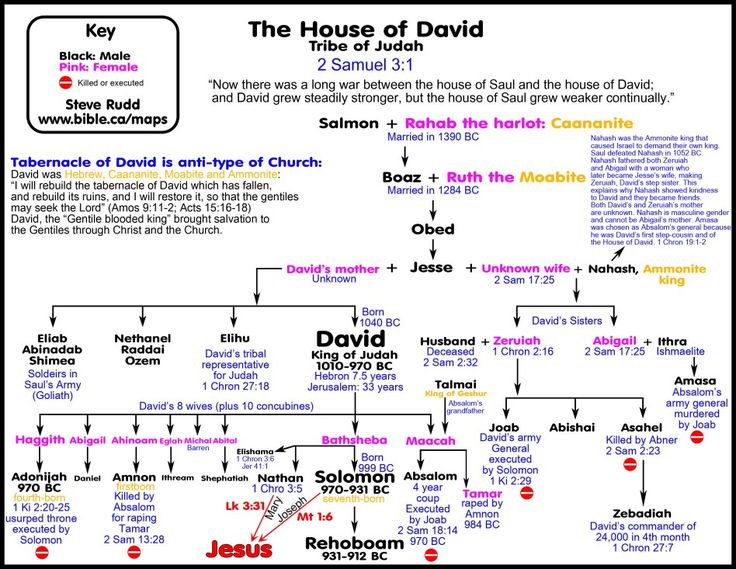
David Averts God’s Wrath and Sings God’s Praise (21:1–22:51)
David’s story has been tragic, but the epilogue reviews his career in a positive light. The first half of the epilogue has three parts: (1) Israel experiences a famine as punishment for Saul’s violation of a treaty with the Gibeonites. To appease the Lord and Gibeon, David justly executes seven of Saul’s offspring. (2) Courageous warriors protect David and defeat Philistines. (3) David praises the Lord as his incomparable protector and savior. He thanks the Lord for delivering him from death, enabling him in battle, and elevating him to kingship over nations. This positive portrayal continues in the second half of the epilogue.
God’s Everlasting Covenant With David; David’s Mighty Men; God’s Grace on David (23:1–24:25)
This portion of the epilogue also has three parts: (1) David reflects on the Lord’s covenantal commitment to him and his reliable promises. The Lord chose David to promote righteousness and to be an instrument of divine blessing for Israel. (2) Courageous warriors protect David and defeat enemies. (3) Because of his anger with Israel, the Lord incites David to number the army. This prompts the Lord to punish the nation through a severe plague, but he relents in response to David’s intercession. The epilogue’s focus is positive, giving us hope as the story moves forward into Kings.
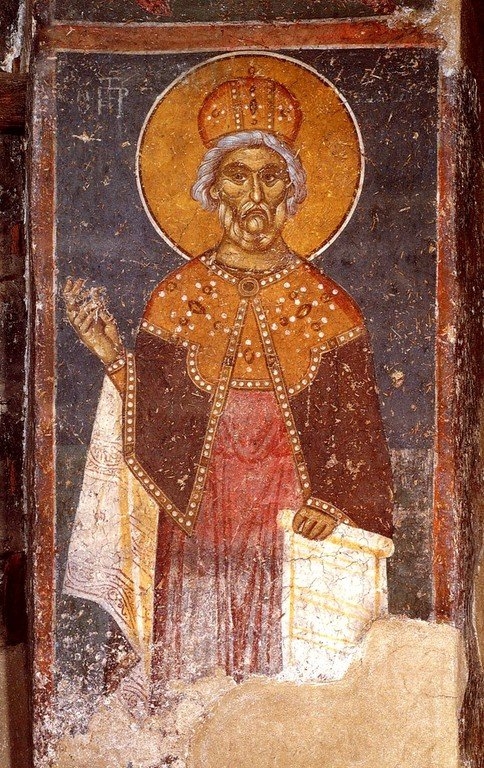
King David. Fresco of the monastery of Panagia Olympiotissa in Elassona
(Northern Thessaly, Greece). The end of the 13th century.
15.4 An Orthodox Insight into the Second Book of Samuel (2 Kingdoms)
The Second Book of Samuel is the narrative of David’s reign, chronicling his
triumphs, his sins, and his sufferings. For the Orthodox Church, this history
is fundamentally theological and prophetic. David is more than a historical
king; he is the archetypal Lord’s Anointed (Christos) , and his life,
kingdom, and covenant become a living prophecy of his greatest Son, Jesus
Christ. The book reveals that the true and eternal King must be a victorious
warrior, a righteous judge, a repentant sinner, and a suffering
servant.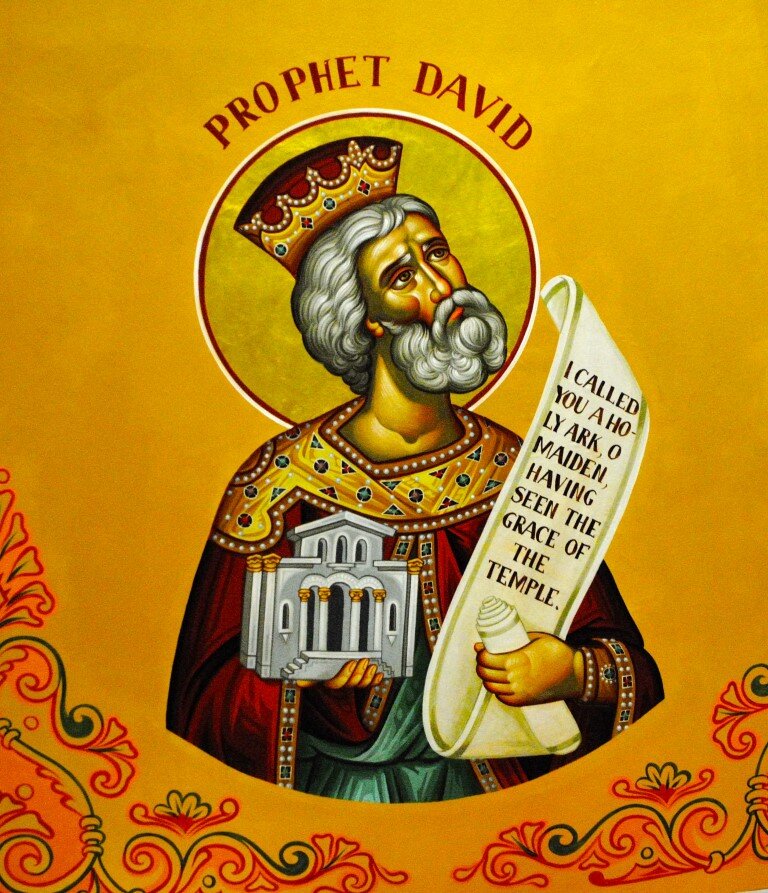
1. The Davidic Covenant: The Promise of an Eternal Kingdom
The theological centerpiece of 2 Samuel, and indeed of the entire Old Testament’s royal ideology, is God’s everlasting covenant with David.
“When your days are fulfilled and you rest with your fathers, I will set up your seed after you, who will come from your body, and I will establish his kingdom. He shall build a house for My name, and I will establish the throne of his kingdom forever… And your house and your kingdom shall be established forever before you. Your throne shall be established forever.” (2 Samuel 7:12-13, 16, NKJV)
-
Christological Fulfillment: This promise transcends Solomon, who built the physical temple. The Church Fathers, such as St. Athanasius in On the Incarnation , unanimously see this as a direct prophecy of Jesus Christ. He is the ultimate “seed” of David (Romans 1:3), who builds the true and eternal Temple, which is His Body, the Church (John 2:19-21; Ephesians 2:19-22). His kingdom and throne are everlasting (Luke 1:32-33).
-
Liturgical Understanding: This covenant is the foundation of the Church’s faith in Christ as the eternal King. It is echoed in the Liturgy, particularly in the hymnography for the Feast of the Annunciation , where the Angel Gabriel tells the Theotokos, “The Lord God will give Him the throne of His father David, and He will reign over the house of Jacob forever, and of His kingdom there will be no end” (Luke 1:32-33). The Katavasias of the Nativity also celebrate this fulfillment.
2. David the Type of Christ: The Righteous and Suffering King
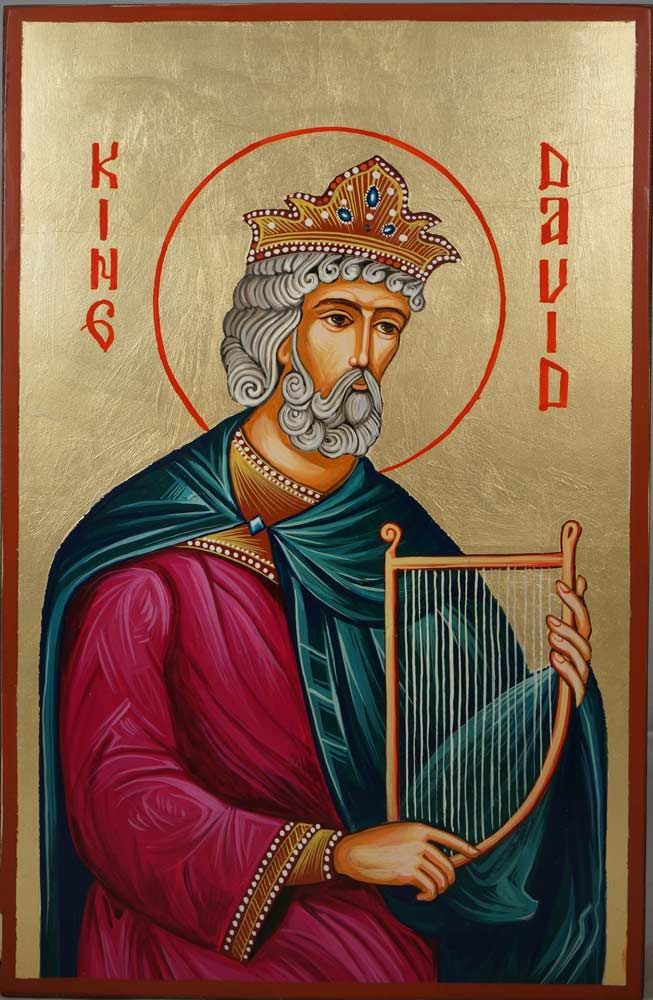 David’s actions and experiences
throughout 2 Samuel provide rich typology for the life and work of Christ.
-
The King in Hebron and Jerusalem: David first reigns in Hebron (the city of the patriarchs) over Judah, and later is anointed king over all Israel in Jerusalem. This prefigures Christ’s ministry first to the “lost sheep of the house of Israel” (Matthew 10:5-6) and subsequently His establishment as King over the entire world, Jew and Gentile, through the New Jerusalem, the Church.
-
Bringing the Ark to Jerusalem (2 Samuel 6): David’s joyful bringing of the Ark of the Covenant to Jerusalem is a major type of Christ’s Resurrection and Ascension.
-
Patristic Insight: The Ark represents the presence of God. Just as the Ark was brought to its resting place in Zion, Christ, the true presence of God, ascends to the heavenly Zion, leading a procession of captives (Ephesians 4:8). Uzzah’s death for touching the Ark (2 Sam. 6:6-7) underscores the holiness of God’s presence, which can only be approached through the order He prescribes—a theme fulfilled in the reverence of the Holy Mysteries.
-
Liturgical Fulfillment: David’s ecstatic dancing before the Ark is seen as an icon of the celebratory worship of the Church. This event is a scriptural foundation for the Church’s understanding of liturgical dance as a spiritual, inner reality of joy, reflected in the processions and the elevated, joyful hymns of the Feast of the Ascension and other major feasts.
-
3. David’s Sin and Repentance: The Ascetical Archetype
The tragic narrative of David’s adultery with Bathsheba and his murder of Uriah (2 Samuel 11-12) provides the most profound ascetical lesson in the Old Testament.
-
The Confrontation by Nathan: The prophet Nathan’s parable, “You are the man!” (2 Samuel 12:7), is the divine intervention that leads to repentance.
-
David’s Repentance: David’s response is the Psalm of repentance par excellence , Psalm 50 (51 LXX) , which is inextricably linked to this event.
-
Ascetical Understanding: This narrative is the archetype of the Christian struggle against passion and the path of repentance.
-
The Sequence of Sin: David’s sin begins with a logismos (a tempting thought) of gazing at Bathsheba, which he entertains rather than repelling. This illustrates the ascetical teaching of the Fathers (e.g., St. John Cassian) on the progression of sin: assault (provocation) → conversation → coupling → captivity → passion → sin.
-
The Role of Spiritual Father: Nathan acts as a spiritual father, speaking a word of truth that cuts through self-deception. This prefigures the sacramental and pastoral role of the priesthood in the Church in hearing confession and guiding souls to healing.
-
True Repentance vs. Worldly Sorrow: David’s immediate confession, “I have sinned against the LORD” (2 Sam. 12:13), stands in stark contrast to Saul’s excuses or Judas’s despair. This models metanoia —a transformative change of mind and heart. The consequences of sin remain (the child dies, the sword never departs his house), teaching that repentance heals the soul but does not always erase the temporal consequences, a key ascetical principle.
-
4. The Suffering of the Lord’s Anointed
David’s flight from his son Absalom (2 Samuel 15-18) is a profound type of Christ’s Passion.
-
The Betrayal and Humiliation: The beloved son, Absalom, usurps the throne, forcing the true king to flee Jerusalem in tears, ascending the Mount of Olives while being cursed by Shimei (2 Samuel 16:5-14).
-
New Testament Parallel: This powerfully prefigures Christ’s Passion. Jesus, the true King, is betrayed, ascends the Mount of Olives in sorrow (Luke 22:39), and is cursed, mocked, and rejected by His own people. David’s command to spare his rebellious son Absalom (2 Sam. 18:5) is an icon of God’s love for sinful humanity, even as we rebel against Him.
-
Patristic Insight: The Fathers saw in David’s patient endurance of Shimei’s curses a prefiguration of Christ’s silence before His accusers and His command to turn the other cheek. David’s statement, “It may be that the LORD will look on my affliction, and that the LORD will repay me with good for his cursing this day” (2 Sam. 16:12), is a prophecy of Christ’s intercession for His persecutors: “Father, forgive them…” (Luke 23:34).
5. The Final Prophecy: The Righteous Ruler
David’s last words contain a messianic hope:
“He who rules over men must be just, Ruling in the fear of God. And he shall be like the light of the morning when the sun rises, A morning without clouds, Like the tender grass springing out of the earth, By clear shining after rain.” (2 Samuel 23:3-4, NKJV)
- Christological Interpretation: This is a direct description of the Messiah. Christ alone is the perfectly just Ruler who judges in the fear of God. He is the “Sun of Righteousness” (Malachi 4:2) and the “light of the world” (John 8:12), whose reign brings life and renewal to the world, like tender grass after rain.
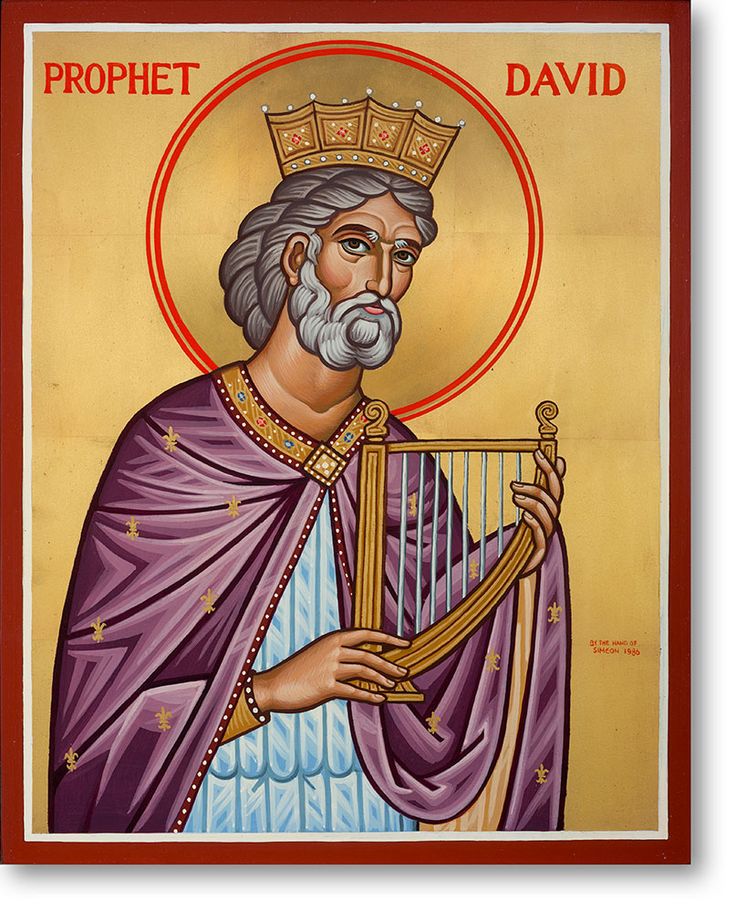 Conclusion: 2 Kingdoms as a
Christ-Centered Book
The Second Book of Samuel reveals that the ideal king, prefigured in David, can only be fully realized in Jesus Christ. It shows:
-
Christ the Eternal King, fulfilling the Davidic Covenant and establishing an everlasting kingdom.
-
Christ the Righteous Judge, who brings true justice and order.
-
Christ the Suffering Servant, who is rejected, cursed, and humiliated for the sake of His people.
-
Christ the Model of Repentance, who, though sinless, bears the sins of the world and establishes the path of metanoia for all humanity.
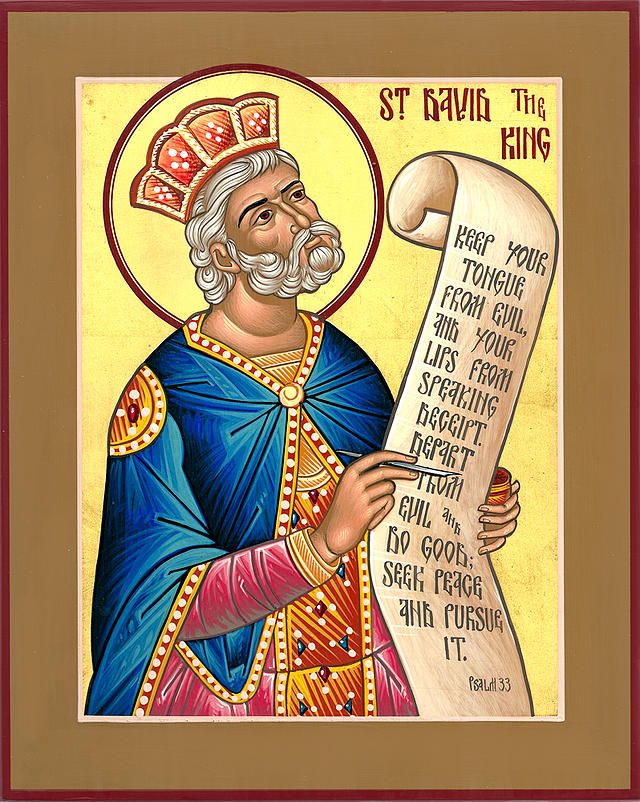
David’s life, in all its glory and tragedy, is a prophetic icon that finds its true subject and fulfillment in the New David, our Lord and God and Savior, Jesus Christ, except David’s sins. The book teaches that the path to the crown is through the Cross, and the foundation of the eternal throne is humility and repentance.
- David’s Glorious Kingdom Established by God’s Grace Despite His Sin
- David as King Over All Israel (5:1–10:19 (24:25)
- The Lord Chastises King David for His Disobedience (11:1–20:26)
-
An Orthodox Insight into the Second Book of Samuel (2 Kingdoms)
15.3 The Lord Chastises King David for His Disobedience (11:1–20:26)
David’s Sin With Bathsheba and God’s Rebuke (11:1–12:31)
David Delivered and Absalom Slain (17:1–18:33)
God’s Grace Remains on David (21:1–24:25)
- David’s Glorious Kingdom Established by God’s Grace Despite His Sin
- David as King Over All Israel (3:6–5:16)
- The Lord Chastises King David for His Disobedience (11:1–20:26)
Related Concepts
- absalom
- absaloms-rebellion
- apostolic-call
- ark-of-the-covenant
- ark-procession
- ascetical-model
- baptism-and-conversion
- baptismal-begetting
- bathsheba
- canon-of-st-andrew-of-crete
- census
- christ-as-king
- christ-as-son-of-david
- christ-the-suffering-servant
- church-as-esther
- conditionality-of-royal-blessing
- consequences-of-sin
- conversion
- davidic-dynasty
- ephesians-219-22
- epilogue
- esther-as-type-of-christ
- eternal-covenant
- eternal-kingdom
- eternal-temple
- feast-of-annunciation
- forerunner
- concepts/gods-relenting-niḥam
- great-canon
- great-lent
- haman-as-type-of-satan
- hebrews-725
- holiness-of-god
- holy-mysteries
- humiliation
- isa-53
- john-219-21
- katavasias-of-nativity
- kingdom-of-god
- kingship
- last-judgment
- liturgical-worship
- logismos
- luke-132-33
- malachi-42
- messiah
- messianic-prophecy
- metanoia
- mordecai-as-type-of-christ
- mount-of-olives
- new-jerusalem
- obedience
- old-testament-prophecy
- passion
- passion-of-christ
- pastoral-care
- plague
- psalm-50
- renunciation
- resurrection
- romans-13
- royal-psalms
- sackcloth
- shimei
- solomon-as-davids-heir
- teacher-disciple-relation
- temple
- temporal-consequences
- transformation
- typology-of-christ-the-king
- watchfulness
- yahwehs-chosen-king