Old Testament — Topic 11
11.1 God’s Provision of a Priesthood, Sacrifices, and Laws So That Israel
Can Draw Near to Him and Live Holy for Him
LEVITICUS:
1:1–7:38 Laws About Sacrifices
1:1–6:7 Laws for the People About Sacrifices
6:8–7:38 Laws for the Priests About Sacrifices
8:1–10:20 Ordination and Ministry of Aaron and His Sons as Priests
8:1–36 Ordination of Aaron and His Sons as Priests
9:1–24 Aaron’s Offerings for Himself and for the People
10:1–20 The Need for Priests to Minister Obediently
11:1–16:34 Laws About Cleanness and About the Day of Atonement
11:1–15:33 Laws About Ceremonial Cleanness
16:1–34 Laws About the Day of Atonement
17:1–27:34 Laws for Holiness of the People and Priests
17:1–20:27 Laws for the Holiness of Israel
21:1–22:33 Laws for the Holiness of Priests
23:1–44 Laws About Religious Holy Days
24:1–23 The Seriousness of Keeping the Law
25:1–55 Redemption and the Year of Jubilee
26:1–46 Blessings, Punishments, and Grace
27:1–34 Of Gifts, Vows, and Tithes
The book of Leviticus follows immediately after the erection of the tabernacle in Exodus 40:17–33, and its occupation by the Lord in the form of the glory cloud of his presence and guidance with the pillar of fire in it by night in Exodus 40:34–38. Leviticus is all about the way the Israelites are to live in the light of this visible physical presence of the Lord in their midst. The glory cloud fills the tabernacle so that Moses cannot enter (Exodus 40:34–35), so Leviticus begins, “The Lord called to Moses and spoke to him from the tent of meeting” (Lev 1:1a). On the one hand, the first half of the book (chapters 1–16) takes a viewpoint from inside the tabernacle looking out at the community. It contains regulations for how the priests and the people should practice their walk with the Lord in sacrifice, along with holiness and purity. On the other hand, the second half (chapters 17–27) looks in toward the tabernacle from the perspective of the community that surrounded it. These regulations are concerned with life of the community: their holiness and purity before the Lord and one another, and their relationships with one another.
Laws About Sacrifices (1:1–7:38)
There are two main sections here:
(1) the basic handbook of procedures for the five major sacrifices: burnt, grain, peace, sin, and guilt offerings (1:1–6:7);
(2) the regulations for the distribution of the parts of the offerings between the parts that go on the altar, the parts that go to the priests, and the parts that go to the people (6:8–7:38).
The handbook of sacrifices in 1:1–6:7 falls into two main parts: the regular burnt, grain, and peace offerings (chapters 1–3) and the newly established sin offering (4:1–5:13) and guilt offering (5:14–6:7), where the focus is on blood atonement in the tabernacle.
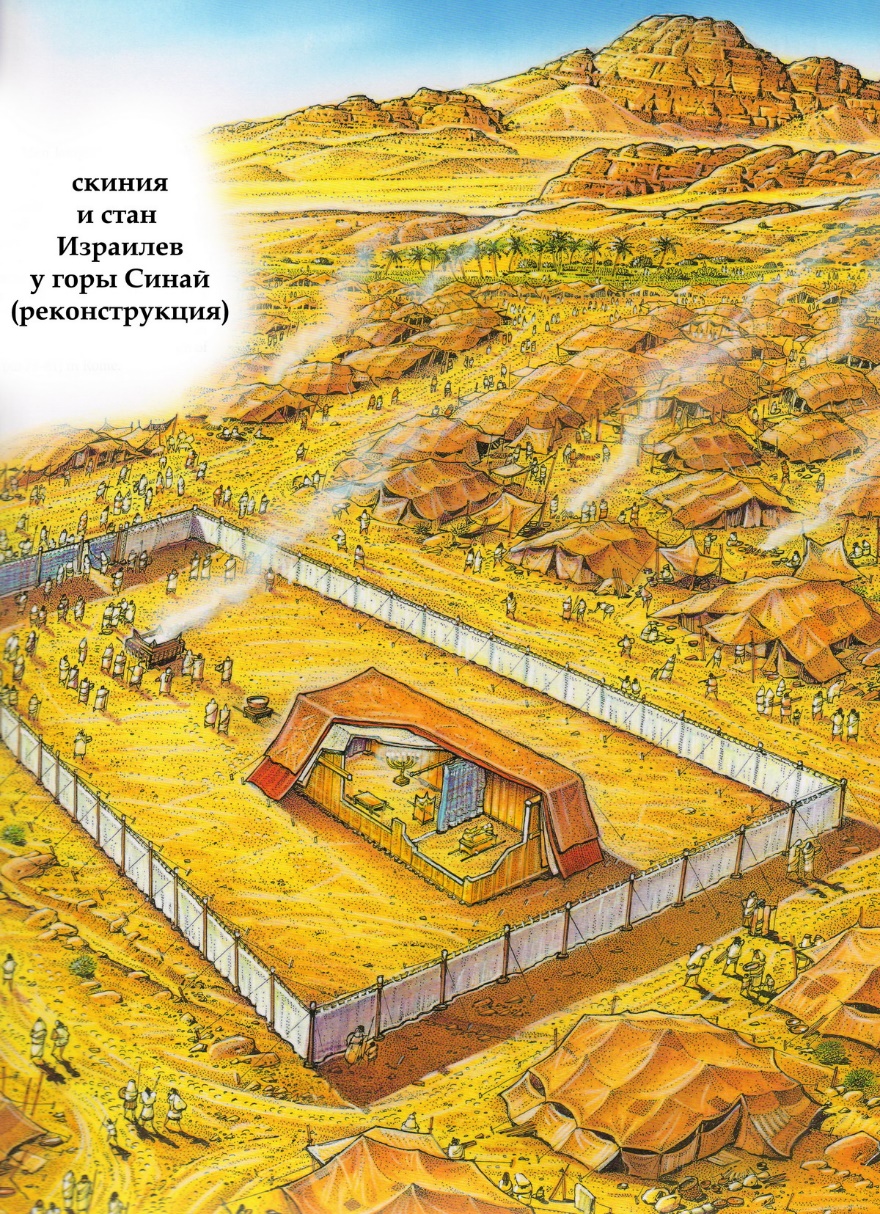
Laws for the People About Sacrifices (1:1–6:7)
These are the basic regulations for the five major kinds of sacrificial offerings in the tabernacle. The first three are the burnt, grain, and peace offerings (chapters 1–3, respectively). These were offered earlier at solitary altars, e.g., in the times of the patriarchs and even by Moses in ratifying the covenant at Sinai (Exodus 24:5), before the tabernacle was fabricated and erected in Exod 25–40. The sin and guilt offerings appear first in Leviticus 4:1–6:7. The sin offering makes atonement for contaminating the tabernacle with sin or impurity (4:1–5:13). The guilt offering makes atonement for desecrating the holy things of the Lord (5:14–6:7).
Laws for the Priests About Sacrifices (6:8–7:38)
These regulations clarify how the priests should manage the blood, meat, and bread of the five kinds of offerings when the people bring them to the tabernacle (compare 1:1–6:7), and that the priests receive parts of the offerings as “prebends” (i.e., payment for the services the priests render to the people in mediating their offerings). They include, for example, the hide from the burnt offering (7:8), the leftover grain from the grain offering (6:16; 7:9–10), and the meat of the sin and guilt offerings of the people. There are three kinds of peace/fellowship offerings: thank, votive, and freewill offerings (7:11–18).
11.6 Israel Prepares to Conquer Canaan but Rebels Against the Lord, Who
Judges but Proceeds With His Gracious Plan
NUMBERS:
1:1–10:36 Israel’s Preparations and Departure for Canaan
1:1–4:49 External Preparations of the Tribes
5:1–10:36 Religious Preparations of the People and Their Departure for Canaan
11:1–25:18 Israel’s Rebellion at Kadesh and Its Consequences
11:1–14:45 Various Rebellions Climaxing at Kadesh
15:1–19:22 Yahweh’s Judgment and Redemption Toward Sinful Israel
20:1–25:18 Yahweh’s Purpose of Grace Continues Despite Israel’s Sin
26:1–36:13 Yahweh’s Mercy on a New Generation
26:1–27:23 Fresh Census, Laws About Land, Joshua as Moses’ Successor
28:1–30:16 Laws About Public Sacrifices and Vows
31:1–33:49 Triumph Over Midian, Settlement in Transjordan, and Wilderness
Itinerary
33:50–36:13 Laws About Israel’s Occupation of Canaan
Five hundred years have passed after God promised Abraham blessing, offspring, and land (Gen 12:2–3; 17:1–8). And fourteen months have passed after Moses led a vast multitude to Sinai (Num 1:1). Now the redemptive-historical story line follows two generations of those offspring through the wilderness: the first generation complains about the conditions of their redemption and refuses their inheritance (chapters 1–25), and the second experiences the Lord’s merciful renewal (chapters 26–36).
Three divisions recount their story:
(1) Israel organizes and marches off to conquer Canaan (chapters 1–10);
(2) that first generation rebels and dies in the wilderness (chapters 11–25);
(3) the Lord prepares a second generation to occupy the land (chapters 26–36).
Twice, the book records counts that bespeak fulfillment of the Lord’s promise that Abraham’s offspring would multiply. Twice, the Lord organizes the nation into twelve tribes descended from Jacob’s sons: initially, for the wilderness journey itself; and finally, for land allotment in Canaan. Much of what we read echoes the statutes given at Sinai, teaching Israel how to become a holy community following a holy God into his provision of a holy land. In the end, the book leaves Israel stationed right across the river from Canaan (36:13), all conquest-ready, we hope.
Israel’s Preparations and Departure for Canaan (1:1–10:36)
Fourteen months after departure from Egypt and nine months after arrival at Sinai, the focus falls on preparing to move against Canaan: First, we see a military muster and civil census, with a corresponding muster of Levites (1:1–4:4). These counts draft eligible warriors (chapter 1), arrange the camp by tribes and clans (chapter 2), redeem firstborn males (chapter 3), and draft eligible Levites for tabernacle duties (chapter 4). Then, the narrative and legislation addresses what it will take to maintain appropriate holiness throughout the camp (5:1–10:10), which obediently moves out in battle order (10:11–36).
External Preparations of the Tribes (1:1–4:49)
Israel spent nine months at Sinai (1:1), but now Numbers prepares the people to move on: drafting combat-eligible males (chap. 1), establishing Israel’s camp layout and marching order (chapter 2), mustering eligible Levites for tabernacle service and as substitutes for Israel’s firstborn males (chapter 3), and fixing each Levitical clan’s portage duties for when the time comes to break camp and move out with the tabernacle (chapter 4).
Religious Preparations of the People and Their Departure for Canaan (5:1–10:36)
Following all the counting and work assignments (chapters 1–4), this section shifts the focus to Israel’s holy and blessed position before Yahweh: First, it treats ceremonial and moral purity (chapter 5) and then the particular requirements of the Nazirite vow, followed by a priestly blessing (chapter 6). Next, it turns to tabernacle affairs: offerings to dedicate its altar (chap. 7), then its lampstand and a cleansing ritual for its Levites (chapter 8). Arrangements for the first wilderness Passover follow (9:1–14). Finally, following a description of the signals Israel should observe for camping and marching (9:15–10:10), Israel pulls out from Sinai and heads for Canaan (10:11–36).
Israel’s Rebellion at Kadesh and Its Consequences (11:1–25:18)
Israel starts well, but straight away they collapse into habitual rebellion, which climaxes at Kadesh (chapters 11–14). They reject manna (chapter 11), Moses (chapter 12), and even their mandate to conquer Canaan; so Yahweh imposes judgment on that rebel generation (chapters 13–14). Nonetheless, he keeps on giving redemptive legislation (chapters 15–19) and continues his gracious wilderness provision, even as that generation dies off (chapters 20–25). Finally, that first generation fails one last test: Balaam the curse expert and his Moabite allies entice once-blessed Israel into out-and-out accursed paganism (chapters 22–25).
Various Rebellions Climaxing at Kadesh (11:1–14:45)
Ready obedience has dominated so far (chapters 1–10), but this section opens with rebellions at Taberah and Kibroth-hattaavah (chapter 11) and then at Hazeroth—not just in the ranks, but with Miriam and Aaron rebelling against Moses’ unique mandate (chapter 12). Next, a reconnaissance team returns from Canaan reporting agricultural abundance but bewailing military peril (chapter 13). Despite Joshua and Caleb’s bold minority report, the others persuade “the whole congregation” to rebel. So Yahweh refuses to put up with this defiant first generation any longer, and the Amalakites and Canaanites put Israel on the run (chapter 14)—an apparent collapse of the whole mission.
Yahweh’s Judgment and Redemption Toward Sinful Israel (15:1–19:22)
Despite the mounting record of rebellion (chapters 11–14), this section opens with miscellaneous cultic regulations and instructions for maintaining Israel’s national relationship with Yahweh when they finally can enter the land (chapter 15). But the very next passage crushes any immediate hopes with the report of Korah’s fatal conspiracy against Moses and Aaron (chapter 16). Next, a rite reaffirms the Aaronic priesthood (chapter 17). Priestly order reaffirmed, the book return to redemptive legislation: the priests’ and Levites’ functions and prerogatives (chapter 18), and finally, a recipe for purification water (chapter 19)—a hopeful note of potential purification.
Yahweh’s Purpose of Grace Continues Despite Israel’s Sin (20:1–25:18)
The preceding notes of preparation despite rebellion (chapters 1–19) now give way to final reckoning with the rebel generation (chapters 20–25). While Israel camps at Kadesh, Moses and Aaron themselves demonstrate a lack of trust, publicly undermine Yahweh’s holy reputation, and get themselves excluded from the promised land (chapter 20). Israel wins a victory at Hormah, but then suffers a plague of fiery serpents (chapter 21). The Moabite king Balak fears this powerful force on his flank, so he commissions Balaam to put a curse on Israel, but that fails (chapters 22–24). Nonetheless, Balaam helps the Moabites seduce Israel; so they do fall under the curse of Yahweh’s judgment, which Phineas’ intervention stops, but only after 24,000 fatalities (chapter 25).
«So he took up his oracle and said: «The utterance of Balaam the son of Beor, And the utterance of the man whose eyes are opened;
The utterance of him who hears the words of God, And has the knowledge of the Most High, Who sees the vision of the Almighty, Who falls down, with eyes wide open:
«I see Him, but not now; I behold Him, but not near; A Star shall come out of Jacob; A Scepter shall rise out of Israel, And batter the brow of Moab, And destroy all the sons of tumult (sons of Seth)». (Num. 24:15-17 (NKJV/ LXX). This text points to the coming Christ.
PLEASE, LEARN THIS MARKED TEXT WELL, BECAUSE IT CONTAINS THE MESSIANIC PROPHECY!
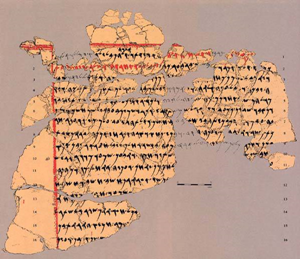
A surviving inscription mentioning the false prophet Balaam in the sanctuary of Tel Deir Alla, Jordan
11.3 Laws About Cleanness and About the Day of Atonement (11:1–16:34)
Leviticus 11–15 gives regulations for holiness and purity: clean and unclean animals (chapter 11), purification from blood flow after childbirth (chapter 12), diagnosing and cleansing from defiling skin diseases and molds (chapter 13–14), and cleansing from bodily discharges causing impurity (chapter 15). If not handled properly, such impurities could contaminate and offend the tabernacle presence of God, causing him to break out against the community of Israel (15:31). Once a year, on the Day of Atonement (chapter 16), the high priest performs ritual procedures for completely cleansing the tabernacle and community from all their impurities and sins of the past year.
Laws About Ceremonial Cleanness (11:1–15:33)
These chapters set forth the regulations for maintaining holiness and purity in the community of the Israelites surrounding the tabernacle. These include clean and unclean (edible and inedible) animal regulations (chapter 11), purification from the blood flow of a woman after childbirth (chapter 12), the inspection and diagnosis of defiling skin diseases and molds in fabrics (chapter 13), and purification from defiling skin diseases and molds in houses (chapter 14). This section concludes with male and female bodily flows and their impurities (chapter 15), which could potentially defile the tabernacle presence of the Lord in their midst (chapter 15:31).
Laws About the Day of Atonement (16:1–34)
This chapter warns that only the high priest can enter the most holy place, where the ark of the covenant is, and even him only once a year (16:2), on the Day of Atonement (September/October, the tenth day of the seventh month; compare 16:34 with 23:27). He is to enter the most holy place to offer the sin offering—blood for atonement—first for himself and the other priests, and then for the common people (16:11–19). He is then to offer the scapegoat before the Lord, place all the sins of the people on the goat, and send it away into the wilderness, never to return (16:20–22).
11.4 Laws for Holiness of the People and Priests (17:1–27:34)
Leviticus 17–27 shifts focus from holiness and purity in the tabernacle (chapters 1–16) to holiness and purity in the community around it. It begins with regulations against eating the blood of animals (chapter 17). Leviticus 18–26 contains regulations for moral and relational purity in the community. It is known as the Holiness Code because of the recurring formula “Be holy because I, the Lord your God, am holy” (19:2; 20:7, 26; 21:6–8; see also the shortened formula in 18:2, 4, 5, etc., through 26:45). The book ends with regulations for the redemption of people and things holy to the Lord (chapter 27).
Laws for the Holiness of Israel (17:1–20:27)
Leviticus 17 calls for Israel to sacrifice only in the tabernacle as they travel through the wilderness so that they do not sacrifice to the “goat demons,” but only to the Lord (17:1–9). They must drain the blood from an animal before eating the meat, because the blood represents the life of the animal (17:10–16). Leviticus 18 contains regulations for sexual and marital morality so the people do not pollute the land, and chapter 19 calls for relational morality of all kinds in Israel. Leviticus 20 concludes this section with a call to separation from the sinful practices of the nations around them.
Laws for the Holiness of Priests (21:1–22:33)
Leviticus 21 sets out the rules for the holiness and purity of the priests (21:1–15) and offers a prohibition against any descendant of Aaron who has a bodily defect functioning as a priest (21:16–24). Leviticus 22 prohibits them from functioning as priests if they are unclean (22:1–9), and prohibits them or anyone in their family from eating the priestly portions if they are unclean at the time (22:10–16). It is their responsibility to make sure all animals offered are without defect and that they are slaughtered and eaten according to the regulations (22:17–30). Thus, they will avoid violating the Lord’s holy name (22:31–32).
Laws About Religious Holy Days (23:1–44)
These are the regulations for the Lord’s holy days, beginning with the weekly Sabbath day (23:1–3) and continuing with the spring festivals (March–June). The first is the week of Passover and Unleavened Bread (23:4–8). Then comes the presentation of the early firstfruits of the grain harvest (23:9–14), followed seven weeks later by the Festival of Weeks, after they have finished the grain harvest (23:15–22). The fall festivals (September–October) include the New Year Feast of Trumpets (23:23–25), the Day of Atonement (23:26–32; really a solemn day, not a feast), and the seven-day Feast of Tabernacles (23:33–44).
The Seriousness of Keeping the Law (24:1–23)
This chapter begins with regulations for the regular burning of the lamps on the lampstand from evening to morning (24:1–4) and the weekly placement of the twelve loaves of bread on the table before the Lord in the tabernacle tent (24:5–9). The second section of the chapter reports an incident of a son of an Israelite woman blaspheming the Name (of the Lord) with a curse during a fight (24:10–23). They put him in custody until Moses can consult with the Lord about what to do. The eventual result is the execution of the blasphemer by stoning.
Redemption and the Year of Jubilee (25:1–55)
People have a Sabbath every week, so the land has a Sabbath every seven years, a sabbatical year. This will be the year of rest for the land. There will be no regular planting and harvesting that year, but they can eat the volunteer growth of crops in the field and on the grapevines and fruit trees (25:1–7). The Year of Jubilee comes around every fifty years, after every seven cycles of sabbatical years (25:8–50). That year all the families in Israel will regain and return to their family inheritance even if they had to sell it off during the previous forty-nine years for economic reasons.
Blessings, Punishments, and Grace (26:1–46)
Leviticus 26 begins with a prohibition against idols and a call to observe the Sabbath and maintain the holiness of the tabernacle sanctuary (26:1–2). The rest of the chapter recites the blessings and curses of the covenant: blessings if the Israelites keep their covenant obligations set forth in the law given at Sinai (26:3–13), but curses if they violate them (26:14–39). The chapter ends with assurances from the Lord that even if he takes them into exile to chastise them for breaking the covenant, when they repent he will bring them back to the land (26:40–45).
Of Gifts, Vows, and Tithes (27:1–34)
This chapter begins with the amount of payment for redeeming special vows, depending on the age and gender of the person who made the vow (27:1–8). It continues with payment of vows of an animal, a house, part of the family land, or a field that is not part of the family land (27:9–25). People cannot vow things already holy to the Lord (e.g., firstborn animals). They must be sure to pay their vows (27:26–28). A person who has been devoted to the Lord must die—there is no ransom possible (27:29). They must also pay their devoted tithes (27:30–33).
11.1 God’s Provision of a Priesthood, Sacrifices, and Laws So That Israel
Can Draw Near to Him and Live Holy for Him
Laws About Sacrifices (1:1–7:38)
There are two main sections here:
Laws for the People About Sacrifices (1:1–6:7)
Laws for the Priests About Sacrifices (6:8–7:38)
11.2 Ordination and Ministry of Aaron and His Sons as Priests (8:1–10:20)
This division falls into two main units:
(1) the anointing and consecration of the tabernacle, and the seven-day ordination of the Aaron and his sons as priests, all directed by Moses (chapter 8);
(2) the inauguration day of the tabernacle and priesthood (chapters 9–10).
The inauguration of the tabernacle and priesthood is on the eighth day (chapter 9). This is the first day that Aaronic priests function as priests, and it is on this very day that Aaron’s two oldest sons, Nadab and Abihu, violate the Lord’s holiness and are consumed by fire from the Lord (chapter 10).
Ordination of Aaron and His Sons as Priests (8:1–36)
Moses officiates the ordination procedures for Aaron the high priest and his sons as priests over a period of seven days (8:33–35). He clothes them in their special priestly garments (8:5–9), and then anoints the tabernacle and its furnishings and the priests with oil (8:10–13). Moses then sacrifices for sin and presents burnt offering to consecrate the tabernacle altar for making atonement (8:14–21). Then he consecrates the priests by putting the blood of the ordination offering on the right earlobe, thumb, and big toe of Aaron and his sons (8:22–29. Finally, he sprinkles some of the blood and oil from the altar on the priestly garments (8:30).
Aaron’s Offerings for Himself and for the People (9:1–24)
After the seven-day ordination of the tabernacle and the priests (chap. 8), this chapter recounts inauguration day, the first day Aaron and his sons function as the priestly mediators for the people in the tabernacle. First, Aaron offers a sin and a burnt offering for himself (9:8–14). Second, he offers sin, grain, burnt, and peace offerings for the people (9:15–21), and lifts up his hand and blesses the people (9:22). Finally, Moses and Aaron go into the tabernacle and come out before the people to bless them. Then the Lord sends fire to consume the burnt offering and fat on the altar (9:23–24).
The Need for Priests to Minister Obediently (10:1–20)
Aaron’s two oldest sons, Nadab and Abihu, die by fire from the Lord that consumes them on the inauguration day because they offer “unauthorized fire” before the Lord, not treating the Lord as holy (10:1–3). Aaron is shocked and upset, but he has to continue with the proceedings of this special day without interruption (10:4–7). God, therefore, highlights the primary principles of the tabernacle system to Aaron: “distinguish between the holy and the common, between the unclean and the clean” (10:10). The priests are provided for through the sacrificial system (10:12–15), but must be sure to follow the regulations carefully (10:16–20).
11.3 Laws About Cleanness and About the Day of Atonement (11:1–16:34)
Laws About Ceremonial Cleanness (11:1–15:33)
Laws About the Day of Atonement (16:1–34)
11.4 Laws for Holiness of the People and Priests (17:1–27:34)
Laws for the Holiness of Israel (17:1–20:27)
Laws for the Holiness of Priests (21:1–22:33)
Laws About Religious Holy Days (23:1–44)
The Seriousness of Keeping the Law (24:1–23)
Redemption and the Year of Jubilee (25:1–55)
Blessings, Punishments, and Grace (26:1–46)
Of Gifts, Vows, and Tithes (27:1–34)
11.5 An Orthodox Synthesis of the Book of Leviticus: The Book of Holiness
and the Communion of the Saviour
To the modern reader, Leviticus can appear as a daunting collection of archaic laws. However, for the Orthodox Christian, it is a deeply theological and Christ-centered book. Its core theme is not merely ritual purity, but how a sinful people can dwell in the presence of a holy God. It answers the question posed at the end of Exodus: how can humanity approach the God whose glory is an all-consuming fire? The answer, prefigured in every sacrifice and ordinance, is Jesus Christ. Leviticus is fundamentally a book about the means of communion with God, fulfilled in the person and work of the Savior.
The Central Theme: “Be Holy, For I Am Holy”
The entire book is framed by God’s fundamental command: “You shall be holy, for I the LORD your God am holy” (Leviticus 19:2, repeated in 20:7, 26). The problem is that humanity, in its sin and impurity, cannot achieve this holiness on its own. Therefore, Leviticus provides a God-given system of grace —through sacrifice, priesthood, and atonement—to bridge the chasm between God’s holiness and human sinfulness. This entire system is a typos (type) that finds its antitypos (reality) in Christ.
The Sacrificial System: Christ the True Lamb
The sacrifices (Chapters 1-7) are not arbitrary rituals but profound illustrations of the cost of sin and the path to reconciliation. Each offering reveals an aspect of Christ’s one, perfect sacrifice.
-
The Burnt Offering (
Olah- Chapter 1): A voluntary offering of complete consecration, wholly consumed by fire and ascending as a “pleasing aroma” to God.- Fulfillment in Christ: Christ is the true Burnt Offering, Who offered Himself entirely and without reserve to the Father on the Cross. “And walk in love, as Christ loved us and gave Himself up for us, a fragrant offering and sacrifice to God” (Ephesians 5:2).
-
The Grain Offering (
Minchah- Chapter 2): An offering of the finest flour, oil, and frankincense, signifying the dedication of the fruits of human labor to God.- Fulfillment in Christ: Christ is the “firstfruits” (1 Corinthians 15:20) and the “bread of life” (John 6:35). This offering finds its fulfillment in the Eucharist , where we offer back to God the bread and wine, which by the Holy Spirit become Christ Himself, the true sustenance of our lives.
-
The Peace Offering (
Shelamim- Chapter 3): A sacrifice of thanksgiving and communion. Unlike other offerings, parts of this offering were consumed by the priests and the worshipper, symbolizing a shared meal of reconciliation and peace with God.- Fulfillment in Christ: Christ is our peace (Ephesians 2:14). The Eucharist is the ultimate Peace Offering, the “Lord’s Supper,” where we partake of the sacrifice and enter into communion (koinonia) with God and with each other.
-
The Sin and Guilt Offerings (
Chatta'tandAsham- Chapters 4-5): Mandatory offerings for specific unintentional sins and transgressions. They involved the confession of sin, the laying of hands on the animal (signifying the transfer of guilt), the shedding of blood, and the purification of the sanctuary from defilement.- Fulfillment in Christ: This is the most direct prefiguration of Christ’s atoning work. “Without the shedding of blood there is no forgiveness of sins” (Hebrews 9:22). Christ is the ultimate Sin Offering (2 Corinthians 5:21) Whose blood purifies not an earthly sanctuary, but the human heart and the entire cosmos.
The Priesthood: Christ the Eternal High Priest
The ordination of Aaron and his sons (Chapters 8-10) establishes a priesthood to mediate between God and man.
-
The High Priest: The Aaronic high priest, with his beautiful garments (the ephod, breastplate) entering the Holy of Holies once a year, is a clear type of Christ.
- Fulfillment in Christ: The Epistle to the Hebrews exhaustively develops this theme. Christ is the great High Priest (Hebrews 4:14), not from the tribe of Levi but after the order of Melchizedek (a priesthood that is eternal). He does not offer the blood of animals, but His own blood (Hebrews 9:12). He does not enter a man-made sanctuary, but heaven itself, to intercede for us forever (Hebrews 9:24).
-
The Failure of Nadab and Abihu (Chapter 10): The story of the priests who offered “strange fire” and were consumed highlights the absolute seriousness of approaching God on His terms, not our own. It points to the need for a perfect Priest who will offer a perfect sacrifice in perfect obedience.
The Day of Atonement (Yom Kippur): Christ the Scapegoat and Sacrifice
Leviticus 16 is the theological heart of the book and one of the richest Christological passages in the Old Testament.
-
The Two Goats: The ritual of the two goats—one sacrificed on the altar and the other driven away into the wilderness as the “scapegoat”—provides a complete image of atonement.
-
The Sacrificed Goat: Prefigures Christ’s death, which pays the debt of sin and satisfies the demands of God’s justice.
-
The Scapegoat (Azazel): Prefigures Christ bearing the burden of our sins and removing them “as far as the east is from the west” (Psalm 103:12). The Fathers saw this as Christ’s descent into Hades, carrying away the sins of the world.
-
Patristic Insight: St. Cyril of Alexandria and other Fathers taught that the two goats represent the two natures of Christ: the slain goat signifies His humanity offered in sacrifice, while the scapegoat, laden with sin and sent away, signifies His divine power to utterly remove and destroy sin.
-
-
The Liturgical Understanding: The services of Holy Week, particularly the solemnity of Great and Holy Friday, are deeply patterned after the Day of Atonement. Christ is both the High Priest who offers the sacrifice and the Lamb who is slain.
**The Laws of Purity and Holiness: Christ the Healer and the Life of the
Church**
The purity laws (Chapters 11-15, dietary, bodily discharges, skin diseases) are often misunderstood. Their primary purpose was not hygiene but to teach a spiritual reality: the pervasive nature of sin and death and the need for separation from it.
-
Fulfillment in Christ: Christ fulfills these laws by healing the unclean. He touches the leper (Matthew 8:1-4), heals the woman with a discharge (Matthew 9:20-22), and declares all foods clean (Mark 7:19). He does not abolish the concept of purity; rather, He is the source of true purity, which is internal and spiritual. He defeats the corruption of sin and death at its root.
-
The Life of the Church: The call to holiness in Leviticus 17-26 (the “Holiness Code”) is fulfilled in the life of the Church. The Church is the New Israel, the holy nation (1 Peter 2:9). The dietary laws find their spiritual meaning in the call to “eat” what is good (the Eucharist) and to avoid spiritual “uncleanness” (sinful passions). The physical boundaries of Israel become the spiritual boundaries of the Church, the community called to live a holy life in Christ.
Conclusion: From Shadow to Substance
The Book of Leviticus reveals that the problem of sin is so grave that it requires blood , sacrifice , and a mediator. It shows that God, in His mercy, provided a temporary, symbolic system to teach this truth and to prepare His people for the final solution.
In the Orthodox view, Leviticus is not obsolete; it is transfigured. Its laws are the shadow cast by the coming reality of Christ (Hebrews 10:1).
-
The sacrifices point to the one Sacrifice of Calvary , represented in the Eucharist.
-
The priest points to the eternal High Priest , Jesus Christ.
-
The altar points to the Cross.
-
The Day of Atonement points to Holy Friday and Pascha.
-
The Tabernacle points to the Theotokos (who contained the uncontainable God) and to the Church , the dwelling place of God’s Spirit.
Leviticus, therefore, is fundamentally a book about how God makes it possible for us to “draw near” to Him. It finds its ultimate yes and amen in Jesus Christ, who by His blood has opened for us a new and living way into the Holy of Holies, that we might become partakers of the divine nature and hear the command, “Be holy, for I am holy,” not as a condemnation, but as an invitation to communion.
11.6 Israel Prepares to Conquer Canaan but Rebels Against the Lord, Who
Judges but Proceeds With His Gracious Plan
Three divisions recount their story:
External Preparations of the Tribes (1:1–4:49)
Various Rebellions Climaxing at Kadesh (11:1–14:45)
11.7 Yahweh’s Mercy on a New Generation (Num. 26:1–36:13)
The previous division declared judgment on a rebel generation but hope for the new one (14:28–33). So Numbers turns to what it takes to conquer and occupy the land whenever Israel finally enters it. They need a new census, which shows that Abraham’s offspring still thrive (chapter 26; compare with chapters 1–4). They need regulations for administering their long-promised land, and a new leader from this second generation (chapters 26–27). Yahweh liberated Israel to worship him (Exod 7:16), so they need regulations about offerings and vows (Num 28–30). At long last, Israel begins the fight for their lands. First, they defeat Midian and occupy the Transjordan (chapters 31–32; compare 25:16–18). Then, staged for conquest, they receive their final regulations about how to administer their new land (chapters 33–36). In the end, the book of Numbers leaves Israel encamped where Moses will reiterate the covenant and recast the Torah for victorious settlers (Deut 1–34) and where Joshua will launch the battles of conquest in fulfillment of the ancient land promise (Josh 1–24).
Fresh Census, Laws About Land, Joshua as Moses’ Successor (26:1–27:23)
This section amplifies earlier signals of hope. First, it records a fresh census of Israel’s tribes, verifying that the promise that Abraham’s descendants will multiply is looking rock-solid (chapter 26; compare with chapters 1–4). Second, it quickens the Abrahamic land promise with laws about that promised land and Joshua as Moses’ conquering successor (chapter 27). Then a passage introduces the right of Zelophehad’s daughters to inherit land (27:1–11; compare with 36:1–13), which presupposes that conquest will eventually happen. Finally, it recounts Joshua’s ordination as Moses’ successor before his death outside the promised land (27:12–23; compare with 20:12).
Laws About Public Sacrifices and Vows (28:1–30:16)
The previous section signals a restart with Israel’s second generation; so this section adds to earlier legislation oriented toward life in the land. It addresses Israel’s regular offerings and those for various holy days and festivals (chapters 28–29). Then a passage lays out legislation for vows (chapter 30). This arouses hope that a well-taught nation will recall how far Yahweh has brought them and launch the long-deferred conquest and settlement of the promised land.
Triumph Over Midian, Settlement in Transjordan, and Wilderness Itinerary (31:1–33:49)
Following a tortured story line begun in obedient hope (chapters 1–10) but subsequently riddled with rebellion (chapters 11–25), this section recounts the launch of the long-awaited conquest. It opens with Israel’s triumph over the Midianites (chapter 31; compare with 25:14–18) and how the Transjordan tribes gain their inheritance (chapter 32). At this point, the narrative pauses to look back at Israel’s itinerary of encampments (chapter 33)—a reflective pause before conquest and settlement in their long-promised land.
Laws About Israel’s Occupation of Canaan (33:50–36:13)
This section finally turns to the long-deferred conquest. It opens with orders for occupying the land, defining its borders, and appointing leaders to supervise the mission (33:50–34:29). A second passage covers Levitical holdings in the land (chapter 35), and a third returns to the question of how Zelophehad’s daughters can inherit land, addressing the concern of compromising the long-term stability of their own tribe’s land allotment (chapter 36; compare with 27:1–11). Finally, arrival in the desert plateau opposite Jericho sets the stage for two things: (1) Moses’ covenant renewal, which Deuteronomy will recount (Deuteronomy), and (2) Joshua’s succession as Israel’s leader—in conquering Canaan rather than wandering in the wilderness (Joshua).
11.8 An Orthodox Synthesis of the Book of Numbers: The Book of the Church’s
Pilgrimage and the Sustaining Saviour
In the Orthodox canon, the Book of Numbers (or “In the Wilderness”) is often overlooked, yet it holds profound theological significance. It is not merely a historical record of Israel’s wanderings but a profound typological narrative of the Church’s journey through the “wilderness” of this world toward the Kingdom of God. Its central theme is the tension between God’s faithful providence and humanity’s faithless grumbling, and how God sustains His rebellious people through it all. This sustenance finds its ultimate source in Jesus Christ, Who is prefigured throughout the book as the guide, the sustenance, and the source of life and victory for His pilgrim people.
The Overarching Narrative: A Typology of the Christian Life
The journey from Mount Sinai to the plains of Moab is a powerful typos (type) for the Christian life:
-
Liberation (Exodus): Baptism, freedom from the Pharaoh (devil).
-
The Law (Leviticus): Learning the way of holiness in the Church.
-
The Wilderness (Numbers): The arduous, often failing, journey of the Christian life in the present age, characterized by both divine provision and human failure.
-
The Promised Land (Joshua/Deuteronomy): The eternal rest of the Kingdom of Heaven.
Numbers, therefore, is the book that most accurately describes our current state: a redeemed people, yet one that constantly struggles with sin, doubt, and rebellion on its way to the Promised Land.
Key Messianic Types and Texts: Christ in the Wilderness
1. The Pillar of Cloud and Fire (Num 9:15-23): Christ the Guide
God leads His people not by a map, but by His visible presence—a cloud by day
and fire by night. Their movement was entirely dependent on the movement of
the Cloud.
-
Patristic Understanding: The Fathers (e.g., St. Gregory of Nyssa) saw this Cloud as a prefiguration of Christ Himself. He is the Divine Logos who guides His Church.
-
He is the Light (the fire) that illumines the darkness of the world (John 8:12).
-
He is the hidden God (the cloud) whose ways are sometimes mysterious, yet we are called to obediently follow.
-
This finds its fulfillment in the gift of the Holy Spirit at Pentecost, who guides the Church into all truth (John 16:13).
-
2. The Water from the Rock (Num 20:1-13): Christ the Spiritual Rock
At Meribah, Moses strikes the rock to provide life-giving water for the
complaining people. St. Paul provides the definitive Christological
interpretation:
-
“…and all drank the same spiritual drink. For they drank from the spiritual Rock that followed them, and the Rock was Christ.” (1 Corinthians 10:4)
-
Patristic Insight: The Fathers emphasized that the Rock was “spiritual” and “followed them.” This signifies that the source of the water was not a material rock but the pre-incarnate Logos , Christ, who accompanied Israel in the wilderness. The water that flowed was a type of the grace of the Holy Spirit given by Christ.
-
Liturgical Connection: This miracle is prominently featured in the service of the Blessing of the Waters at Theophany, which celebrates Christ’s baptism—where He sanctifies all of creation—and His role as the source of living water (John 4:14, 7:37-39).
3. The Bronze Serpent (Num 21:4-9): Christ the Lifted-Up Saviour
As punishment for their rebellion, the people are afflicted by fiery serpents.
God provides a paradoxical remedy: Moses lifts up a bronze serpent on a pole,
and whoever looks upon it in faith is healed.
-
Fulfillment in Christ: Christ Himself declares this to be a direct type of His crucifixion: “And as Moses lifted up the serpent in the wilderness, so must the Son of Man be lifted up, that whoever believes in him may have eternal life.” (John 3:14-15)
-
Patristic Understanding: The Fathers (e.g., St. Cyril of Alexandria) saw deep symbolism here:
-
The serpent represents the curse of sin and death.
-
Christ, who “became sin” for us (2 Cor 5:21), was lifted up on the Cross, taking the curse upon Himself.
-
We are saved not by our own works, but by faithfully gazing upon the Crucified One—the ultimate act of faith and humility. This is the essence of the Orthodox spirituality of the Cross.
-
4. The Star and Scepter from Jacob (Num 24:17): Christ the King
The pagan prophet Balaam, compelled by God, utters one of the most clear and
famous Messianic prophecies in the Torah:
-
“I see him, but not now; I behold him, but not near: a star shall come out of Jacob, and a scepter shall rise out of Israel…”
-
Patristic and Liturgical Understanding: This prophecy was universally understood by the Church to refer to Christ.
-
The Star: Christ is the “bright Morning Star” (Revelation 22:16) who illumines the gentiles, an interpretation celebrated at the Feast of the Nativity. The star that guided the Magi is seen as the fulfillment of this prophecy.
-
The Scepter: Christ is the eternal King from the line of Judah (Genesis 49:10), whose kingdom will have no end. This is confessed in the Creed and celebrated throughout the liturgical cycle, especially during Holy Week and Pascha, which proclaim the victory of Christ the King.
-
5. Joshua son of Nun: The Type of Christ the Conqueror
Moses’ aide, whose name (Yehoshua) is identical to “Jesus” (Yeshua), is a
major type of Christ.
-
His Name: “Yahweh is salvation.” He leads the people into the Promised Land, just as Jesus leads us into the heavenly Kingdom.
-
The Spirit-filled Leader: He is described as “a man in whom is the Spirit” (Num 27:18). Christ, of course, is the one upon whom the Spirit rests without measure (Isaiah 11:2, John 1:32).
-
The Spy Faithful to the Promise: While ten spies bring a report of fear and doubt, Joshua and Caleb bring a report of faith, focused on God’s promise (Num 14:6-9). Christ is the faithful and true witness (Revelation 3:14) who alone perfectly trusted the Father.
The Failure of Moses and the Need for a Perfect Mediator
The incident at Meribah (Num 20:12), where Moses strikes the rock in anger instead of speaking to it, has deep theological significance. Because of this, Moses is forbidden from entering the Promised Land.
- Patristic Insight: This highlights the failure of the Old Covenant and its Law , symbolized by Moses. The Law, though holy, could not itself lead humanity into the full promise of rest because of human weakness. It points to the need for a new and greater Mediator —Jesus Christ—who is perfectly obedient and who alone can lead us into the true Promised Land of the Kingdom of Heaven (Hebrews 3:1-6).
Conclusion: A Book for the Pilgrim Church
The Book of Numbers is fundamentally a Christ-centered book because it reveals our constant need for Him at every step of our journey. We are the grumbling, failing Israelites, yet God in His mercy provides:
-
Christ as our Guide through the confusion of life.
-
Christ as our Living Water in times of spiritual thirst.
-
Christ as our Healer from the deadly bite of sin.
-
Christ as our King whose star of hope shines brightly.
-
Christ as our Joshua who leads us through the Jordan of death into resurrection life.
Numbers assures us that even in the barrenness of the wilderness, God is with His people, sustaining them through types and prophecies of the Savior to come. The journey is difficult, but the destination is certain for those who follow the Cloud and look in faith upon the lifted-up Serpent, our Lord and Savior Jesus Christ.
- God’s Provision of a Priesthood, Sacrifices, and Laws So That Israel Can Draw Near to Him and Live Holy for Him
- Ordination and Ministry of Aaron and His Sons as Priests (8:1–10:20)
- Laws About Cleanness and About the Day of Atonement (11:1–16:34)
- Laws for Holiness of the People and Priests (17:1–27:34)
- An Orthodox Synthesis of the Book of Leviticus: The Book of Holiness and the Communion of the Saviour
- Israel Prepares to Conquer Canaan but Rebels Against the Lord, Who Judges but Proceeds With His Gracious Plan (Num. 1-25)
- Yahweh’s Mercy on a New Generation (Num. 26:1–36:13)
- An Orthodox Synthesis of the Book of Numbers: The Book of the Church’s Pilgrimage and the Sustaining Saviour
11.2 Ordination and Ministry of Aaron and His Sons as Priests (8:1–10:20)
This division falls into two main units:
Ordination of Aaron and His Sons as Priests (8:1–36)
The Need for Priests to Minister Obediently (10:1–20)
11.7 Yahweh’s Mercy on a New Generation (Num. 26:1–36:13)
Laws About Public Sacrifices and Vows (28:1–30:16)
Laws About Israel’s Occupation of Canaan (33:50–36:13)
- God’s Provision of a Priesthood, Sacrifices, and Laws So That Israel Can Draw Near to Him and Live Holy for Him
- Ordination and Ministry of Aaron and His Sons as Priests (8:1–10:20)
- Laws About Cleanness and About the Day of Atonement (11:1–16:34)
- Laws for Holiness of the People and Priests (17:1–27:34)
- Israel Prepares to Conquer Canaan but Rebels Against the Lord, Who Judges but Proceeds With His Gracious Plan
- Yahweh’s Mercy on a New Generation (26:1–36:13)
Related Concepts
- 1-peter-29
- 2-cor-521
- aksis
- allegory
- altar
- anointing
- blessing-of-the-waters
- blood
- bronze-serpent
- christ-as-guide
- christ-as-healer
- christ-the-healer
- christs-descent
- cleanunclean
- community
- conquest
- cross
- curse
- day-of-atonement
- defilement
- deuteronomic-covenant
- dietary-laws
- divine-logos
- ethics
- exile
- fulfillment
- guidance
- guilt-offering
- hades
- healing
- hebrews
- hebrews-3
- high-priest
- holy-of-holies
- holy-spirit
- inheritance
- jubilee
- judgment
- kingdom-of-god
- kingship
- knowledge-of-god
- liberation
- love-of-neighbor
- magi
- mediator
- melchizedek
- messianic-prophecy
- nadab-and-abihu
- nativity
- old-and-new-covenant
- pilgrimage
- pillar-of-cloud-and-fire
- priesthood
- priestly-obedience
- purity
- removal-of-sin
- rest
- restoration
- sabbatical-year
- sacrifice
- scapegoat
- separation
- separation-from-paganism
- separation-from-the-nations
- sin-offering
- spirit-filled-leadership
- substitution
- succession
- testing
- the-presence-of-god