New Testament — Topic 8
The Savior’s Social Service. Part 5.
- The Healing of the Capernaum Centurion’s Servant. (Mat. 8:5-13) The Resurrection of the Nain Widow’s Son. (Luke 7:11-17).
- The Messengers of John the Baptist. (Mat. 11:2-19; Luke 7:18-35). Forgiving the Sinful Woman in the House of Simon the Pharisee. (Luke 7:36-50).
- The Healing of the Possessed and the Exposure of the Pharisees. The Lord’s Answer to Those, Waiting for the Signs from Him. A Woman Glorifies the Mother of Jesus.
- The Lord Jesus Christ’s Teaching in Parables.
- The Lord’s Response to Those Hesitating to Follow Him. The Casting Out of a Legion of Demons.
- The Healing of a Woman with a Flow of Blood and the Resurrection of Jairus’s Daughter. The Healing of Two Blind Men.
The Healing of a Woman with a Flow of Blood and the Resurrection of Jairus’s Daughter. (Mat.9:18-26; Mark 5:21-43; Luke 8:41-56).
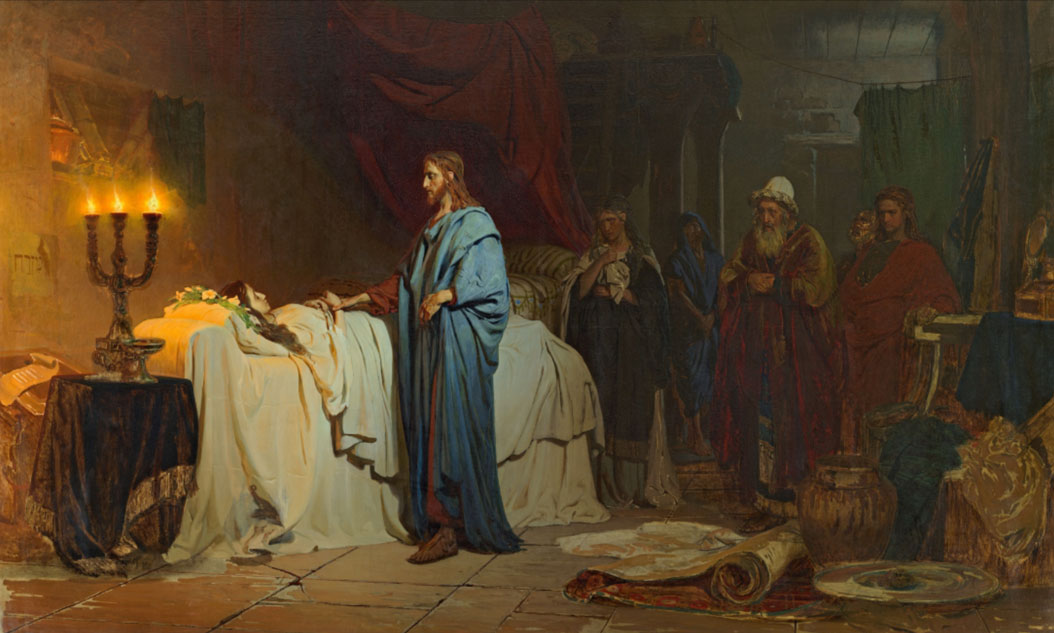
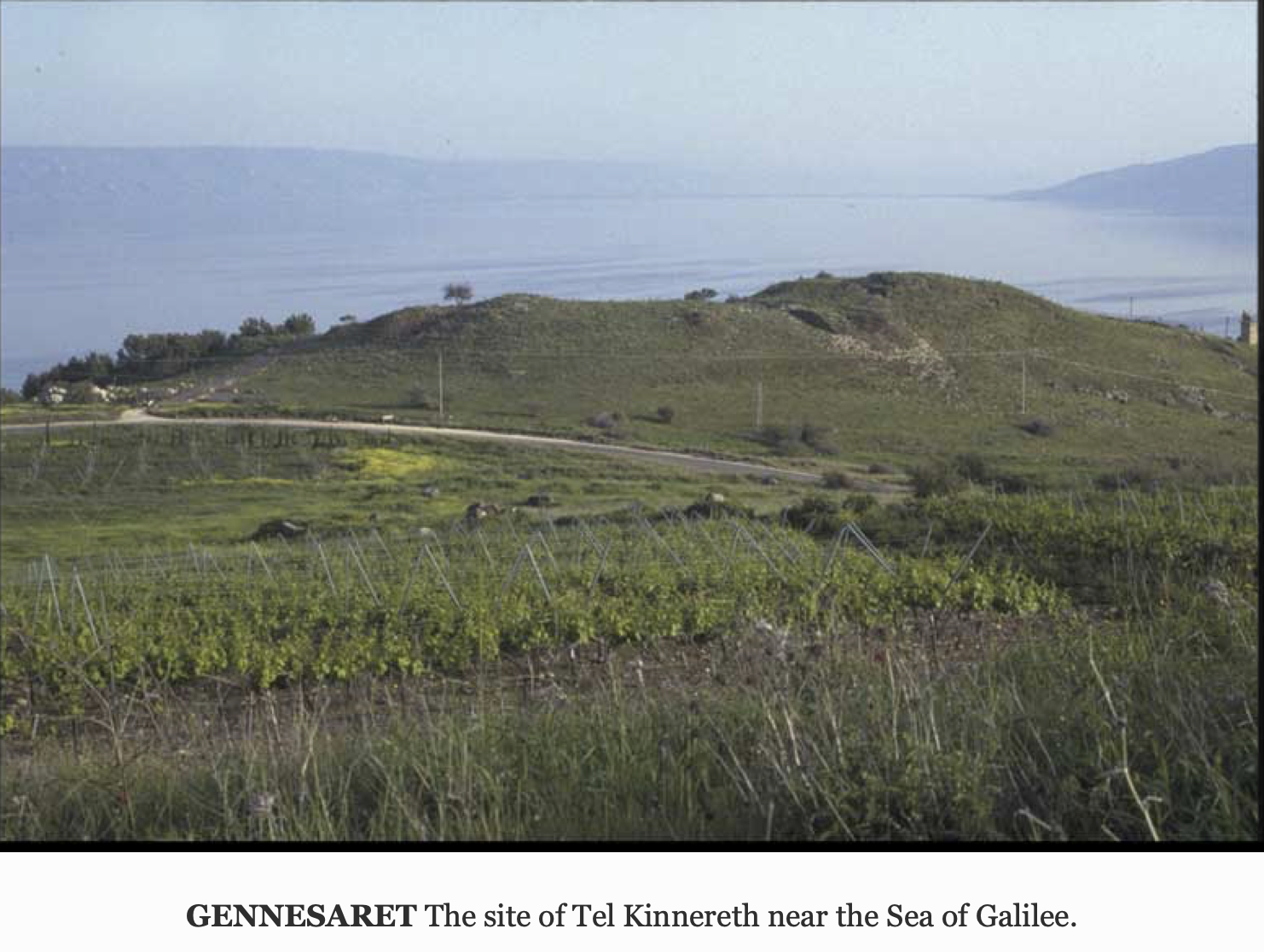
Having entered the boat with His disciples, the Lord Jesus Christ sailed back to the opposite western bank of the Gennesaret Lake, where the town of Capernaum was situated. Here, crowds of people awaited Him, among them there was Jairus — one of the synagogue’s leaders — whose daughter, who was only twelve-years-old, was about to die. Although the leaders of the synagogue belonged to the party, hostile to Jesus (John 7:47-48), he apparently had heard about the many miracles performed by the Lord and perhaps, having witnessed the healing of the Capernaum centurion’s servant, was enlightened with hope that Jesus would heal his daughter. Although Jairus did not possess such faith for which the Centurion was praised by the Lord, He nevertheless went to the synagogue leader’s house and to lay His hands on the dying girl upon Jairus’s request. Seeing this, the crowd streamed after Him with especial curiosity towards Jairus’s house, and as everyone wanted to be close to the Great Wonder - worker, everybody jostled Him.
One woman, who suffered from a flow of blood for 12 years and had lost all hope to be cured, made her way behind Jesus and unnoticeably touched His clothing. According to the Law of Moses, the women having such a disease were regarded as unclean and were obliged to stay home. They are not permitted to come into contact with anyone (Lev. 15:25-28). However, that miserable woman had such fervent faith in the Lord Jesus Christ that she decided to leave the house and touch His clothing, being sure that only a touch would give her the total cure. And her faith was just: she was cured instantly as she felt the source of the flow of blood to desiccate. Saint Mark gives the most detailed description of this event. He tells that as Jesus felt His strength leaving Him, He asked those surrounding Him: “Who touched My clothes?” (Mark 5:30; Luke 8:45) Of course, He knew who did that, and posed the question for the people’s edification in order to reveal the faith of that woman in front of them, and the miracle that followed because of that faith. The woman, realizing she could not hide, fell before the Lord’s feet and exposed the truth to everybody. According to the understanding of the Jews, in entering the crowd and making every person that she had to touch unclean, she committed an offence; consequently, she awaited in fear and trepidation the condemnation of her act, but the Lord calmed her: “Daughter, be of good cheer; your faith has made you well. Go in peace” (Luke 8:48; Mat. 9:22 and Mark 5:34).
During that time Jairus’s daughter had died, and someone of the family came with that sad message and to request not to burden the Teacher unnecessarily. Seeing the despair of the grief-stricken father, the Lord calmed him: “Do not be afraid; only believe, and she will be made well” (Luke 8:50; Mark 5:36). Arriving at the house, they found there the professional mourners invited to cry over the dead. Such type of mourning over the dead usually went on for 8 days, and over a well-known person — one month; flutes and pipes accompanied it. The Lord said to Jairus and his domestics: “Do not weep; she is not dead, but sleeping” (Luke 8:52; Mat. 9:24 and Mark 5:39). These words cannot be understood in the literal sense, just as about Lazarus, having reposed 4 days in the coffin and commencing to decompose, the Lord said that he had fallen “asleep” (John 11:11-14), and only later added: “Lazarus is dead”. The real death of the girl was so obvious to everyone that they began to laugh at Jesus. Because such a great miracle could only be witnessed by those worthy and capable of evaluating this mystery of the Divine omnipotence, the Lord directed that everybody should leave the room, except for His 3 Apostles — Peter, James and John — and the parents of the dead girl. Taking the girl’s hand, the Lord calls, saying: “Talitha, cumi”, which means: “Little girl, I say to you, arise!” (Mark 5:41; Mat. 9:25 and Luke 8:54), resurrecting her immediately. With that, notwithstanding the long period of her grave illness, she was so strong that she began to walk as a healthy one. Everyone was amazed, and the Lord directed that she should be given some food so as to convince her parents, that before them was their real daughter — and not a ghost of the dead. According to His custom, the Lord banned spreading the news about the miracle.
The Healing of Two Blind Men. (Mat. 9:27-34).
When the Lord left Jairus’s house, a crowd of people followed Him. Among them were two blind men, who were crying out: “Son of David, have mercy on us!” The Lord as if did not pay any attention to those cries, apparently aiming to test the faith of the two that were calling Him Son of David, i.e., the Messiah. Only when the Lord reached the house (of an unnamed owner), He asked the blind men, who were appealing to be cured, if they believed that He could cure them. Having received the affirmative answer, the Lord touched their eyes, and they opened. As in all such cases, the Lord strictly forbade them to speak of that miracle. However, moved by joy and their gratitude to their Healer, they could not restrain themselves and “spread the news about Him in all that country”.
Just after the cured men left, the mute, possessed by the evil spirit, was brought to Jesus. The possessed could not plead for himself as the evil spirit took power of his tongue. Therefore, the Lord did not inquire (as He usually did) of him if he had faith, but commanded the demon to leave him, and the ability to speak came back to the man. Amazed, the people declared that nothing like that had ever happened among the Israelites, while the Pharisees, intending to demean this effect that was created by the miracle, were saying that Jesus was casting out demons through the power of the prince of demons, i.e., the devil.
The Healing of a Woman with a Flow of Blood and the Resurrection of
Jairus’s Daughter. The Healing of Two Blind Men.
The Healing of Two Blind Men. (Mat. 9:27-34).
The Healing of the Capernaum Centurion’s Servant. (Mat. 8:5-13)
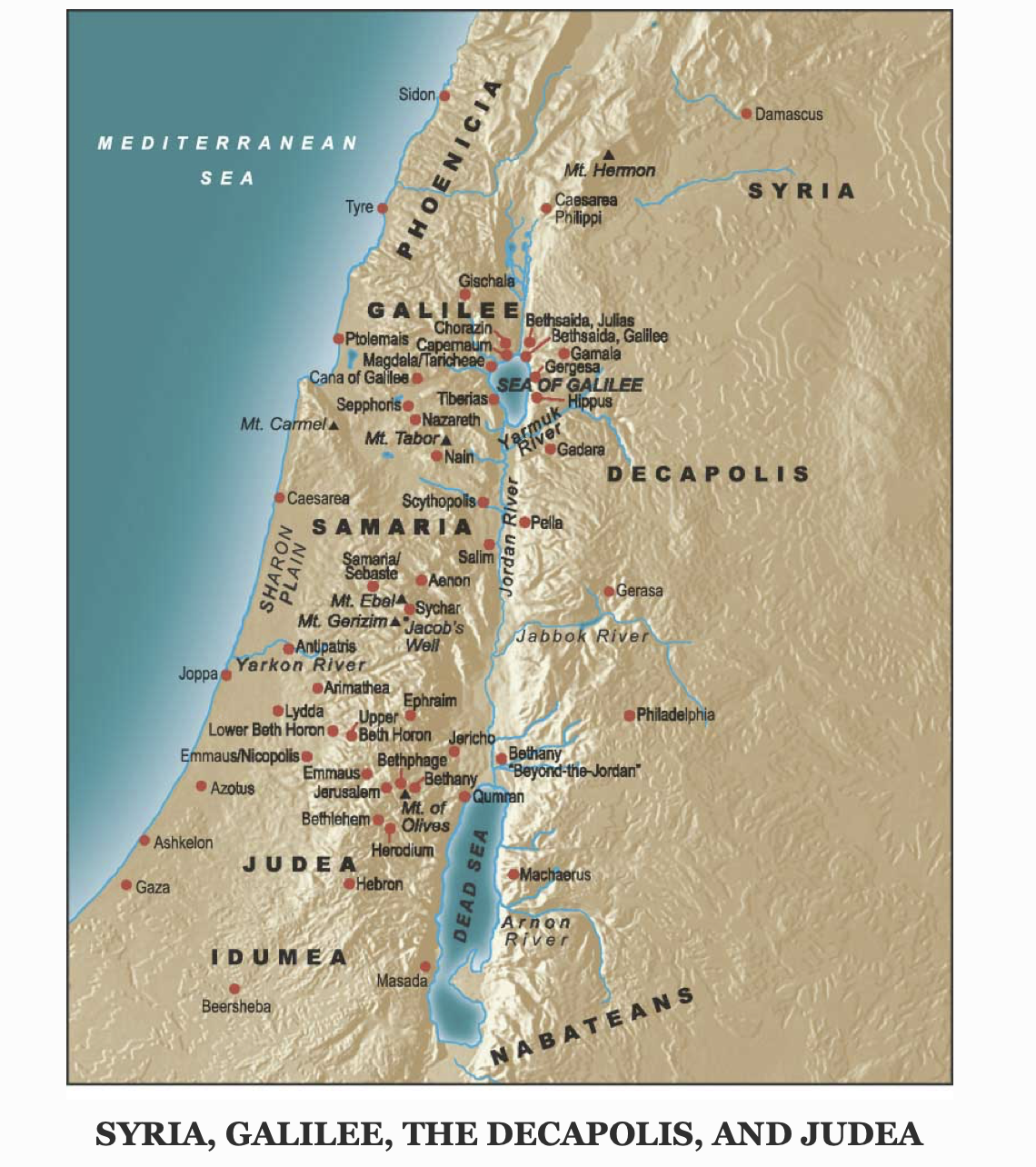
Following this, the Lord went to Capernaum where, once again, He performed a miracle of distant healing of the Roman centurion’s servant, who was, as it seems, in charge of the local garrison of 100 soldiers. Some of the cities in Palestine, under the authority of the Roman Empire, were guarded by military garrisons of Romans, stationed for their protection. Although the centurion was a heathen by birth, he was disposed towards the Jewish religion, as the local synagogue was built by him. According to Saint Matthew, his servant suffered greatly from the paralysis, while according to Saint Luke — who tells about this case in more detail - states that he was even close to death.
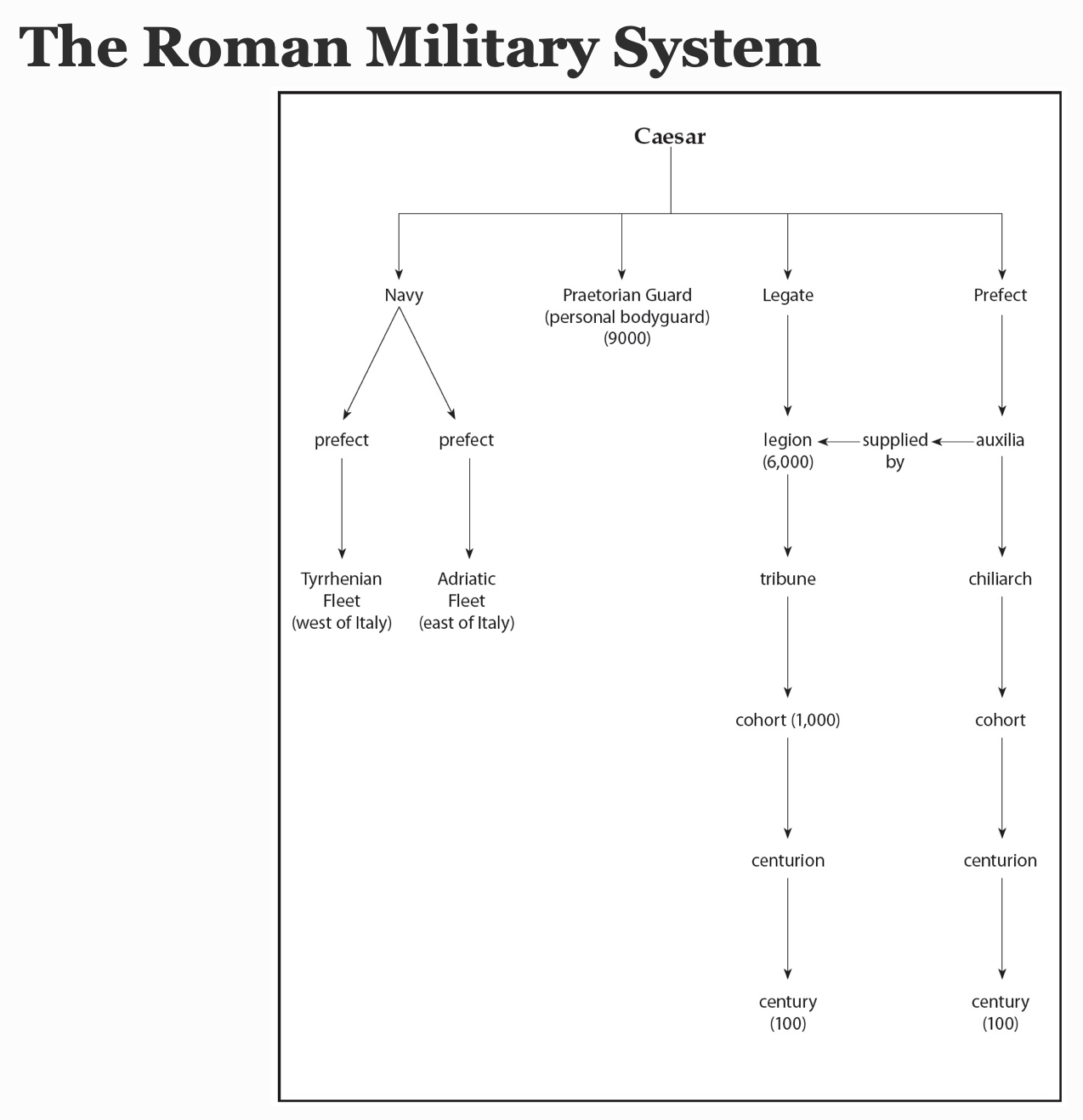
Initially, the centurion sent word to the Jewish elders with a request to come and heal his servant. Then, he sent his friends and finally — as Saint Matthew writes — he himself went out to meet the Lord, Who was approaching his house. His words: “Lord, do not trouble yourself, for I am not worthy that You should enter under my roof. Therefore, I did not even think myself worthy to come to You. But say the word, and my servant will be healed” (Luke 1:6-7) sounded so unusual for a heathen in terms of faith and humility, that the Lord — as both the Evangelists tell — “marveled” and considered it necessary to emphasize before those that were present, that He did not find such faith even among the representatives of God’s chosen people — the Israelites. Further, as Saint Matthew alone tells, the Lord refutes the Jew’s opinion that only they can be the members of the Messiah’s Kingdom. He also foretells that many of the heathens “from the east and west” — together with the Old Testament forefathers — will be found worthy to inherit this Kingdom, while at the same time, the “sons of the Kingdom”, i.e., the Jews, will be cast down into the absolute darkness, where “there will be weeping and gnashing of teeth” (Mat. 8:12) for their disbelief in the arrived Messiah. As in many of the Lord’s sayings and parables, the Kingdom of Heaven is presented as a supper, or feast, at which (in the East) people did not sit but reclined. The guests who did something wrong, were led outside from the banquet room, where was the supper, into the outside (absolute) darkness, into the cold, opposite to the warm and light room — where those driven out, gnashed their teeth from cold and sorrow; this image, understandable to everyone, was to give a more visual presentation of the eternal torment of sinners in hell. The faith and humility of the centurion were instantly rewarded, as soon as the Lord pronounced: “Go your way; and as you have believed, so let it be done for you” (Mat. 8:13).
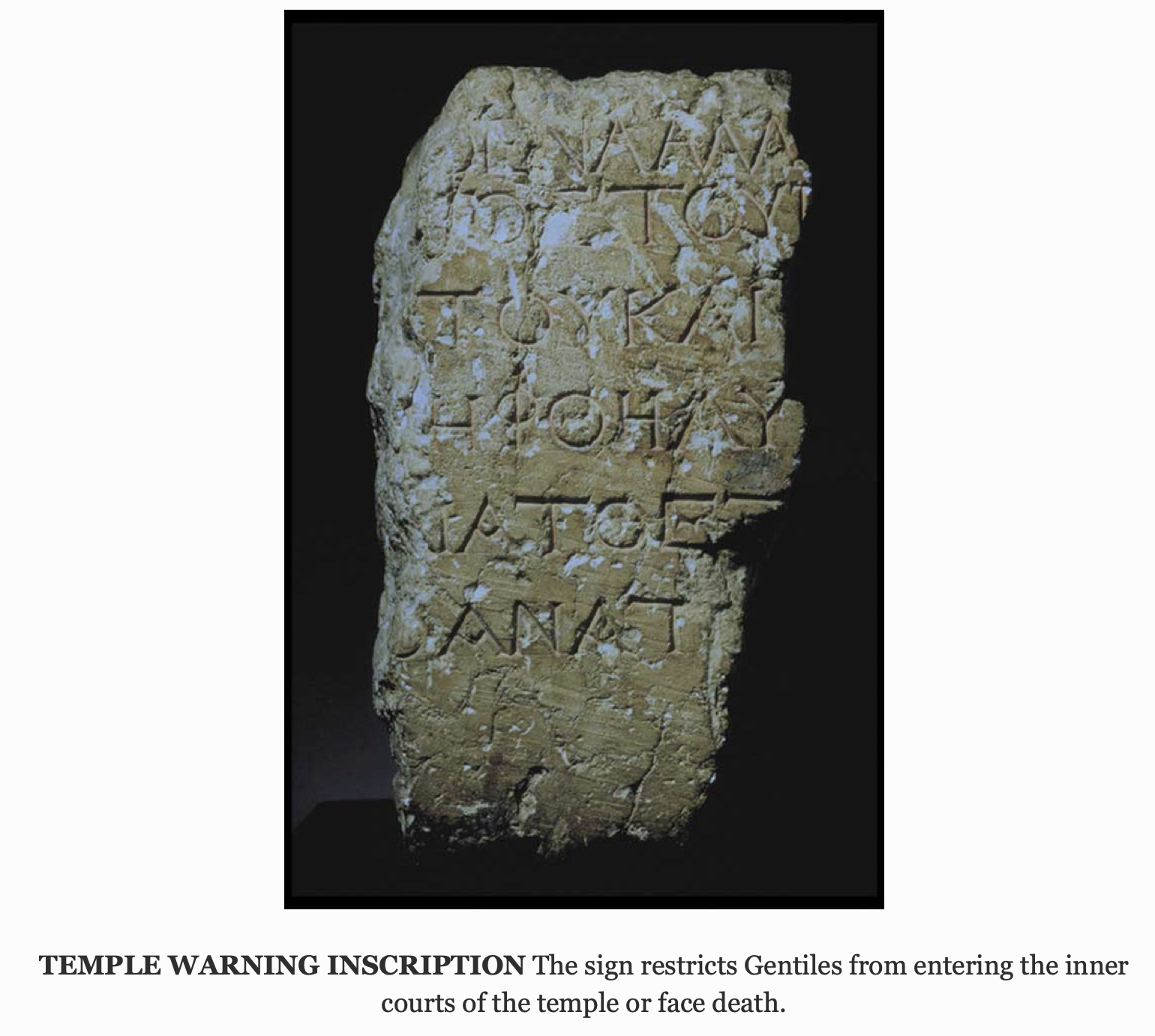
The Resurrection of the Nain Widow’s Son. (Luke 7:11-17).
Only Evangelist Luke describes this event, connecting it with John the Baptist’s subsequent dispatch of his followers to Jesus Christ.
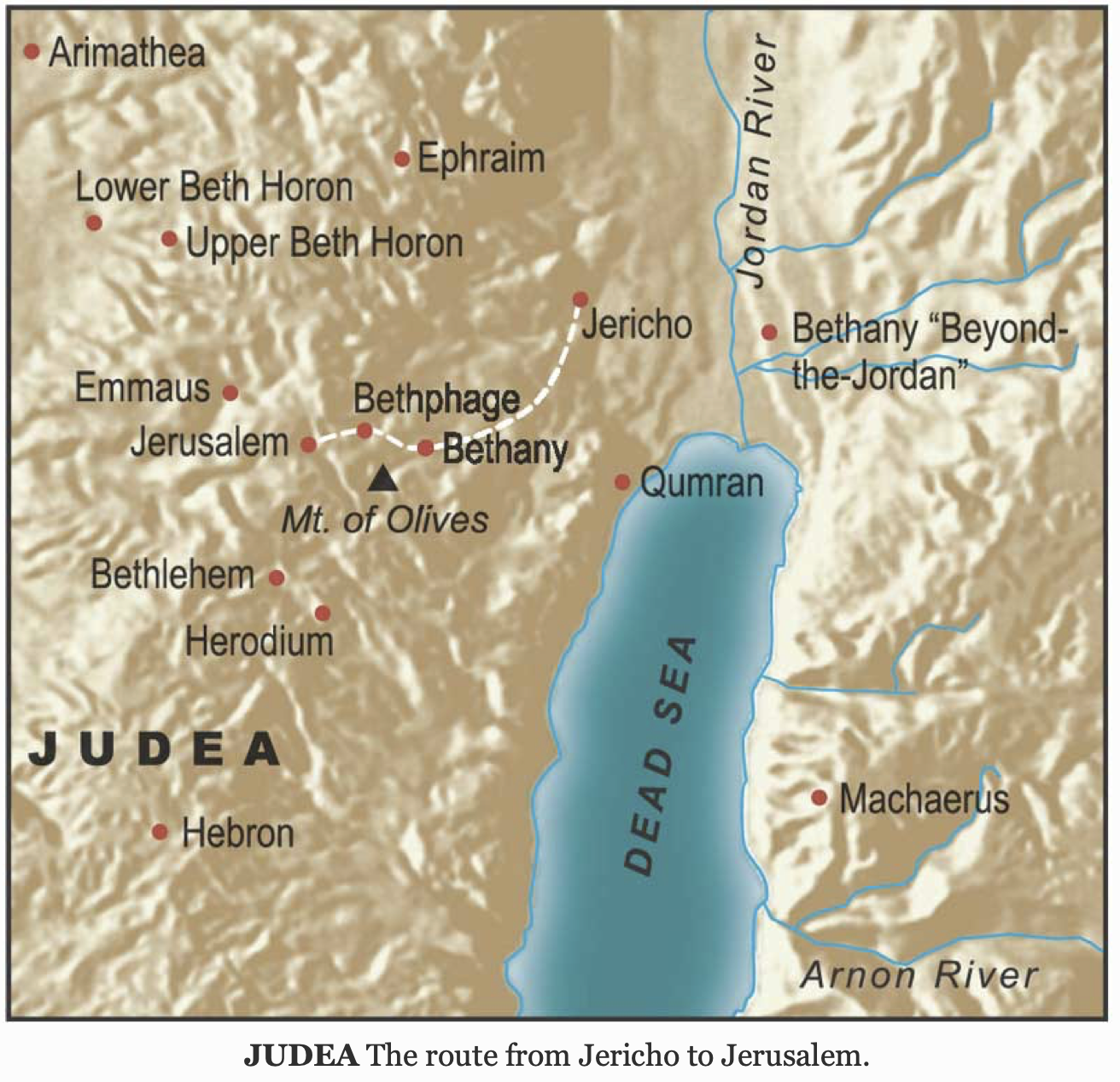
The Lord traveled from Capernaum to the town called Nain, which was located close to the southern border of Galilee, on the northern side of the mount Minor Hermon, in the former territory of the Issachar tribe. The Lord was accompanied with His disciples and a multitude of people. In ancient times, the cities were ringed by solid walls for their protection against their enemies, so that one could enter and exit the city only through one gate. And here at such a city gate, the Lord came across a funeral procession; a deceased youth, the only son of a widow, was being carried out of the city. Seeing the extreme grief of the woman, the Lord had mercy on her. He said: “Do not weep” and touched the open coffin where the youth lay, giving by that a sign for the procession to stop, and resurrected the youth with the words: “Young man, I say to you, arise”.
Everybody became gripped with fear, but still, none of those who saw the wonder acknowledged Jesus as the Wonder-Worker Messiah, regarding Him only, as a “great prophet”, and this opinion spread throughout the whole Judea and its suburbs.
The Healing of the Capernaum Centurion’s Servant. (Mat. 8:5-13) The
Resurrection of the Nain Widow’s Son. (Luke 7:11-17).
The Healing of the Possessed and the Exposure of the Pharisees. (Mat. 12:22-37; Mark 3:20-30; Luke 11:14-23).
The Lord heals the possessed, in which muteness and blindness accompanied the demon’s presence, and all the people marvel at this miracle. Wishing to eliminate among the people all discussions about Jesus being Christ (i.e., the Messiah), the Pharisees began to spread rumors that He expulses demons with the power of Beelzebub — the prince of demons — that He Himself has the unclean spirit (Mark 3:30), even calling Him Beelzebub (Mat. 10:25). The Lord responded to this with a questioning supposition: would satan begin to destroy his own kingdom? “Every kingdom divided against itself is brought to desolation” (Mat 12:25; Luke 11:17; Mark 3:24). In the devil’s kingdom, there should be the unity in authority and action, and consequently satan is incapable of acting against himself. “And if I cast out demons by Beelzebub, by whom do your sons cast them out?”— said the Lord (Mat. 12:27; Luke 11:19). Here, the word “sons” means both the Apostles, having received the power from Christ to expulse demons, and the disciples of the Pharisees that practiced exorcism, and that individual, about which the Apostles said to Christ, that he expulses demons with His name, while not being with Him (Mark 9:38; Luke 9:49).
“Therefore they (sons) shall be your judges” (Mat. 12:27; Luke 11:19), i.e., they will reveal their premeditated lies on the Judgment Day. “But if I cast out demons by the Spirit of God, surely the Kingdom of God has come upon you” (Mat. 12:28; Luke 11:20); here the Lord means that the Kingdom of God arrived, instead of the kingdom of satan, who is fleeing from the world, being pursued by Christ: expulsing demons, the Lord proves that He has “bound” the “strongest” — satan. The Lord then adds the following thought: “He who is not with Me is against Me, and he who does not gather with Me, scatters abroad” (mat. 12:30; Luke 11:23). In Christ’s Kingdom: he, who is not with Him, is hostile to Him because he brings division into the united “house” under one authority. It is different, when a person is not yet in Christ’s Kingdom, yet has not been called there; then, he at least should not be against Christ, is not in unity with the world that is hostile to Christ. Such a person already partly belongs to Christ: he can have one goal with Him and enter His Kingdom. But the one, who is not with Christ in His struggle with satan in gathering all the people into God’s Kingdom, is against Him, for anybody, who, hearing and understanding Christ’s teaching, does not join Him, is already His enemy, and especially the one who goes against Him.
The conclusion from this is: “Every sin and blasphemy will be forgiven men, but the blasphemy against the Spirit will not be forgiven men. Anyone who speaks a word against the Son of Man, it will be forgiven him, but whoever speaks against the Holy Spirit, it will not be forgiven him, either in this age or in the age to come” (Mat. 12:31-32; Mark 3:28-29). God’s mercy is eternal, and there is no sin that could defeat it: but anyone that stubbornly rejects this very mercy, who stubbornly opposes the very saving grace of God, will obtain no mercy and his sin remains unforgiven, and such a person perishes. This intentional opposition to the saving grace of God, which is the grace of the Holy Spirit, the Lord calls blasphemy against the Spirit. This was clearly expressed in the fact that the Pharisees dared to call the almighty works of God the works of the devil. Why it happens that there is no forgiveness for this sin “either in this age, or the age to come?” That is because, if a person rejects the evident actions of the Holy Spirit’s saving grace, he would not be able to evoke the feeling of repentance, without which there is no salvation. If a person blasphemes against Christ, seeing Him in a humbled state, that sin will be forgiven, for this is a simple error, easily washed out through repentance.
This was not the case with the stubborn opposition against the actions of God’s saving power, which was noted by the Pharisees and was far from repentance.
The Lord’s Answer to Those, Waiting for the Signs from Him. (Mat. 12:38-45; Luke 11:29-32, 24-26)
The Jews were tempted by Jesus Christ’s humbleness and they were demanding a sign from Him, which would clearly indicate His Divine worthiness of the Messiah. Those miracles which Christ performed through His love for suffering people, on prayers of some individuals, were not enough for them. They wanted to see “a sign from Heaven” (Mat. 16:1). Like enemies, they hypocritically ask for signs and He therefore calls them as “evil and adulterous generation” (mat. 12:39; Luke 11:29), in the sense that they are not faithful to God. At this unfaithfulness pointed already the Prophets, presenting the Jews’ idolatry in the form of unfaithfulness to God — adultery (Exod. 57:3; Ezekiel 16:15, 23-27). The Lord tells them that they will not be given any signs, pointing to the greatest miracle in the past and placing it as a symbol of the new: the preservation of Prophet Jonah in the bowels of a whale during 3 days; similarly, Jesus, upon His physical death, will resurrect in three days. Actually, Christ spent one day and two nights in the tomb, but in the East there always existed the tradition to count the part of a day or night as a whole (e.g., 1 Kings 30:12; Genesis 42:17-18; 2 Chron. 10:5-12, and others). The Ninevians — the inhabitants of the city Nineveh, capital of the Assyrian kingdom on the bank of the Tiber river (to the north of Babylon) — who repented as a result of Prophet Jonah’s sermon, will judge the Jews at the Last Judgment for not accepting their Messiah’s sermons, and because of their stubbornness did not want to repent. Queen Sheba of the south, who came from Arabia, also will judge the Jews, because she came from far way to listen to the Wisdom of Solomon, while the Jews did not want to listen to the Very Incarnated Divine Wisdom, Which was “greater than Solomon”.
A Woman Glorifies the Mother of Jesus. (Luke 11:27-28; Math. 12:46-50; Mark 3:31-35; Luke 8:19-21).
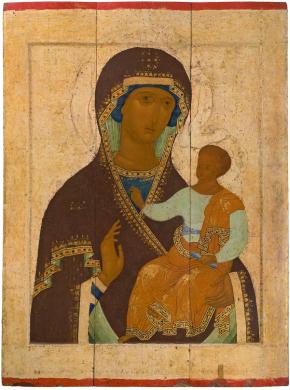
One woman was so astonished by the Lord’s sermon that she could not curb her delight, and publicly glorified Him and His Ever-Pure Mother, Who was outside their house with his brothers (Mat. 12:46 and Mark 3:31).
“Blessed is the womb that bore You, and the breasts which nursed You” (Luke 11:27), or in other words: blessed is the One, Who gave birth and brought up such a Teacher. At this point of time, commences the glorification of the Mother of God in fulfillment of Her own prediction: “Henceforth, all generations shall call Me Blessed”. The Lord always nurtured gentle feelings towards His Mother, and even when He was crucified, was still concerned about Her and charged His beloved disciple, Apostle John to care about Her. However, at this moment, in saying His exhortations to the people, He showed them that the fulfillment of the Heavenly Father’s will is greater than His family feelings: “Whoever does the will of My Father in Heaven is My brother and sister and Mother” (Mat. 12:50; Mark 3:35; Luke 8:21).
The mention here of Christ’s brothers in some sections of the Gospel, are named as: James, Josses, Simon and Judas (Mat. 13:54-56).
The Healing of the Possessed and the Exposure of the Pharisees. The Lord’s
Answer to Those, Waiting for the Signs from Him. A Woman Glorifies the Mother of Jesus.
The Lord Jesus Christ’s Teaching in Parables.
The Lord Jesus Christ’s Teaching in Parables.
1. About the Sower;
2. About tares;
3. About the invisibly growing seed;
4. About the mustard seed;
5. About the leaven;
6. About the treasure hidden in the field;
7. About the precious pearl;
8. About the dragnet, cast into the sea.
The word parable is made up of two Greek words: “paravoli” and “parimia.” In the literal translation, the word “parimia” means “a brief statement that express the rules of life” (such for example, are the parables of Solomon); “paravoli” — is a story, containing the concealed meaning, that express the higher spiritual truth through the images, taken from everyday life. Correctly speaking, the Scripture’s parable is a paravoli.
Saint John Chrysostom explains: “The Lord spoke in parables to make His words more expressive, to imprint them in the memories of the listeners and present the actual matters visually”. The Lord’s parables are the allegorical teachings, images and examples, taken from everyday life of the Jewish people and from the surrounding nature.
In the fact that the Lord spoke in parables, Saint Matthew sees the fulfillment of Asaph’s prophecy: “I will open my mouth in a parable” (Psalm 77:2). Although Asaph was saying that about himself, but being a prophet, he was a symbol of the Messiah, which can be seen from the following words of the same verse: “I will utter dark sayings of old”, which only befits the Omniscient Messiah, and not a mortal individual. The concealed mysteries of God’s Kingdom are of course, known only to God’s hypostatic Wisdom.
The Parable about the Sower. (Mat. 13:1-23; Mark 4:1-20; Luke 8:4-15).
In this parable, the Lord envisages Himself as being the Sower, the seeds, as the preached by Him Divine Word and the soil upon which they are sown, as the hearts of the listeners. The Lord cogently reminded them of their native fields — interrupted by the road running through them, some sections of which were overgrown with thorny bushes (brambles), while the others were covered with only a thin layer of the ground. The sowing is a magnificent example of preaching God’s Word, which, falling into the heart, remains either fruitless or brings a fruit, greater or lesser — depending on its state.
“For whoever has, to him more will be given, and he will have abundance; but whoever does not have, even what he has will be taken away from him”, — repeatedly mentions the Lord throughout the different sections of the Gospel (e.g., Mat. 13:12, 25:29; Luke 19:26 etc.). The meaning of this saying is that with the effort, a rich person becomes richer, while a poor individual, if he is lazy, loses even what little he has. In the spiritual sense it means: you, the Apostles, already gifted with the knowledge of God’s Heavenly mysteries, are able to penetrate into these mysteries further and further, understand them more completely. At the same time, the people would lose even their sparse knowledge of those mysteries which they had retained if, with the revelation of those mysteries, they were not given the assistance through the sermon that was more appropriate for them. Saint John Chrysostom explains it this way: “He, who wishes and strives to obtain the gifts of grace, God Himself would grant everything; but he, who has neither a wish, nor effort, would not have any profit from that what he seems to have”. The one, whose mind is darkened and heart — hardened to such an extent that he does not comprehend God’s Word, this Word settles on the surface of the mind and heart, not taking root, as the seed along the road, exposed to every passer-by, and the sly one — satan or a demon — entices it and makes the heard fruitless. The stony surfaces are those who, while interested in the Gospel’s sermon as with the good news — at times even sincerely and with the open heart, finding pleasure in the sermon, still have their hearts cold, hard and immovable, like a rock. Such people are incapable of changing their life-style, leaving their beloved, habitual sins for the sake of the Gospel’s demands and commence the struggle against temptations, tolerating sorrows and deprivations for the sake of the truth of the Gospel’s teaching. In their struggle with temptations, they become tempted, fall in the spirit and betray their faith and the Gospel. The ground with thorns represents the people’s hearts that are entangled with passions: to the wealth, delights, and the earthly blessings in general.
The good and fertile soil represents the people with kind and pure hearts, who hearing the Word of God firmly decided it to be the guide of their lives and to bring the fruits of virtues. “The kinds of virtues are different, just as are different those who succeed in the spiritual wisdom” (Blessed Theothylactus).
The Parable about the Tares. (Mat. 13:24-30).
“The Kingdom of Heaven” is the earthly Church, established by the Heavenly Founder and leading people towards Heaven. “The Kingdom of Heaven is like a man who sowed good seed in his field”. “But while men slept” — i.e., during the night, when things can be done in secret, hidden from everyone — what indicates the cunningness of the enemy
“his (people’s) enemy came and sowed tares among the wheat and went his way”. Tares are called the weeds which, while they are small, very much resemble wheat. But when they are fully-grown and begin to differ from wheat, pulling them out poses a serious threat to the roots of wheat-stalks. The Teaching of Christ is being sown all over the world — but so does the devil, sowing the evil among the people with his temptations. In the extensive field of the world, everybody lives together: both the worthy sons of the Heavenly Father (wheat) and the sons of the sly one (tares). The Lord tolerates the latter, leaving them until the “harvest time,” i.e., until the Dread Judgment, when the inhabitants — God’s Angels — would gather all the “tares” and cast them into the fiery stove for the eternal hellish torture. The Lord will then direct the “wheat” to be gathered for His granary, i.e., into His Heavenly Kingdom, where the righteous will shine like the sun.
The Parable about the Invisibly Growing Seed. (Mark 4:26-29).
The Kingdom of Heaven is like a seed that having been thrown into the ground invisibly grows by itself. This inner process of that can be neither grasped nor understood: how from a tiny seed the whole plant emerges — nobody knows. Similarly, the transfiguration of the human soul, performed with the power of God’s grace, can be neither grasped nor understood.
The Parable about the Mustard Seed. (Mat. 13:31-32; Mark 4:30-32; Luke 13:18-19).
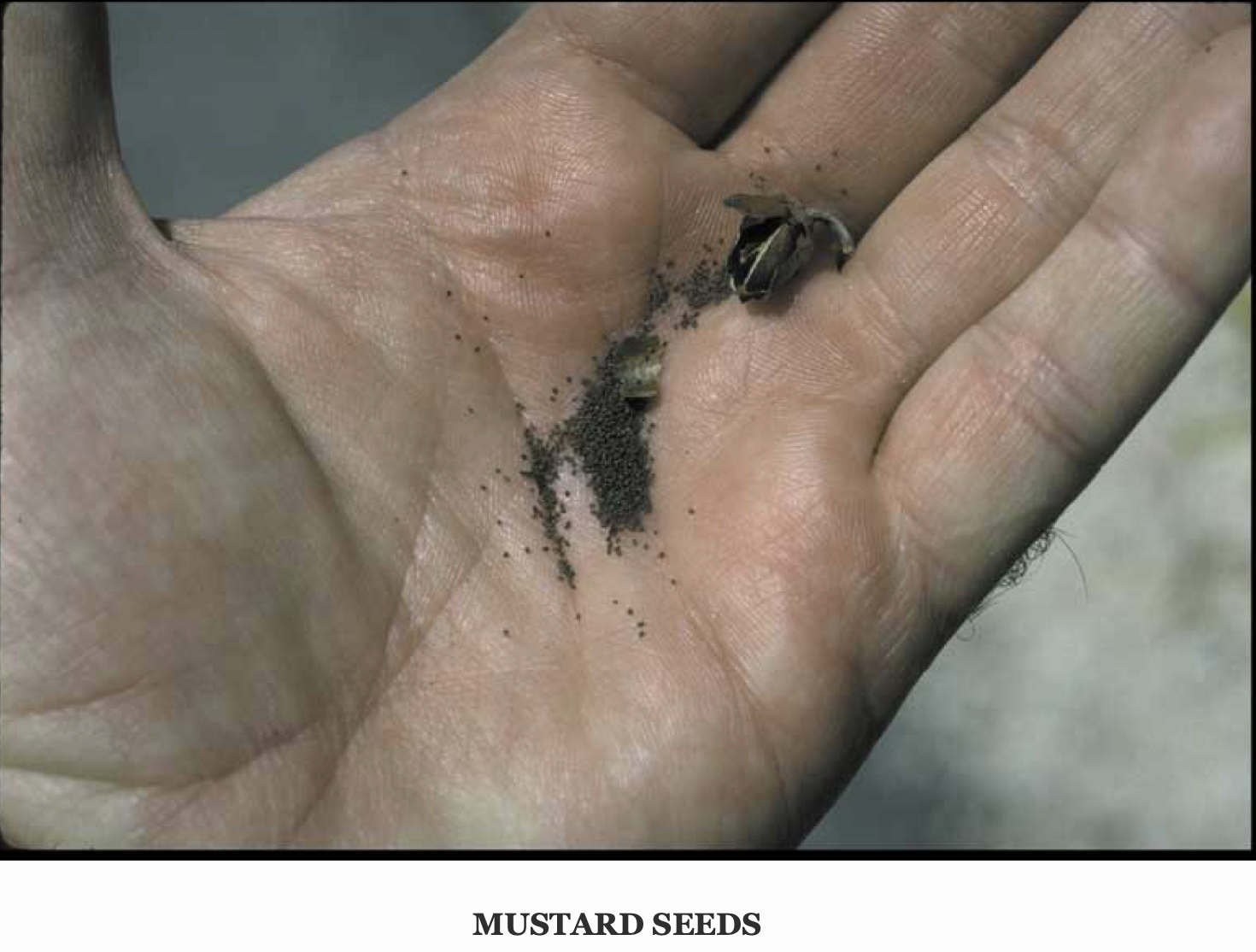
In the East, a mustard tree can reach the enormous size, although its seed is that small that the Jews even had a saying: “Tiny, as a mustard seed”. The meaning of the parable is in that, although the beginning of God’s Kingdom is evidently small and insignificant, the power concealed in it overcomes all the obstacles, and is capable of transforming it into the great and worldwide kingdom. St. John Chrysostom comments: “With this parable, the Lord wanted to show the way in which the Gospel’s sermon will be spread. Although His disciples were the most helpless of all and the most humble, but because they possessed the great hidden power, it (the sermon) spread throughout the whole universe”. Christ’s Church, small in the beginning and unnoticeable to the world, expanded on the earth in such a way, the multitude of nations shelter under its canopy, that like birds in the branches of a mustard tree. Precisely the same thing occurs with the soul of every individual: God’s winnowing grace, initially hardly perceptible, envelopes the soul more and more until it becomes the receptacle of various virtues.
The Parable about the Leaven. (Mat. 13:33-35; Mark 4:33-34; Luke 13:20-21).
The parable about the leaven has the same meaning. “Like the leaven — says Saint John Chrysostom — that transfers its properties to a great amount of flour, so will you (the Apostles) transfigure the whole world”. Likewise in the soul of every individual member of Christ’s Kingdom: the power of grace invisibly, but gradually and actively starts to possess all the powers of his spirit, and sanctifying, transfigure them. Some interpret the three measures as being the three powers of the soul: the mind, feeling and will.
The Parable about the Treasure Hidden in the Field. (Mat. 13:44).
A person learns about the treasure, buried in a field that did not belong to him. In order to make use it, he sells all that he owns, buys the field and becomes the possessor of the treasure. Similarly, to the wise, God’s Kingdom presents itself as a treasure in the sense of the inner enlightenment and spiritual gifts. Having concealed the similar treasure, a follower of Christ sacrifices everything and rejects everything in order to possess it.
The Parable about the Pearl. (Mat. 13:45-46).

The meaning of this parable is the same as that of the preceding one: in order to acquire the Heavenly Kingdom as the greatest treasure, it is necessary to sacrifice everything, all the wealth which one possesses.
The Parable about the Dragnet, Cast into the Sea. (Mat. 13:47-50).
This parable has the same meaning as that of wheat and tares. The sea is the world, the dragnet is the teaching on faith, the fishermen are the Apostles and their successors. The “dragnet” represents people of all kind: the barbarians, Hellenes, Jews, fornicators, publicans, robbers. The beach and the sorting of fish are understood like the end of the world and the Dread Judgment, when the righteous will be separated from the sinners, just like the good fish will be separated from the bad fish, caught in the dragline.
Interpreting the Lord’s parables, one should remember that when He taught through them, He used examples from everyday life of His listeners, and not those imaginary. According to Saint John Chrysostom’s explanation, the Lord acted that way to make His words more meaningful, to envelop the truth in a living image and to fix it deeper in the memory. Consequently, with parables, one has to look for similarities, likeness — but only in the general sense and not in the details — not in every word, taken separately. Naturally, apart from this, every parable has to be understood in the relation with the others, homogenous and with the general spirit of Christ teaching.
The Lord’s Response to Those Hesitating to Follow Him. (Mat. 8:18-22; Luke 9:57-62).
The Lord was surrounded and jostled by people to such an extent, that He was unable to seclude Himself for the prayer and conversation with the Apostles (Luke 4:42) — He did not even have time to eat (Mark 3:20). Then once, the Lord directed to His disciples to sail to the other side of the Tiberias Lake. When they were ready to enter the boat, a Scribe approached the Lord, expressing his desire to follow Him, wherever He went. Wishing to warn the Scribe that he, probably, was about to undertake the task that was beyond his capabilities, the Lord reminded him about His nomadic type of life: “Foxes have holes and birds of the air have nests, but the Son of Man has nowhere to lay His head” (Mat. 8:20; Luke 9:58); i.e., the Lord wanted to say that He had no place where He could seclude and rest from His labors.
Calling Himself “the Son of Man”, the Lord humbly underlines His human nature. Also, for those aware of Daniel’s prophecy (7:13-14), He incisively indicates His Messianic worthiness with this name. Apparently, this response made a great impression on the people with the Lord, who already belonged to the number of His disciples. And one of them started to evade the following the Lord at moment, saying that he first had to bury his father, to which the Lord said: “Follow Me, and let the dead bury the dead” (Mat. 8:22; Luke 9:60). The two identical words “dead” and “the dead”, used here, have two different meanings; the first has the meaning of the spiritually dead. The Lord meant that for the sake of the great undertaking, for the sake of the good news of the Kingdom of Heaven, it is necessary to leave everything and everybody who is “dead”, deaf to the word of God, to His great undertaking. It is as though the Lord is saying: leave those who are totally attached to the earthly life to bury their dead, while you, heeding the word of life, which is being preached by Me, follow Me.
Puzzled, not fully understanding the prohibition of giving a last tribute to his deceased father, the Lord apparently wanted to either to test the character and loyalty of this disciple, or to save him from his relatives, who could have distracted him from following Him. Another disciple, not waiting to be called, expressed to the Lord his desire to follow Him. However, first he asks permission to part with his relatives. To this request the Lord replied: “No one, having put his hand to the plow, and looking back, is fit for the Kingdom of God”.
The Casting Out of a Legion of Demons. (Mat. 8:28-34; Mark 5:1-20; Luke 8:26-40).
**
**
Having crossed the lake, Jesus and His disciples arrived in a country lying on its southern bank, which Evangelists Mark and Luke called Gadarenes (after the name of one of its cities, Gadara), while Saint Matthew calls it Gergesenes (after the name of another city, Gergesa); both the cities were among the “Decapolis”.
Two people met them on the edge of the lake, one obviously possessed with an evil spirit. Evangelists Mark and Luke speak of one person, while Saint Matthew — about two. This variance happened most probably due to the fact that one of them was a well-known citizen of Gadara, being in the awful state of demonical possession, while in comparison the other individual was hardly noticed. The nature of possession is in the fact that the demons deprived the man of his conscience, and subduing his mind, control his whole body and spiritual strength, causing him unbelievable tortures through his own actions.
The greatness and omnipotence of the Son of God, concealed from the human sight, but apparent to the evil spirits who have perfect vision, brought them into terror and trepidation. And so, the possessed begin to cry, calling Jesus the Son of God and begging Him not to cause them the intolerable torture, which they experienced because of His closeness. According to the Gospels of Mark and Luke, to Christ’s question what his name was, the most ferocious demon answered: “Legion” (Mark 5:9; Luke 8:30), indicating that countless numbers of demons dwelled in the possessed. The demons begged the Lord “that He would not command them to go out into the abyss” (Luke 8:31) and “that He would not send them out of the country” (Mark 5:10), but instead, permitted them to enter a big herd of swine, grazing nearby at the mountain. We are not that familiar with the nature of the evil spirits to understand why it is essential for them to dwell in the living beings. However, it is characteristic that they chose the most unclean, despised animal in the eyes of the Jews, so that the Lord would not drive them out of the country and thereby, would not deprive them from operating there. The Lord allowed them to enter the herd, and the swine, going mad, threw themselves from the mountain into the sea and drowned. Apparently allowing that, the Lord wanted to enlighten the Gadarenes who, despite the commandments of the Law of Moses, bred swine, and in such large numbers (according to Mark 5:13, nearly 2000).
Together with this, the situation attracted special attention of the inhabitants of that country to the Lord Jesus Christ, for they saw the well- known demonically-possessed, cured and sitting at the feet of Jesus. However, these events still did not enlighten them: they experienced inexplicable terror and, in all probability, misgiving, thinking that the Lord’s further stay might bring them more great losses. Their feeling of regret over the loss of their pigs triumphed over the natural, as it would seem, feeling of gratitude for the miraculous riddance of their country of the possessed — and they asked Him to leave. What huge folly it is on the part of those people who do not wish to have within their boundaries the One, Who came to destroy the devil’s deeds!
Contrary to the usual prohibition of the Lord to broadcast His miracles, on this occasion Christ directs the cured possessed to return to his house and tell them what great things God had done for him.
The Lord’s Response to Those Hesitating to Follow Him. The Casting Out of a
Legion of Demons.
**
**
The Messengers of John the Baptist. (Mat. 11:2-19; Luke 7:18-35).
Saint John the Baptist could not doubt the Divinity of the Lord Jesus Christ (see John 1:32-34). Nevertheless, finding himself in a dungeon, he sends two of his disciples to Jesus Christ with the question: “Are You the Coming One, or do we look for another?” (Mat. 11:3; Luke 7:19). John did not need an answer to this question, but his disciples did, because in hearing much about the wonders of the Lord, they were baffled, why He does not openly proclaim Himself the Messiah, if He was the One indeed. However, the Lord does not give a direct answer, because for the Jews, the name of the Messiah was associated with the aspirations of the earthly glory and splendor. Only the one, whose soul had been cleansed by Christ’s teachings of everything earthly, was worthy to listen and know that Jesus was indeed the Messiah-Christ. That is why instead of a direct answer, the Lord cites Isaiah’s prophecy (35:2-6), directing John’s disciples’ attention to His wonders as to the proof of His Divine Representation, adding: “And blessed is he who is not offended because of Me” (Mat. 11:6; Luke 7:23), or in other words: “Blessed is he who does not doubt in Me, seeing My humble appearance”. And so that people did not think that John himself doubted the greatness of the Lord, after the departure of John’s disciples, the Lord began to speak of John’s high worthiness and ministry as the highest of all the prophets: “Assuredly, I say to you, among those born of women there has not risen one greater than John the Baptist” (Mat. 11:11; Luke 7:28), — these words indicate the superiority of the Christianity over the highest Old Testament righteousness.
“And from the days of John the Baptist until now the Kingdom of Heaven suffers violence, and the violent take it by force. For all the prophets and the law prophesied until John” (Mat. 11:12-13). Here, Christ’s Church of the New Testament is placed opposite to the law and the Prophets, i.e. the Old Testament Church. With John — standing on the border of both the Testaments — the Old Testament having only a temporary, preparatory meaning, ended, and Christ’s Kingdom, into which enters anybody who is taking the pain, opens. Based on the prophecies of Malachi (4:5), undoubtedly concerning Christ’s Second Coming, the Jews were expecting the appearance of Elijah before the Messiah’s coming. But Malachi prophesied only of an Angel, who will prepare the way for the Lord (3:1). The Angel, foretelling Zachariah about the birth of John, said: “He will also go before him in the spirit and power of Elijah” (Luke 1:17); but he would not be Elijah himself. John himself responded in the negative to the question as to whether he was Elijah. The meaning of the Lord’s words: “And if you are willing to receive it, he is Elijah who is to come” (Mat. 11:14) is such: if you understand Malachi’s prophecy on the coming of Elijah before that of the Messiah in the literal sense, then know that the one who had to appear before the Messiah, has arrived: this is John; pay particular attention to My testimony about John and “He who has ears to hear, let him hear!” (Mat. 11:15).
In stating “But to what shall I liken this generation?” (Mat. 11:16; Luke 7:31), the Lord means the Scribes and Pharisees. Like capricious and willful children, they can never be satisfied by their friends. To them, the Pharisees and Scribes that were awaiting the Messiah as the great king-conqueror, the great faster, John — calling them towards lamentation and contrition about their sins — could not please them: similarly, they could not be convinced by Jesus Christ Himself, Who, opposite to John, did not refuse to share His meal with sinners in the hope of saving them. The Lord’s words: “wisdom is justified by her children” (Mat. 11:19; Luke 7:35) are excellently interpreted by Blessed Theothylactus: “When, Christ says, neither John’s life nor Mine pleases you, and you reject all paths for salvation, then I — God’s Great Wisdom — turn out to be right, not before the Pharisees, but before My children.” These “children of wisdom” — the common Jewish people, repenting publicans and sinners, who believed in Christ and accepted His Divine teaching with all their heart; they are the ones who “justified” God and His wisdom, i.e., showed that the Lord had arranged the salvation of the people correctly and wisely. And exactly to them was revealed the wisdom of God, inaccessible to the proud Pharisees.
Forgiving the Sinful Woman in the House of Simon the Pharisee. (Luke 7:36-50).
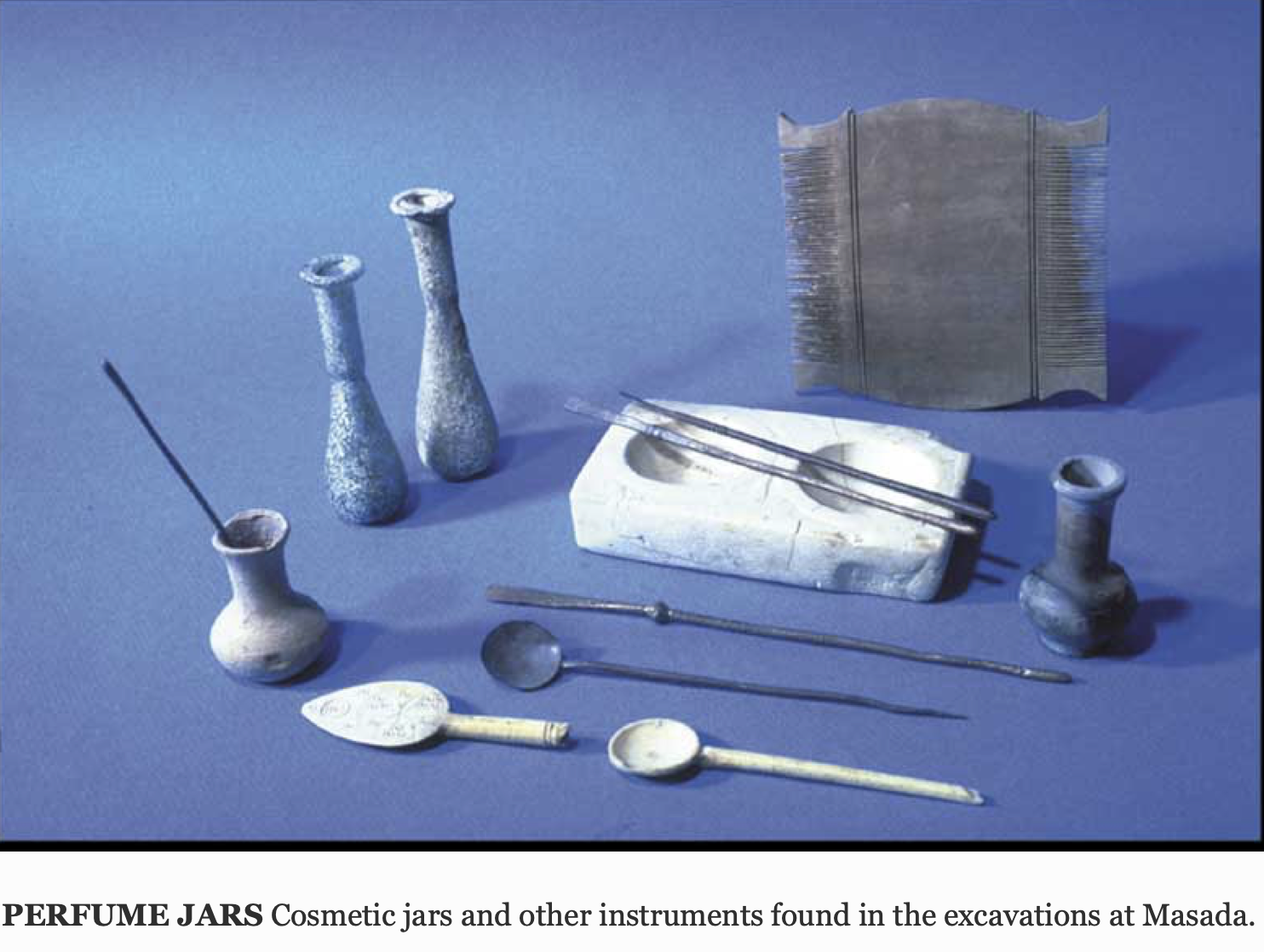
One Pharisee, called Simon, who seemed to be nurturing love for the Lord, although not having the firm belief in Him, invited the Lord for a meal, in order that maybe, plunging into His speech and teaching, to enter into the closer association with Him. A woman, known throughout the town as a great sinner, entered unexpectedly, and having stopped humbly behind the Lord, she bent down to his feet, and seeing that His feet were not washed of the dust of the trip, began to shed floods of tears, washing, in such manner, the feet of the Lord, instead of water, with her tears and wiping them with her hair instead of a towel. Thereupon, kissing His feet, she began to anoint them with the expensive myrrh that she had brought with her. According to the Pharisees’ understanding, a touch of a sinful woman defiles that person, therefore Simon, completely unaffected by the moral conversion that had occurred in the soul of this wanton, does nothing but judge the Lord for accepting these honors, thinking to himself that He cannot be a prophet for He would have known “what manner of woman this is” and would have rejected her.
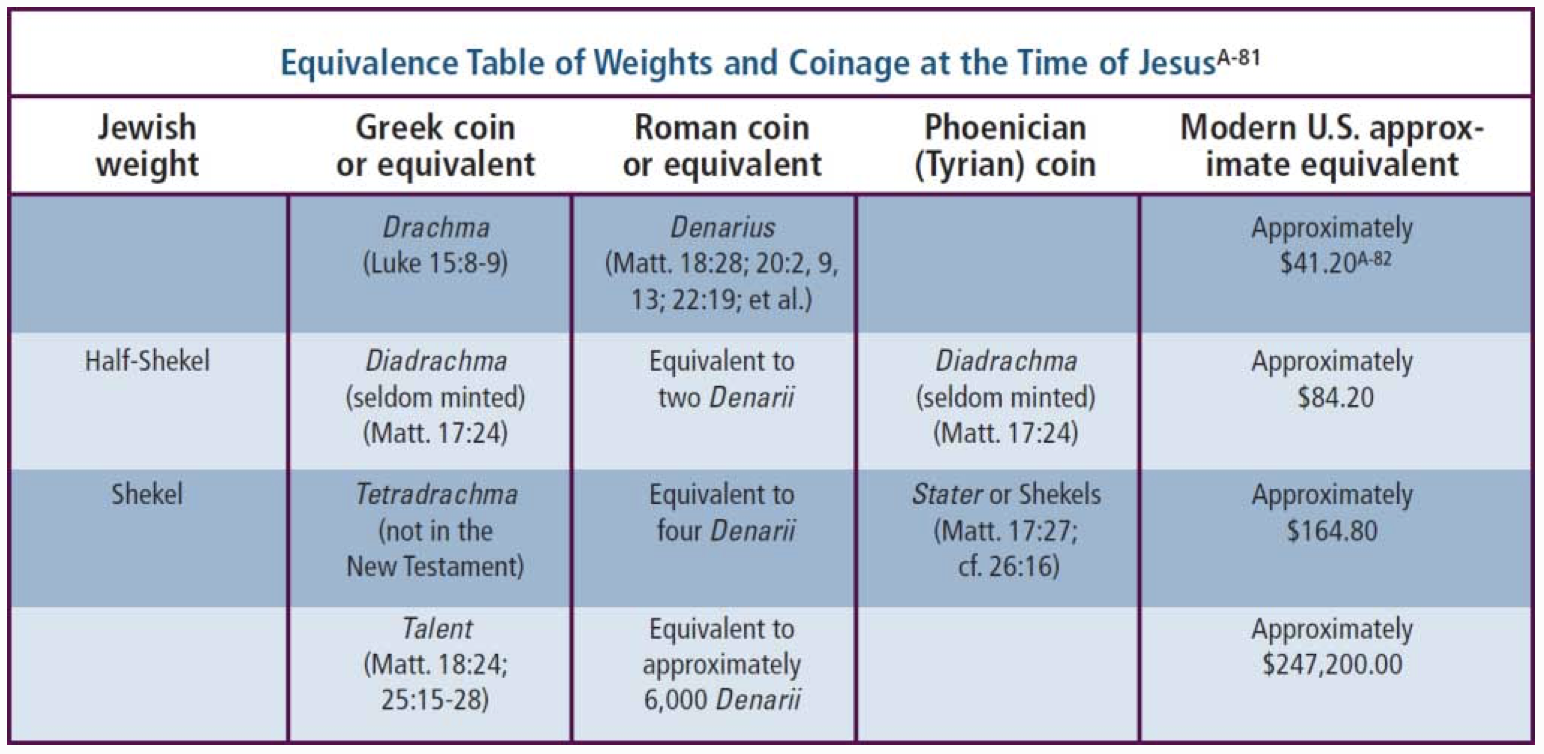
Revealing the hidden thoughts of the Pharisee, the Lord narrated to him the parable about the two debtors. One owed 500 denarii’s while the other — 50 denarii’s. As they did not have the money to pay the lender, he excused both the debts. It is easy to respond to the Lord’s question: who of the two loved the lender more? Of course, the one that was forgiven more. In confirming the correctness of the answer, the Lord adds: “To whom little is forgiven, the same loves little”. According to the context, those words were directed against Simon, who had little love for Christ and was sparse in good deeds — even though he invited Him to his house, he did not demonstrate any signs of attention towards Christ: kissing Him or washing His feet. From the parable, Simon should have understood that in the moral sense, the Lord places the repentant woman-sinner higher than him, Simon the Pharisee, because she showed more love towards the Lord than he did, and for such love her sins were forgiven. The words “to whom little is forgiven…” contain an oblique reference to Simon that because of his disposition towards the Lord, he too is forgiven some debts before God, although much less than the woman-sinner.
The other guests reclining with Simon (evidently, also Pharisees), did not understand the Lord’s words and began to be annoyed internally, that was why Christ sent the woman away with the words: “Go in peace!”
In Orthodoxy, the saint Equal–to-the-Apostles Mary Magdalene is revered according to the Gospel text only - exclusively as a myrrh-bearer, cured of seven demons and appearing only in several episodes of the New Testament. In Catholicism, for a long time it was customary to identify with her the image of the penitent woman-sinner from this episode, as well as to attach extensive material of legends.
The Messengers of John the Baptist. (Mat. 11:2-19; Luke 7:18-35). Forgiving
the Sinful Woman in the House of Simon the Pharisee. (Luke 7:36-50).
The Healing of the Capernaum Centurion’s Servant. (Mat. 8:5-13) The
Resurrection of the Nain Widow’s Son. (Luke 7:11-17).
The Messengers of John the Baptist. (Mat. 11:2-19; Luke 7:18-35). Forgiving
the Sinful Woman in the House of Simon the Pharisee. (Luke 7:36-50).
The Healing of the Possessed and the Exposure of the Pharisees. The Lord’s
Answer to Those, Waiting for the Signs from Him. A Woman Glorifies the Mother of Jesus.
The Lord Jesus Christ’s Teaching in Parables.
The Lord Jesus Christ’s Teaching in Parables.
1. About the Sower;
2. About tares;
3. About the invisibly growing seed;
4. About the mustard seed;
5. About the leaven;
6. About the treasure hidden in the field;
7. About the precious pearl;
8. About the dragnet, cast into the sea.
The Parable about the Tares. (Mat. 13:24-30).
The Parable about the Pearl. (Mat. 13:45-46).
The Lord’s Response to Those Hesitating to Follow Him. The Casting Out of a
Legion of Demons.
**
**
The Healing of a Woman with a Flow of Blood and the Resurrection of
Jairus’s Daughter. The Healing of Two Blind Men.
The Healing of Two Blind Men. (Mat. 9:27-34).
Related Concepts
- abyss
- allegory
- apostolic-history
- asaphs-prophecy
- banquet-imagery
- beelzebub-controversy
- binding-of-satan
- blasphemy-against-the-spirit
- christian-familyascetic-kinship
- confessional-differences
- daniels-prophecy
- demonic-possession
- divided-kingdom
- divine-judgment
- divine-omnipotence
- elijah
- exorcism
- faith-of-the-centurion
- faith-of-the-gentiles
- free-will
- healing-miracles
- hellgehenna-imagery
- human-nature
- interpretation-of-scripture
- invisible-growth
- jacobs-ladder
- judgment
- kingdom-of-heaven
- kinship-of-christ
- law-and-grace
- magnificat
- malachi
- malachis-prophecy
- mariology
- mary-magdalene-orthodox-reading
- material-attachment
- messiah
- messianic-banquet
- messianic-expectation
- nineveh
- obedience
- old-testament-church
- oldnew-testament-economy
- parable
- parables-of-judgment
- parables-of-the-kingdom
- pedagogy-of-christ
- pride
- psalm-772
- renunciation
- resurrection
- revelation-to-the-simple
- satanbeelzebub
- scriptural-interpretation
- sign-of-jonah
- son-of-god
- spiritual-struggle
- synergy-with-grace
- the-abyss
- the-demand-for-a-sign
- the-sinful-woman
- theosistransfiguration-of-the-soul
- three-days
- unforgivable-sin
- unity-of-authority
- veneration-of-the-mother-of-god
- virtue