New Testament — Topic 6
The Savior’s Social Service. Part 3.
Choosing the Disciples. (Matt. 10:2-4; Mark 3:13-19; Luke 6:12-19).
Choosing the Disciples. (Matt. 10:2-4; Mark 3:13-19; Luke 6:12-19).
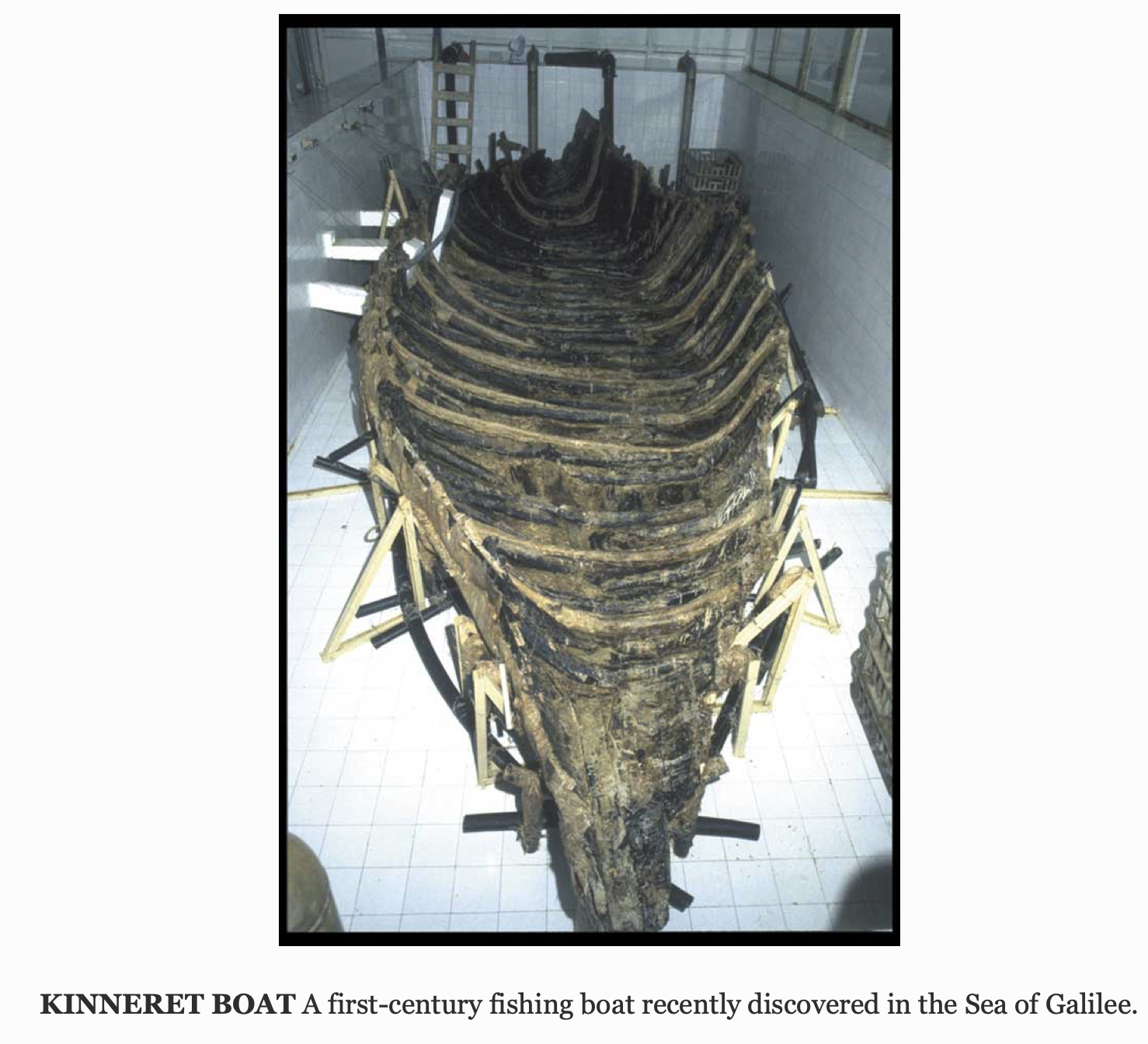
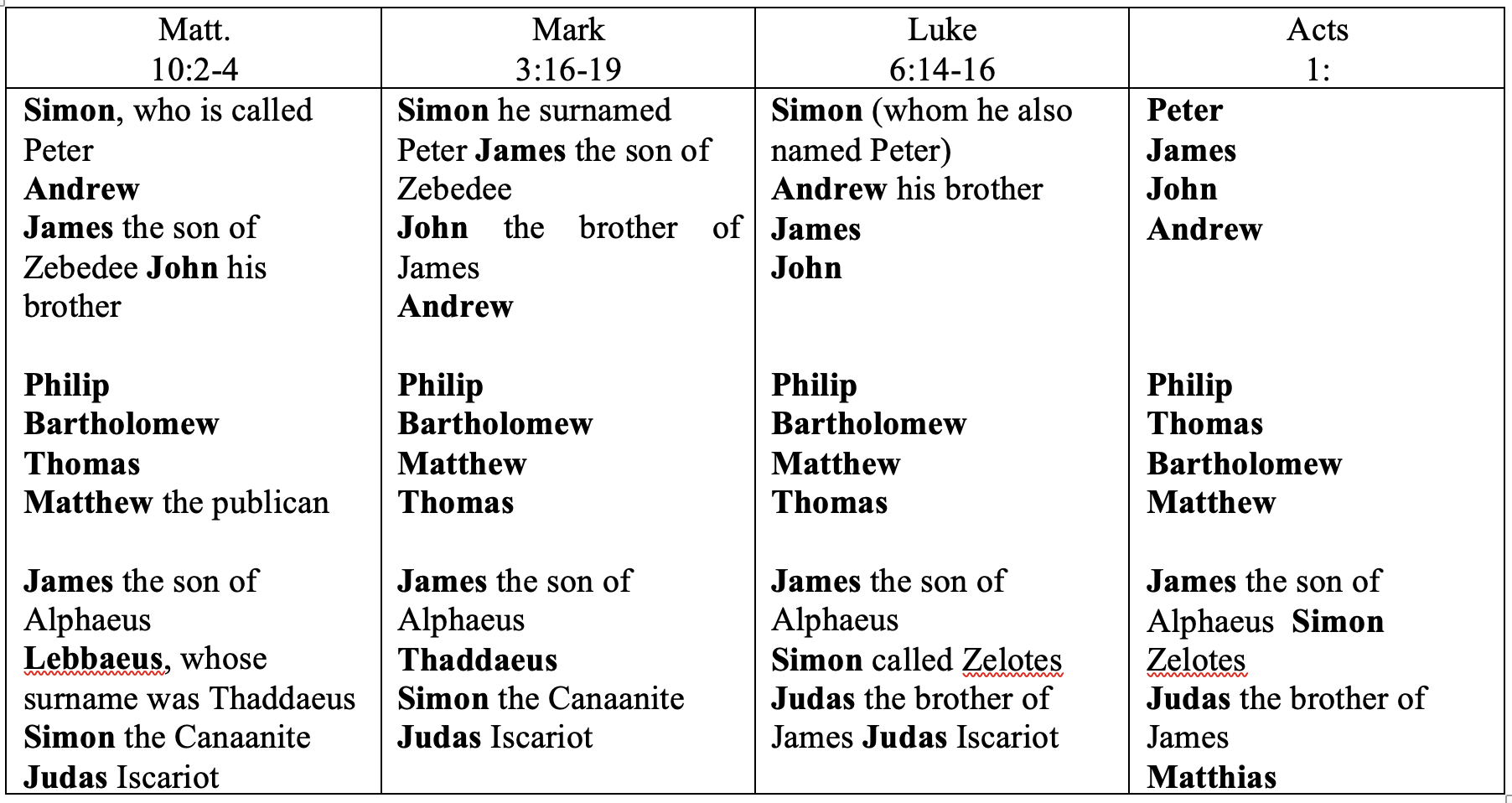
Having spent the whole night on the mountain (in the opinion of the ancients, on the Mt. Tabor), in prayer, which was undoubtedly about the strengthening of the Church He had been establishing, the Lord called His disciples and chose the twelve from them, so that they would be constantly with Him, and later, would be able to testify about Him. They would be as though leaders of the future twelve tribes of New Israel. The figure 12 has a denominative meaning in the Holy Scripture, as a product of 3 and 4; three is the eternal non- created Divine Being, and four — the number of the world, of the four sides of the world. “Twelve” denotes the filling of the human and the earthly with the Divine. The first three Evangelists and the Book of Acts, give us the names of all the twelve Apostles. The remarkable thing about this list is that everywhere the Apostles are divided into 3 groups of 4 people each, and together with that in the head of every group are put the same names, and these groups include the same persons.
These are the names of the Apostles: 1) Simon-Peter, 2) Andrew, 3) James, 4) John, 5) Philip, 6) Bartholomew, 7) Thomas, 8) Matthew, 9) James, Althaeas son, 10) Lebbaeus (or Thaddeus, as Judas, the son of James), 11) Simon the Canaanite (or Zealot), 12) Judas Iscariot. Evangelist John calls Bartholomew, Nathanael. “Canaanite” is the Hebrew translation of the Greek word zealot, which means an ardent follower. “Zealot” was the name used by the Jewish party, zealously battling for the independence of the Jewish state. The word Iscariot is composite, made up of: is (man) and Cariot (the name of the city). The very word apostle is the translation from Greek, and means a messenger, which corresponds to the designation of those chosen — to be sent for the sermon. In order to have greater success with their sermons, the Lord endowed them with powers of healing the sick and expulsing the demons.
Lists of the apostles in the new testament
- The Calling of Matthew. (Matt. 9:9-17; Mark 2:13-22; Luke 5:27-39).
- The Second Pascha. The Healing of a Paralytic at the Sheep Gate Pool. (John 5:1-16).
- On the Equality of the Father and the Son. (John 5:17-47).
- The Plucking of Cornheads on Saturday. The Healing of the Man with a Withered Hand. The Lord Avoids Fame.
- Choosing the Disciples. (Matt. 10:2-4; Mark 3:13-19; Luke 6:12-19).
On the Equality of the Father and the Son. (John 5:17-47).
On the Equality of the Father and the Son. (John 5:17-47).
Jesus responded to the Jews’ plans to kill Him for violating the Sabbath, with the words: “My Father has been working until now, and I have been working”. These words contain Christ’s testimony of Himself, as of the consubstantial Son of God. All the further words only develop this basic thought in the Lord’s reply to the Jews, only even more wishing to kill Him for He is calling Himself the Son of God: “Most assuredly, I say to you, the Son can do nothing of Himself, but what He sees the Father do; for whatever He does, the Son also does in like manner”. For Him, as the Son of God, it is natural to follow the commandments given to Adam and his offspring, but only following the example of God the Father. And though God the Father rested on the seventh day, it was from the works of creation and not from the works of care. Having correctly interpreted the Lord’s words that He is teaching about His equality with God the Father, the Jews started to redouble their accusations that He deserved the death penalty for violating the Sabbath and blasphemy. In chapters 19-20, the teaching about the unity of actions of the Father and Son is revealed, applicably to the ordinary assumptions of the son, imitating the father, and the father loving his son and teaching him to do his deeds. The words “The Son can do nothing of Himself” have nothing of Arius’s heresy, but only the fact, as Saint John Chrysostom says, that the Son does not do anything that is opposite to the Father, nothing that is alien to Him, nothing incompatible, contrary to His will. “And He will show Him greater works than these, that you may marvel”, i.e., like the Father, the Son can not only heal the infirm, but also raise the dead (15:21).
Initially, the talk here is about the spiritual resurrection, about the awakening of the spiritually dead to the truth, holy life in God, and then about the general bodily resurrection, and both of these resurrections have the tight inner connection between themselves. That man’s perception of the true, spiritual life is the beginning of his triumph over death. Just as a spiritual ailment can serve as the cause of death, so the true spiritual life can lead to the eternal life, conquering death, as avoidable.
The Lord joins the spiritual resurrection with His other great work — the judgment. In the first place, here is meant the moral judgment in the present life, which will unavoidably lead to the last, general Dreaded Judgment. Christ appeared as the Life and Light into the spiritually dead, steeped in the spiritual darkness world. Those who believed in Him, were resurrected to the new life and became the light themselves; those who rejected Him, remained in the spiritual death, spiritual darkness. That is why the Son of God’s judgment over the people continues throughout life, and will finally conclude in the last Dreaded Judgment. In this way, the fate of people eternally stays in the complete authority of the Son of God, that is why it is necessary to honor Him the same way, as the Father, for “He who does not honor the Son does not honor the Father Who sent Him”. The verses 24-29 contain further depictions of the Son of God’s life-giving activity. Obeying the Savior’s words and faith in the fact He was sent, is the main condition for accepting true life, in which lies the pledge also of the physical blessed immortality. The words: “shall not come into condemnation; but is passed from death unto life” mean: will not be subjected to Judgment. “The hour is coming, and now is, when the dead will hear the voice of the Son of God; and those who hear will live” — again, here is meant the spiritual revival, as a result of Christ’s sermon, as the Son is the source of life, granted to Him by His Father (5:26). The Son also has the power to judge — that is why He became human, being the Son of God by nature (5:27). This authority of the Son of God as a Judge will eventually be completed with the general resurrection and just retribution (5:28-29). This will be the just judgment, for it will be the result of full agreement of the will of the Judge with that of the Heavenly Father (5:30).
In verses 31-39, Jesus testifies with absolute decisiveness of His Divine worthiness. With this, He refers to the evidence of John the Baptist, who was highly respected by the Jews, but together with this, He says that He bears more testimony than John: this is the testimony of His God the Father, the testimony of signs and miracles that His Son performs according to His Father’s order, for they are included in the plan for the people’s salvation — which was given to Him by His Father for fulfillment. God the Father testified about His Son already at the moment of His baptism, though He gave the greater testimony about Him as the Messiah, through the Prophets in the Old Testament. But the Jews do not heed this Scripture, because the Word of God had not taken root in their hearts, and therefore is not there: they do not hear God’s voice or see His face in the self-revelation in His scriptures. “You search the Scriptures, for in them you think you have eternal life; and these are they which testify of Me”. Further on, Christ rebukes the Jews for their disbelief, telling them that He does not need glorification from them, for He does not seek the glory of the people, but He grieves for them, because, not believing in Him as in God’s Messenger, they reveal the lack of love towards God the Father, Who had sent Him. As they do not love God, they do not accept Christ that had come with His commandments — but when the other, the false messiah comes, with his self-styled teachings, they will accept him even without any signs.
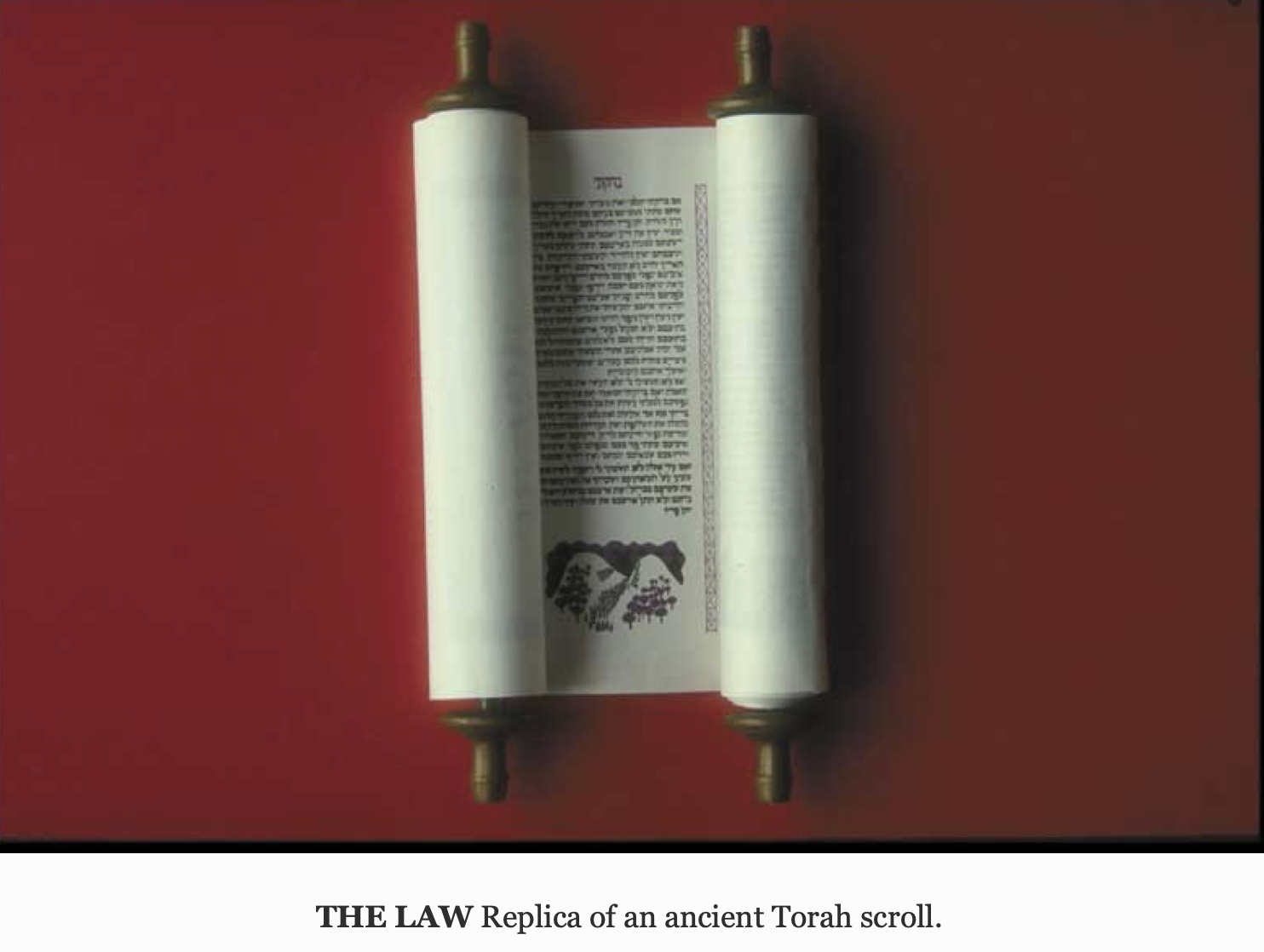
Since Christ’s times, the Jews have had over 60 such false messiahs, and the last one will be anti-Christ, whom they will accept as their expected Messiah. The reason for their disbelief lies in that they seek human glory, and they welcome not the one, who accuses them, even if he had the right to do so, but the one who glorifies them, even without any right to do that. In conclusion of His speech, the Lord destroys the Jews’ last basis upon which they were building their hopes. He tells them that their accuser at God’s judgment will be none other than Moses, in whom they trust — and he will accuse them of disbelief in Christ, because he wrote about Him. Here He supposes both the direct prophecies and promises in the books of Moses (Genesis 3:15, 12:3, 49:10; Deuter. 18:15), and the whole law, which was a shadow of the coming blessings in Christ’s Kingdom (Heb. 10:1) and the tutor (the leader of children) in Christ (Gal. 3:24).
The Calling of Matthew. (Matt. 9:9-17; Mark 2:13-22; Luke 5:27-39).
The Calling of Matthew. (Matt. 9:9-17; Mark 2:13-22; Luke 5:27-39).
This event is narrated by Matthew himself, as well as by the two other Evangelists — Mark and Luke. Furthermore, only Matthew calls himself by this name, while the others name him as Levi. Leaving the house after the miraculous healing of the leper, the Lord saw an individual sitting on a toll- bar (place where taxes were collected), called Matthew or Levi, and said to him: “Follow Me”. And he instantly got up and followed Jesus. It has to be added, that the public overlords or toll collectors — to which Matthew belonged — were regarded as the very sinful and were despised by the Jews, because they gathered the dues for the benefit of the Roman authorities. Moreover, the permission for such due gatherings they took from the Roman authorities, and in their excessive craving for profit they collected from the people more than necessary, earning themselves the common hatred.
Such was the power of the Lord’s words, that the tax collector, a greedy and wealthy man, left everything and followed Him — One Who did not even have a place to rest His head. But this also proves that the sinners, realizing their sins and ready to genuinely repent, are closer to the Heavenly Kingdom than the Pharisees, proud with their false righteousness. Gladdened by the Lord’s calling, Matthew invited Him and His disciples to his house for some refreshment. According to the eastern custom, people invited for lunch or dinner did not sit at a table, but reclined on the special benches or divans arranged around a low table, putting their left elbow on the pillow. Evidently, the friends of Matthew and other publicans and sinners, according to The Pharisees, came there too, reclining with the Lord and His disciples at the same table. This gave a chance to the Pharisees to condemn the Lord for joining the sinners. “Why does your Teacher eat with tax collectors and sinners?” — they addressed the Disciples. Saint Chrysostom explains these words like that: “They denigrate the Teacher before His disciples in the hope that they may be detracted from Him”, throwing a shadow on the Lord as the One, seeking bad company. “Those who are well have no need of a physician, but those who are sick”, — was the Lord’s reply to this slander. The meaning of these words is in that there is no need of the Savior in those who imagine themselves to be righteous, like the Pharisees, but for those who are sinners. As though the Lord is saying: the place of a doctor is by the bed of the sick, while My place is with those, who ail with the realization of their spiritual illness — and I am with them, with the publicans and sinners, just as a doctor is with his patients. “But go and learn what this means” —adds the Lord — which means: “I desire mercy and not sacrifice”. The Pharisees suppose that righteousness is entailed in the bringing of sacrifices, established by the law. But at the same time, they forget God’s words, said through Prophet Hosea: “For I desire mercy and not sacrifice; and the knowledge of God more than burnt offerings” (Hosea 6:6). The Lord means that the sacrificial offerings and all the formal piety, without love for the neighbor, without the works of mercy, are worthless in God’s eyes. “I did not come to call the righteous, but sinners, to repentance”, or in other words, the Lord came so that the sinners would repent and change. He came to call for repentance those who humbly regard themselves as sinners and ask for God’s mercy, and not those who consider themselves to be righteous, imagining that they have nothing to repent about. Though, the Lord came to save everybody, including those false righteous individuals, but until they leave their fantasy of being righteous and acknowledge themselves as sinners, calling them would be fruitless and their salvation impossible.
Being defeated in this, the Pharisees transfer their accusations to the Lord’s disciples. To them join the followers of John the Baptist who, as we have mentioned before, thought their teacher to be higher than Jesus, and were envious about His constantly increasing glory. Saint John the Baptist was fasting strictly, and naturally, taught his disciples to such strict fasts. Apparently, at that time, he was already imprisoned and his followers increased the severity of their fast on that occasion. The Pharisees drew their attention to the fact that the disciples of Jesus do not follow such strictly established fasts, and so John’s disciples ask Jesus: “Why do we and the Pharisees fast often, but your disciples do not fast?” The Lord answers them with the words of their own teacher: “Can the friends of the bridegroom mourn as long as the bridegroom is with them? But the days will come when the bridegroom will be taken away from them, and then they will fast”. This means: after all, your teacher called Me the Bridegroom and himself — the friend of the bridegroom, who should be joyful; that is why My disciples, being the sons of the of the bridegroom’s party, are happy while I am with them, and this happiness is incompatible with a strict fast, which is an expression of grief and sorrow. When the day comes that they will be left alone in the world, then they will fast. In memory of these words of Christ, our holy Church established the Passion Week fast, adjacent to the Great Lent fast, and the fast on Wednesdays and Fridays, exactly on those days, when our Bridegroom was taken away — the days of betrayal, His sufferings and death on the cross. Stating that the time for His disciples to fast had not yet arrived, the Lord develops this thought further in these words: “No one puts a piece of unshrunk cloth on an old garment; for the patch pulls away from the garment, and the tear is made worse. Nor do they put new wines into old wineskins, or else the wineskins break, the wine is spilled, and the wineskins are ruined. But they put new wine into new wineskins, and both are preserved”.
According to Saint John Chrysostom’s interpretation, new wineskins and new wine are the strict fast, the strict demands in general, while old garment and old wineskins are the infirmity and weakness of His disciples, who are not yet ready to bear great exploits. The Lord means the following: I find it is not the correct time for Me to impose the burden of strict life and ponderous commandments upon My disciples, as they are still weak, while they have not been regenerated, not re-born by the grace of the Holy Spirit. Here, the Lord protects His disciples from reproofs with genuine fatherly love and condescension towards them.
The Plucking of Cornheads on Saturday. (Matt. 12:1-8; Mark 2:23-28; Luke 6:1-5).

After this, Jesus left Judea and went to Galilee. On the way back to Galilee, on a Saturday that Saint Luke calls the “second Sabbath after the first”, i.e., the first Saturday after the second day of Pascha. The Lord was passing with His Disciples through the sown fields. Feeling hungry, the disciples commenced to pluck the corn, rubbing them between their palms and eating the grain. This was permitted by the Law of Moses, forbidding only the use of scythes on a foreign cornfield (Deut. 23:25). Regarding even this as a violation of the Sabbath, the Pharisees did not miss the opportunity to reproach the Lord for allowing His disciples to do this. In order to defend His disciples from the censure, the Lord reminds the Pharisees about the incident with David, as described in the first book of Kings (21st chapter).
Fleeing from Saul, David came to the city of priests, Nob, and asked Ahimelech the priest to give him 5 breads or whatever he could find. The priest gave him some bread that was brought as offerings and according to the Law, could only be eaten by priests. The efficacy of this example is in the fact that if no one judged David, who driven by hunger was eating that bread, then the Lord’s disciples do not deserve condemnation for that in serving God they sometimes do not have time even to eat and being overtaken by hunger on the Sabbath violated the peace of the Sabbath to such an unimportant extent. Thereupon, the Lord reveals the source from which the unjust condemnation of the disciples emanated: it is the erroneous understanding of the demands of God’s law. If The Pharisees understood that compassionate love for a sufferer is greater than the tradition and custom, they would not condemn the innocent that plucked corn heads in order to satisfy their hunger.
A human was not created for the Sabbath, but the Sabbath was given to the human for his benefit; that is why the man himself and his preservation from death and exhaustion are more important than the law of the Sabbath. The fact that the law does not appear to prohibit any type of activity, can be seen from the fact that on the Sabbath, the priests in the temple slaughter the sacrificial animals, skin them, prepare the offering, and burn them. And they, nevertheless, are not guilty in violating the Sabbath. But if the innocent servants of the temple are not guilty in violating the Sabbath, then the more innocent are the servants of the One, Who is greater than the temple and Who is the Lord of the Sabbath, possessing the authority to abolish it, just as He had established it.
The Healing of the Man with a Withered Hand. (Matt. 12:9-14; Mark 3:1-6; Luke 6:6-11).
With this healing the Lord again aroused indignation of the Scribes and Pharisees that evidently accompanied the Lord everywhere with the aim of accusing Him of violating the Law of Moses. Posing the question to the Pharisees: “What man is there among you who has one sheep, and if it falls into a pit on the Sabbath, will not lay hold of it and lift it out?” (Matt. 12:11), the Lord showed that in His opinion, the works of mercy are far more important than the fulfilling of the law about the peace of the Sabbath, and that in general, for the sake of doing good, it is not only permissible, but necessary to interrupt this peace.
The Lord Avoids Fame. (Matt. 12:15-21; Mark 3:7-12).
After leaving the synagogue where the Lord healed the man with a withered hand, He was followed by many people from Galilee, Judea and even from the Jordanian and heathen countries. He performed many miraculous healings, though prohibited telling about Him. Saint Matthew sees in this the fulfillment of Isaiah’s prophecy about the Beloved Son of God (42:1-4). Undoubtedly, in this prophecy which has to do with the Messiah, the Prophet glorifies the meekness and humility of Christ. In citing this prophecy, Saint Matthew wants to show the Jews that their idea of the Messiah as of the earthly king-conqueror, who will exalt the Jewish kingdom and will rule with the outward splendor and glory on the throne of David are false, and that the Prophets of the Old Testament predicted the meek and humble Messiah, Whose Kingdom will not be of this world, but Who, nevertheless, will present the law to the heathens, and on Whose name will rely all the nations.
The Plucking of Cornheads on Saturday. The Healing of the Man with a
Withered Hand. The Lord Avoids Fame.
The Lord Avoids Fame. (Matt. 12:15-21; Mark 3:7-12).
The Calling of Matthew. (Matt. 9:9-17; Mark 2:13-22; Luke 5:27-39).
The Second Pascha. The Healing of a Paralytic at the Sheep Gate Pool. (John
5:1-16).
The Healing of a Paralytic at the Sheep Gate Pool. (John 5:1-16).
This event is narrated only by Saint John, informing us in his Gospel about the Lord’s every feast day visit to Jerusalem. As for this particular occasion, it is not clear for which particular feast day the Lord arrived to Jerusalem, but more than likely, it was either Pascha or Pentecost. Only in this case, it appears that the Lord’s public service continued for three and a half years, as the ancient Church thought, being guided, in particular, by the chronology of the fourth Gospel. Thus, nearly half a year passed between the Lord’s Baptism and the first Pascha, described in the second chapter, then a further year — before the second Pascha, which is mentioned in the fifth chapter, then one more year — before the third Pascha, which is described in the sixth chapter, and finally another, the third, year — up to the fourth Pascha, before which our Lord suffered.

At the Sheep’s Gate, called so because the sacrificial animals were driven through it to the temple, or, because beside it there was the market where those animals were sold, on the north-eastern side of the city walls, on the way through the Cedar’s flow into Gethsemane and towards the Mt. of Olives, there was a pool, which was called in Jewish — Bethesda, which means “the house of mercy,” or of God’s mercy: the water for that pool was gathered from a curative spring. According to the testimony of Evsevius, already in the 5th century AD, the pool had 5 porches. This healing spring attracted many people with different ailments. However, this was no ordinary healing spring: it manifested its curative power only at times, when God’s Angel descended and stirred up the water, and then only that one that straight after stirring up the water entered the pool, could get cured; evidently, the water retained its healing properties only for a short time, and then was losing them.
Here, by the pool, laid a paralytic who suffered for 38 years and who had almost lost the hope for to be cured ever. Moreover, as he explained to the Lord, not having an assistant, he was incapable of utilizing the power of the miraculous spring, as he had no strength to move fast enough to immerse himself into the water, immediately after the water was stirred up. Having mercy on him, the Lord instantly cures the miserable with His first word:
“Rise, take up your bed and walk”. With this, the Lord showed the superiority of His saving grace over the Old Testament methods.
However, as this was Saturday, the Jews, under which name John the Baptist usually means the Pharisees, Sadducees and Jewish elders, hostile towards the Lord Jesus Christ, instead of being happy for the miserable, who had been suffering for so much time, or be amazed with the miracle, got annoyed with the fact that the former paralytic had the audacity to violate the commandment about the tranquility of the Sabbath, while carrying his bed, and rebuked him. However, the cured paralytic, not without some effrontery, began to justify himself, stating that he is only carrying out the orders of the One, Who healed him and Who in his eyes, had sufficient authority to release him from following those narrow-minded regulations regarding Saturday. With a trace of contempt, the Jews inquire of the former paralytic, Who was the Person, that had the audacity to permit him to violate the public regulations.
Blessed Theothilactus makes an interesting remark concerning this: “Here is an example of the malice! They do not ask Who cured him, but Who ordered him to carry his bed. They are not interested in that, which brings amazement, but in that what is censured”. Although they were not certain, they most probably guessed that the Healer was no one else but the hated Jesus from Nazareth, and therefore did not want even to speak about the miracle. The cured paralytic could not answer them, as he did not know Jesus.
Soon afterwards, he most probably went to the temple in order to bring a sacrifice to God, in gratitude for his healing. Here, the Lord met him with the significant words: “See, you have been made well. Sin no more, lest a worse thing come upon you”. From these words, it can be especially clearly seen that a sickness overtakes a person for his sins, and the Lord warns the cured paralytic against repeating the sins, so as not to be afflicted with the greater punishment. Recognizing his Healer, the former paralytic went and told the Jews about Him: of course, not with any evil intention, but just to raise the authority of Jesus Christ. This evoked a new hatred attack of the Jews, and they “sought to kill Him, because He had done these things on the Sabbath”.
On the Equality of the Father and the Son. (John 5:17-47).
The Plucking of Cornheads on Saturday. The Healing of the Man with a
Withered Hand. The Lord Avoids Fame.
The Lord Avoids Fame. (Matt. 12:15-21; Mark 3:7-12).
Choosing the Disciples. (Matt. 10:2-4; Mark 3:13-19; Luke 6:12-19).
Lists of the apostles in the new testament
The Second Pascha. The Healing of a Paralytic at the Sheep Gate Pool. (John
5:1-16).
Related Concepts
- anti-christ
- apostolate
- arius
- ariuss-heresy
- authority-of-the-son
- authority-over-demons
- bethesda
- charismatic-authority
- christ-as-judge
- church-as-continuation-of-israel
- condescension-synkatabasis
- dreaded-judgment
- equal-honor
- equality-with-father
- eschatological-joy
- eternal-life
- father-and-son
- fathers-witness
- fulfilment-of-prophecy
- galatians-324
- glory-of-men
- grace-of-the-holy-spirit
- great-lent
- healing-miracles
- hebrews-101
- holy-spirit-regeneration
- hosea-66
- human-glory
- isaiah-42
- isaiah-421-4
- john-519
- john-524-29
- john-the-baptist-as-friend-of-the-bridegroom
- joy-and-mourning
- judgment
- kingdom-not-of-this-world
- law-and-gospel
- life-in-christ
- light-and-darkness
- love-of-neighbour
- miracle-as-testimony
- mission
- new-israel
- old-testament-signs
- opposition-to-christ
- passion-week
- pastoral-economy
- patristic-exegesis
- pedagogy-of-the-law
- penalty
- pharisaism
- pharisees
- prophetic-ethics
- publicans
- sadducees
- salvation
- scribes
- scripture-as-testimony-to-christ
- servant-songs
- tax-collector-as-model
- temple-typology
- twelve-tribes
- typology-of-numbers
- unbelief
- unity-of-divine-action
- warning
- wednesday-and-friday-fast
- works-of-mercy