Liturgics — 16. The Weekly Services of the Triodion and Pentecostarion periods
The Weekly Services of the Great Lent and After-Easter period.
- The Weekly Services of the Triodion and Pentecostarion periods.
The weekly divine service of the period of singing “Lenten” and “Color Triodion”.
Features of Lenten Matins
Despite containing many strict instructions and difficult to understand
sections, our Typicon also contains a deep understanding of the susceptibility
of human nature, a parental care for every child of the church. For example,
the kathisma readings at vespers can be canceled for the “labor for the sake
of vigil,” because the brethren prayed all night until morning. And on the
first day of Lent, the Typicon indicates to call “to the light more
sluggishly”, i.e. slower, so as not to rush people to the service, as there
was consolation at the previous evening meal, after which it is a little
harder than usual, compared to further in the fast, when the food will be
light, invigorating, disposing to diligent services and bows. It is
interesting that the Typicon of Mount Athos, the center of Orthodox
monasticism, generally cancels midnight service on the first day of Lent.
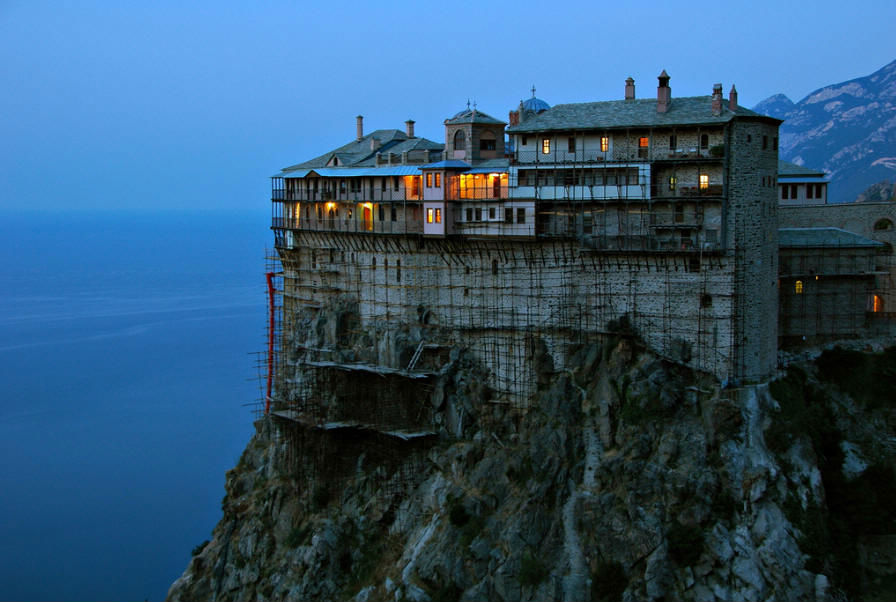
The first service of Monday of the 1st week of Great Lent, the Midnight service, has, on the one hand, general Lenten features, on the other — unique features of the first Monday of Great Lent. In general, the all-day midnight fast is performed as usual, but the prayer of Ephraim the Syrian is read with 16 bows (3 full bows, 12 small and one full. Before the Nikon reform, there were 3 full, then 12 so-called “throwing”, i.e. bows when the earth is touched only with knees and hands, without lowering heads, and one full bow). On the first day of fasting, the prayer of Ephraim the Syrian is read at midnight with only three bows, so that it is not too hard at once.
After the Midnight mass has departed, we enter into the Lenten order of worship. The first service that we will analyze in detail is the Lenten matins. The order of the weekday matins has been studied by us quite well, and based on it, it is possible to determine the difference between the Lenten matins and the every-day matins.
The first part of matins, if there is no vigil, is the two—psalm. During the holy forty days of the Great lent there are additional prayers: at the beginning of the two psalms, the reading of the Trisagion – to “Our Father” is added. The sixth psalm and the great litany is read as usual, and then comes the moment that distinguishes the lenten service: Hallelujah with verses. A service with “Hallelujah” is the alternate to a service with “God the Lord”. Hallelujah is a hymn no less joyful than God the Lord, it sends praise to God in the most general form — “Praise the Lord”, “Glory to God”, “Praise to the Almighty”. But God the Lord is a more festive hymn: the Lord came to us on earth to save us, the Messiah appeared, and we meet Him. Hallelujah, as a more modest chant, is better suited to the order of Lenten services.
Hallelujah is sung with four verses. It is not sung “Hallelujah, Hallelujah, Hallelujah, Glory to You, God”, but simply “Hallelujah, Hallelujah, Hallelujah”, four times, because there are four verses here, as well as to “God the Lord”. This is the first feature of Lenten matins.
After Hallelujah, the Trinity verses are sung. God the Lord is sung with the troparia of the Saint, feast or Sunday, whereas Hallelujah is sung with the Trinity verses, which belong to the system of the Octoechos and are in the Octoechos, but for convenience are transferred to the Triodion, in a special appendix at the end of the book.
In educational literature, there is a statement that on weekdays of Great Lent, the Octoechos is not used in the service. This is both true and untrue: those parts of the Octoechos that are used during this period are simply transferred to the Triode, but the contents of the Octoechos does not completely disappear from service.
The triadicon verses of the weekly tone are three short chants, the first of which has a changing ending. On Wednesday and Friday the following is sung: “By the power of Your Cross, keep us Lord.” On Tuesday — “By the Prayers of the Forerunner…” etc. The end of the first triadicon depends on the day of the week, and this is clear evidence that the contents of the Octoechos is present in the service. The theme of the Octoechos is there, and it cannot be said that the Octoechos is omitted.
After “Glory to the Father and to the Son…” the triadicon verses are also sung, but here the endings are permanent. It is impossible to explain what a triadicon verse is. You need to look at the liturgical books and pay attention to these hymns at the service.
Then the kathismas are read. During Lent, the Psalter is read not once per week, but twice — not 20 kathisma, but 40. This doubling occurs due to the reading of the kathisma on almost all the Hour services, as well as due to the fact that three kathismas are read at matins.
The kathismas are followed by sessional hymns. After the first kathisma, the sessional hymns of the Octoechos will be read, after the second and third kathisma, the sessional hymns of the Triodion.
Psalm 50 is a fixed part of the matin service. A specific feature of the Lenten matins is the prayer “Save, God..”. In most Moscow churches, the custom of saying this prayer in front of the icon of the Savior has become established. But the Typicon says directly and unambiguously: “The deacon says a prayer in the usual place: Save God, your people..”. The absurdity of the existing practice becomes apparent from the exclamation concluding this petition: “By the mercy and generosity and humanity of Your Only Begotten Son…” the petition is addressed to the Father, not the Son. This prayer is already known from the litany, and it is also recited at matins before the canon.
The next moment of the service is the Lenten canon, which is the main difficulty and the main feature of the Lenten matins.
On all days of the year, except for Holy and Easter Week, as well as Thursday, the 5th week of Lent, the canons for matins should be written with verses of biblical songs. Bible songs exist in three editions: weekday, festive and Lenten. Do not think that there are different texts; each number of the song is assigned to a certain passage of Scripture, and it does not change from one edition to another. The eidtions are a different way of combining verses of biblical songs with the troparia of the canon.
The word “Triodion” (from the Greek. τριοδιον) means “three odes”. On this
occasion, Nikephoros Xanthopoulos wrote the following text: “To the Builder of
the upper and lower, the Trisagion is a song from the Angels, but the three
odes are received from men.” Angels sing the Trisagion Song, and people bring
the three odes, which gave the name of the Triodion. Incomplete canons are
found only in the Lean and Festive Triodion. These incomplete canons are the
three odes. There are also three odes in the Menaion, but very rarely (for
example, on the eve of Christmas and Epiphany at compline, the three odes
appear several times, but this is not typical, this is a likening to a triode
circle; the Triode books contain the “legitimate” three odes).
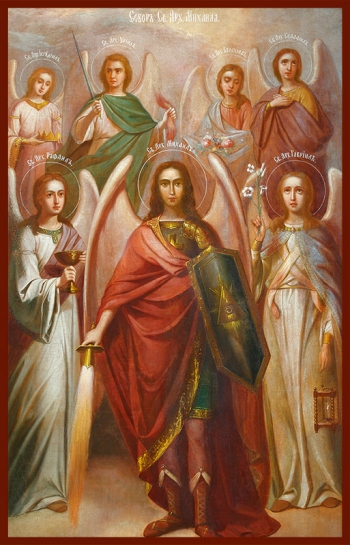
It is believed that there are nine songs in the canon, but in fact there are almost never nine of them: the second one is missing, i.e. there are actually eight of them. Such a canon formally consists of nine, but really of eight songs, and is called a complete canon. There are also incomplete canons — the “two-ode” (on Great Tuesday), “three-ode” (there are a lot of them) and “four- ode” (appears on the Saturdays of Great Lent). Thus, there are several types of incomplete canons, and the most frequently used of them is the “three-ode” (on weekdays of Great Lent).
What are these odes? On all five weekdays of the Great Lent, there are “three odes” in the Triodion: one ode corresponds to the number of the day, and there are always odes 8 and 9. So the songs are combined as follows: On Monday — 1, 8 and 9, on Tuesday — 2, 8 and 9, on Wednesday — 3, 8 and 9, and so on.
On weekdays, there is not just one “three-ode” in the Triodion, but two. For example, on the Monday “three-ode”, ode 1: first the song of Theodore the Studite, and then the song of Joseph the Studite. Each song consists of two parts, has two authors. Consequently the ode and 9thsongode also consist of two parts. Therefore, although they say that there are two “three-odes”, they are in fact next to each other and connect with each other.
At Lenten Matins, the canon from the Menaion and the canon from the Triodion are read. The canons in the Menaion are always complete, and in the Triodion — the incomplete canon, the “three-ode”. On some songs, the canons of both books are used. For example, on Monday of the first week, ode 1 is both in the Menaion and in the Triodion, but odes 3 and 4 will be only in the Menaion. The two books are joined again on odes 8 and 9. It is as if there are two types of odes. The first, where the canon is read from the Menaion and from the Triodion: in this case, the canon will be read from the Menaion by 6, and from the Triodion by 8, i.e. in general by 14. The second type of odes of the Lenten canon are those in which only troparia from the Menaion are read by 4.
On the first day of Lent, at Matins, in the 1st odes of the canon, both the Menaion and Triodion is used; the Menaion will have 6 verses, the Triodion will have 8. At first, verses of biblical songs are simply read or sung in a row, without the troparia of the canon, up to the mark on 14. This mark reminds us from which verse we should attach the troparia of the canon. The reader will read verse 14 and sing the irmos, then another verse - the troparion of the Minea. So after six verses, the texts from Menaion will be read, and there will be eight verses remaining, that will include “Glory.., and now unto the ages of ages…”, ( they are included in the count). The remaining eight verses will be followed by texts from the Triodion. The texts from the Triodion are the troparia of the ‘three-ode’ of the Triodion; this is how the song will come out to a total of 14. This is one way of singing the songs of the Lenten canon.
The three-ode can be found only in the Menaion. According to the modern instructions of the Typicon, this song is sung only with 4 verses. This is a very large reduction. Before the reform of Patriarch Nikon, this song was also sung with 14 verses, because the canon of the Octoechos was sung, but then this was canceled. Now some Bible songs do not sound completely, but are reduced to only two verses. This is a very significant loss in the service and a very significant reduction.
It is necessary to understand the following principle: in the Menaion there is a complete canon, in the Triodion there is a three-ode, of which there are two, with different authors. If it possible to use both the Minea and the Triode for certain some songs, then it is sung with 14 verses (6 + 8), with verses of Biblical songs in the Lenten edition. Songs which are only in the canon from the Menaion are read with 4 verses.
The 3rd and 6th odes have the peculiarity that the irmos in these cases is sung at the end of the song. The reason is as follows: The 3rd and 6th odes should always be closed with something, and in the Triodion, except Wednesday, there is no irmos -the irmos is only in the Menaion. So the 3rd and 6th odes on all days, except Wednesday, begin without an irmos, and the irmos is sung in the conclusion of the song.
Odes 8 and 9 are always closed by the irmos of the second three-ode of the Triodion. As usual, odes 3, 6, 8, 9 must necessarily be closed by an irmos. Sometimes it is the irmos of the Menaion, and at 8 and 9 it is always the irmos of the Triodion. If odes 1, 2 or 5 are in the thee-ode, then this ode is also closed by the irmos of the last three-ode.
On the 9th ode, the “More honorable” is sung, after the 9th ode is finished, “It is truly meet” is sung and a prostration is laid.
After the litany, the svetilni are sung; this is a feature of the Lenten service (usually during matins the exapostylary from the Octoechos is sung in this part of the service). This exapostylarion on weekdays from the Octoechos is used at the service with “God the Lord” (at the usual matins), and the svetilni of the Octoechos are used at the weekday service with “Hallelujah”. These texts are of the same genre, but differ in systems. On Lenten Matins, the svetilni of the Octoechos are used, but the texts are placed in the Triodion. These three moments of the service (the Trinity verses, sessional hymns and the exapostilaria) have been transferred from the Octoechos to the Triodion for convenience.
Then follows the usual end of matins, almost identical with the weekday matins. In certain cases the stichera of the Praises are omitted, but the Great Doxology is always read.
The litany of fervent supplication and aposticha from the Triodion follow. The prayer “It is good…” is read twice followed by the Trisagion to “Our Father”. The texts of the Hours end with the prayer of Ephraim the Syrian and 16 prostrations. At the end of matins, the first hour immediately begins.
Features of Lenten hours and Vespers
Lenten hours have several features.
In the service of the Hours, the kathisma is read, except for the first hour on Monday and Friday, and the ninth hour on Friday. This is explained by simple arithmetic — the fact that we have to put exactly forty kathismas into the weekday services.
During the Great Lenten hours, the troparion of the hour with its verses is sung. On ordinary Hour seevices, the troparion and the kontakion of the day or holiday are read, and but during the Great Lenten Hours, a special text is sung is assigned to each hour in this palce: at the first hour — “Hear my voice tomorrow, to my King and my God”, on the third — “Lord, Who sent down Your Most Holy Spirit at the third hour by Your apostle…” and so on. The Lenten hour thus becomes itself to a greater extent, that is, the liturgical theme of the hour is revealed more. Troparia are sung with prostrations, with verses. The priest goes to the pulpit for their proclamation. Such a troparion is recited, according to the rules of the Typicon, by a reader or priest (in our practice, a priest in the pulpit), then repeated by the choir, then the priest recites the verse, the choir repeats the troparion and again the verse and troparion is read.
In addition, at the first hour, the verses of the hour, which begin with the words “Direct my feet according to Your word, and let no iniquity possess me,” are sung, and it is indicated to sing it “loudly and stiffly,” loudly and slowly. And the verses are repeated twice, and the last verse is repeated three times.
The sixth hour is distinguished by the following feature: the paraemia is read on it, which is preceded by the” troparion of prophecy” and the prokeimenon. At the sixth hour, the paramia from the prophet Isaiah is always read.
After “Our Father”, instead of the ordinary kontakion, texts from the Horology are read. Whoever stood in the church with the Horology before has noticed that there are Lenten inserts in the texts of the Hours, which we will refer to now. There are notes that read: “if there is a Holy Lenten Day” or “if there is sung Hallelujah” or “if there is a fast.”
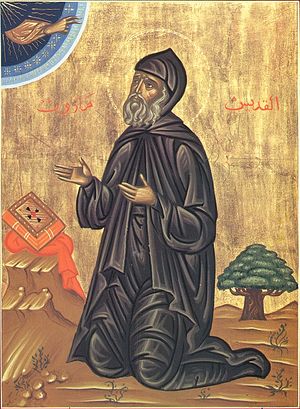 The prayer of Ephraim the Syrian
concludes every hour, with 16 or (at the ninth hour) with 3 bows. These are
the features of Lenten hours.
In fasting, the first hour always joins matins, then the third, sixth, ninth hour follows, and after it the rank of pictorial. The Typika will be performed on all weekdays of the fast. Typikas are served on the day when there is no liturgy, or when the liturgy is celebrated at Vespers.
The order of the Typika is found in the Book of Hours (the Horologion), and it begins with the singing of the Beatitudes. The psalms in the Typica, “Bless the Lord, O my soul” and “Praise the Lord, O my soul” are not read or sung, but are immediately sung in the prayer “In Thy Kingdom” in a special chant, and after each verse we hear: “Remember us, Lord, when you come into Your Kingdom.” When all the Beatitudes are sung, and all the lines taken from the Gospel are pronounced, it is instructed that the two choirs should come together in a special way and together, sing: “Remember us, Lord, when you come in Your Kingdom”, “Remember us, Lord, when you come in Thy Kingdom”, “Remember us, Holy One, when you come into Thy Kingdom”. How is it to be sung? “The same, having both come together, and we sing according to the highest voice,” that is, very loudly, “Remember us, Lord,” and so on, then a single bow, all the same to the ground, an earthly bow … “And again with a higher voice,” even louder .
“Remember us, Lord…” and so on, and bow to the ground. “In the same and still with a higher voice: “Remember us, Holy One…” Both faces came together and sing louder and louder with prostrations.”
After that, the prayers from the Horologion are read, starting with the prayer: “The heavenly choir praiseth Thee”, followed by the Creed and continued as usual. After “Our Father” the kontakia are read - the kontakion of the temple and of the day celebrated by the saint. After “Glory” follows the prayer “With the saints rest in peace.” On “unto the ages of ages..” the common kontakion to the Theotokos or the kontakion of the temple of the Theotokos is read.
There are several types of Vespers on the weekdays of Great Lent. Without discussing the peculiarities of Vespers on Wednesday and Friday, when the Liturgy of the Presanctified Gifts is celebrated, let us now consider two types of Vespers for the weekdays of Great Lent. The first type is on Sunday evening, the second is on Monday, Tuesday and Thursday evenings (without the Presanctified Liturgy). Without analyzing in detail the sequence of Vespers, let us consider its distinctive features. At Lenten Vespers, the 18th kathisma is always read (if there are three kathismas at Matins, then the 18this always at Vespers). On the the prayer “Lord, I have cried”, the texts from the Triodion and the Menaion are used. The Triodion is allocated a special place, it goes ahead and is by no means displaced by anything; regardless of whether on this day there is the memory of a sixfold saint, or two minor saints - the triodion stichera will never be ommited.
After “O gentle Light”, a prokeimenon is proclaimed, then a Prophecy (Paraemia), a second prokeimenon, and the second paraemia is read. At vespers on weekdays, paraemias from two books are constantly read - the book of Genesis and the book of the Proverbs of Solomon.
A few words about the meaning of the Old Testament readings on the weekdays of Great Lent: Three different types of Old Testament books were chosen in the Lenten service: historical - the book of Genesis, prophetic - the book of the Prophet Isaiah (at the sixth hour) and moral - the book of Proverbs of Solomon. These are three different types of Biblical Old Testament readings. The time of Great Lent has always been the time of the preparation of new converts, the time of preparation for Baptism, which took place on Lazarus Saturday, on Easter and on Pentecost (it is not for nothing that on these days we hear the prayer “Baptized in the name of Christ”). As Great Lent is the last stage of the preparation, it is very appropriate to read the most important books of Holy Scripture during this period. The prophet Isaiah is an Old Testament evangelist; in no other book do we find such vivid, accurate prophecies about Christ. The book of Proverbs of Solomon is a textbook of morals, which can be rather difficult to understand.
Not only the catechumens, but also the faithful during Great Lent are immersed in the time of the Old Testament, the times of expectation of the coming of the Messiah. Reading through the Old Testament books helps us re-live and imagine the promise of the Messiah, the prophecy about Him and the expectation of Him.
At the end of Vespers, instead of the usual troparia, special hymns are sung: “Mother of God and Virgin, rejoice …” “To the Baptist of Christ …” and some more hymns from the Book of Hours, in a special Lenten chant. This is followed by an ending with the reading of the prayer of Ephraim the Syrian.
Vespers of Great Lent are served in conjunction with the Liturgy of the Presanctified Gifts.
After the celebration of Matins, the first hour, the third, sixth and ninth
hours, the Typica, most often on Wednesday and Friday of Great Lent there is
Vespers, and at Vespers the Liturgy of the Presanctified Gifts. It begins with
the usual liturgical exclamation “Blessed be the Kingdom…” but we hear an
unusual answer: only one reader answers Amen, and immediately “Come, let us
worship…” and the 103 opening psalm is read. Why? Because this is Vespers,
during which we will partake of the pre-consecrated Holy Gifts. During the
reading of Psalm 103, the priest reads the svetilni prayers on the Soleas in
front of the Royal Doors, but not all of them - only 4, 5, 6 and 7 (the first
three will be read at Vespers in other places, so they do not disappear, but
only are transferred). Where does Russian name come from - Svetilni? The fact
is that Vespers has another, rarer name - “The Svetilnichnoe” which means,
“The Luminous”: this is a service at which all lamps are lit, since it is
already evening, and it is getting dark. Let us summarize: 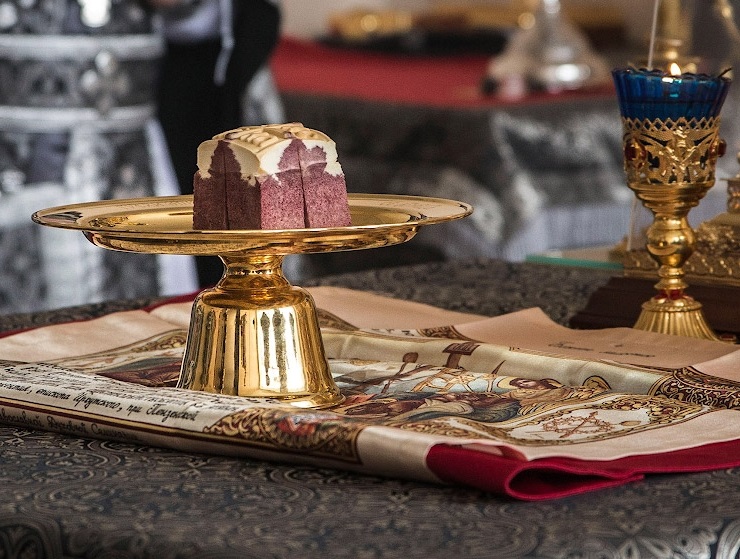
“Bless, Lord” – “Blessed is the Kingdom …”
Amen - Come, let us worship … Psalm 103, svetilni prayers.
The Great (or Peaceful) Litany. It is always the first in the service.
18th kathisma (except for the 5th week of Lent; on the 5th week of Lent a different order of reading the Psalter exists). Kathisma is a Greek word meaning seat. It is generally believed that one is allowed to sit while reading kathismas. In fact, one is supposed to sit during the singing of sedalni and instructive readings following the kathismas. But, since there have been no readings in our parish services for a long time, for the sake of rest, you can also sit down during the reading of the psalms. But during the reading of the 18thKathisma at the Liturgy of the Presanctified Gifts, it is completely inappropriate to sit, and moreover: on the third antiphon of this kathisma, it is appropriate to kneel. Why? Because at this time very important sacred rites take place in the altar, accompanied by prostrations of the clergy, and the Missal speaks of “reverence for many,” i.e. all these actions the clergyman must be performed with the greatest reverence. Which actions exactly?
At this liturgy, we will partake of the Lamb that was consecrated on the nearest Sunday at the Divine Liturgy of Basil the Great (when not one, but three or four, depending on the amount of Presanctified liturgies to happen that week, Lambs are prepared). The Holy Blood is not left from the full Liturgy, but the Lamb himself will be imbued with the Blood of the Lord, which will be present in him. At the Presanctified Liturgy, the Lamb is placed in the Chalice, and simple wine is poured, which is not turned into the Blood of the Lord, and no corresponding prayers are read. The Lamb itself is imbued with the blood of the Lord in advance at the previous full Liturgy. At the Presanctified Liturgy, small children who are not yet able to swallow solid foods are not given communion.
During the reading of the 18th kathisma, the following sacred rites take place with the previously consecrated Lamb: During the first antiphon, or the first “Glory”, the priest takes the Lamb out of the tabernacle and places it on the diskos. During the second antiphon, the the Throne is incensed in the shape of the cross. During the third antiphon, the transfer of the diskos with the Lamb from the Altar table to the table of preparation. After each antiphon, a small litany is pronounced. And so, during these three litanies, the priest reads three prayers of the svetilni, which were not read during the initiatory psalm. It is simply impossible to sit while reading the 18th kathisma, and on the third antiphon it is appropriate to bow to the ground.
Then follows ‘Lord, I have cried’ with verses. During Great Lent, even in parishes, as a rule, all verses are sung in full and stichera are sung with a total of 10. The rules of the Typicon are very connected with arithmetic; you will find that often you have to count something, and all these numbers have meaning - they are not random. All numbers in the Typicon contain meaning. For example, 10 stichera are sung very rarely: on Sunday and at the Presanctified Liturgy; even on the twelve great feasts, not 10 stichera, but 8 are sung. The Divine Liturgy of Great Lent unites seemingly incompatible things: on the one hand, it is modest, not pompous or festive (there is no litia, polyeleos, and the exit of clergymen); its beauty is different, modest and piercing, and at the same time it is surprisingly solemn, it contains elements of the most sincere services. For example, the reading of the prayer “Save, God..”. at Matins, or the 10 stichera at the Presanctified. These details are not just burdensome, increasing the size of the service, but very earnest, and one must be able to feel this. At the end of this cycle, the stichera, to “Glory”, is now sung to the Mother of God, and the entrance is made with a censer, and sometimes with the Gospel, if the Gospel is read on this Presanctified. These details are not just burdensome, increasing the service, but very solemn, and one must be able to feel this. At the end of this cycle, the stichera, to Glory, is now sung to the Mother of God, and the entrance is made with a censer, and sometimes with the Gospel, if the Gospel is read on this Presanctified.
The Entrance to the altar, and we hear “O gentle Light” sung in a modest Lenten chant.
Then follows the Prokeimenon of the Triodion, the paraemia of the Triodion, the second prokeimenon of the Triodion, and after that a special action is performed, which has no analogues and parallels in the services of other days. It is described in the Typicon as follows: “And the deacon proclaims: “Command.” The priest takes the censer and a candle holder with a lit candle, stands before the altar table and looking to the east, denoting the cross, says: “Wisdom, let us attend” (that is to say, stand straight, as the moment is very important). Then, turning to the west (immediately turning to the west, i.e. to the people) he says: “The Light of Christ enlightens all.” While everyone bows to the ground, the second parimia of the Triodion is read. These parimias are always from the same books, with the exception of Passion Week. The first parimia is read from the book of Genesis, and the second from the book of Proverbs of Solomon.
Then follows the Exclamation: “Wisdom”. And a very famous part of the Presanctified – “Let my prayer be directed as incense before Thee”. What it is? We are accustomed to seeing in most churches how three singers come out of the kliros, stand in front of the pulpit and sing ” Let my prayer be directed, like a censer before Thee…” and the choir answers “Let it be directed”. And so five times. The trio sings four different verses, and the choir responds to each verse “Let it be directed”… and then the trio sings “Yes it will be directed” … until the middle, and then the choir sings to the end. This part of the Presanctified Liturgy is very splendidly arranged. It is a much anticipated and loved part of the service. Every choir aims to perform this section as beautifully as possible, but behind this beauty the actual meaning of the hymn eludes us.
So what is the meaning of the hymn? It is a prokeimenon, and a great prokeimenon at that, because it is repeated five times. And here the prokeimenon is performed exactly as it should always be performed according to the Rule: the reader must go out, sing it, and then repeat the chorus. The prokeimenon reader should always sing, but in our country they never sing it, but simply proclaim it, but during Great lent, it is especially prepared and sung.
After the great prokeimon, the prayer of Ephraim the Syrian is read with three prostrations. In general, during the Presanctified Liturgy, the Prayer of Ephraim the Syrian is read only with three bows, 16 bows are never laid. And after this prayer, it is possible to proclaim the prokeimenon, read the Apostle, proclaim Alleluia and read the Gospel. This happens with a polyeleic saint, i.e. on the Forty Martyrs, the Receiving of the Head of St John the Baptist and on the day of the Temple saint. And on these days there will be an entrance not with a censer, but with the Gospel. During Passion week at this moment only the Gospel is read (the Apostle is not read), and the entrance is also made with the Gospel.
Then follows the Litany of Fervent Supplication and the litany for the catechumens. Beginning from the Wednesday of the Adoration of the Cross, i.e. exactly from midway of Great Lent, a litany is added for those who will be baptized this Easter, they are called “Litany for enlightenment.” In all cases, after that follow the two litanies for the faithful, exactly the same as at the full liturgy before the Cherubim Hymn (however the priestly prayers are different).
Then follows the great entrance, during which the chant is sung: “Now the powers of heaven serve with us invisibly. Behold, the King of glory enters, behold, the secret sacrifice is perfected.” There is some difficulty associated with this point. This entrance is apparently similar to the great entrance that takes place at the full Liturgy, when the Cherubic Hymn is sung. However, in fact, there is a fundamental difference here: at the full Liturgy, the bread and wine which is transferred from the table of preparation to altar table have not yet been changed, only prepared for the celebration of the sacrament. At the Presanctified Liturgy, the Lamb has already transfigured - the bread that was changed into the Body of Christ. And so it is sung: “Behold the King of glory enters, behold the secret Sacrifice is brought to perfection,” because the King of glory enters, and the secret Sacrifice is already accomplished - “is brought to perfection.” The words also emphasize that the gifts are surrounded by an invisible heavenly army, angelic ranks, like warriors with spears (Greek δορυ). And so it is said in the Rule: “When the Divine Mysteries rush forth, all people worship to that which is God-like, and the singers prostrate themselves to Christ God in his Divine Mysteries: for the essence is completely consecrated,” since these are already consecrated Gifts.
It must be said that the constant presence on the Altar table of the Holy
Gifts already offered, leaves a very special imprint on the Divine Liturgy of
Great Lent. Despite the fact that the Great Lent service is always very
strict, very modest, containing many bows, with constant prayers of
repentance, a lot of Holy Scripture, this service is performed on all weekdays
in the presence of the Holy Gifts on the throne, in which Christ God Himself
is invisibly present. And this presence undoubtedly gives the divine service a
special solemnity. 
Then follows the Prayer of Ephraim the Syrian with three prostrations.
Then follows the Litany of completion. At the full liturgy there should be the Eucharistic canon, but here it is not, so the exclamation immediately follows: “Pre-sanctified Holy to the saints” and the choir sings: “One is Holy …”
Then follows “Our Father”, after which the sacramental verse is sung, always the same for the Liturgy of the Presanctified Gifts: “Come and see that the Lord is good…”
Then the clergy communes in the altar, with the veil closed.
Then comes the Communion of the laity. The Chalice is bought out and, as always, we hear: “With the fear of God…”… and the choir answers not as usual, but with a verse from Psalm 33: “I will bless the Lord at all times, His praise is in my mouth.” And then everything is very similar to the rite of the full liturgy, only two or three texts are replaced.
The Priest exclaims: “Save, God …” - the usual exclamation, and the choir sings: “Heavenly bread, Taste the Cup of life and see how good the Lord is.” Then, as at a full liturgy, the priest prays to himself: “Blessed is our God,” and aloud: “Always, now and forever…” and blesses everyone with the Cup, and the choir sings: “Amen” and “May our lips be fulfilled…” The litany follows and “Let us leave in peace,” but the prayer behind the ambon is not read as usual, but specially composed for the Presanctified Liturgy, in which God’s help is requested in order to “break the heads of the invisible serpents,” in order to appear to us in fasting as conquerors of sin.
“Be the name of the Lord…” Glory, and now, and Psalm 33. We have the good fortune to hear this psalm only at the Liturgy of the Presanctified Gifts, and it should be at every full Liturgy. This beautiful and necessary text is not difficult to sing, but for some reason it is always omitted.
“The blessing of the Lord upon you…” “Amen” and the usual end of the liturgy
- “Glory to Thee, Christ our God…” and then the dismissal.
The dismissal requires special attention, on days where the saints of two days are commemorated at the Presanctified. Everyone needs to confidently aware of this - those who, with their own lips, may someday be able to pronounce this dismissal, and those who hear it, in order to know that the Vespers really refers to two days. Which saints are commemorated? The saint of the day that has already passed, that has already ended, and the day that has come. On Friday, at the dismissal of the Presanctified, we commemorate the saints whose memory fell on Friday, and those whose memory falls on Saturday, because Vespers on Friday evening connects these two days, standing on their border.
The most important aspect of strictness during Great Lent is the absence of a daily full liturgy. The full liturgy is served during the Sundays of Great Lent, this is the liturgy of Basil the Great. It is easy to remember all the cases when the liturgy of Basil the Great is celebrated: it is celebrated only 10 times a year: On the 5 Sundays of Great Lent, On the eve of Christmas and the Epiphany (except when they coincide with Saturday and Sunday: in that case, the liturgy of Basil the Great is transferred to the very day of Christmas or the Epiphany), on Great Thursday and Great Saturday. The tenth day is very simple - the memory of Basil the Great himself, the Circumcision of the Lord.
The full liturgy is served on Saturday, because Saturday is not a lenten day: not lenten in terms of the organization of the service, and also not as strict in terms of the food - you can eat oil - and not lenten in the very meaning of this day, which we will talk about later. On the Saturdays of Great Lent, the Liturgy of St. John Chrysostom is served.
We have mentioned the days of the celebration of the Presanctified Liturgy that are accepted in the current edition of the Typicon. But remember that all weekdays of Great Lent are a normal, legal place for the Presanctified Liturgy, that is, this liturgy is possible on any weekday of Great Lent.
If the Annunciation of the Most Holy Theotokos falls on a weekday or Saturday, then the liturgy of St. John Chrysostom is celebrated.
Palm Sunday can no longer be called a Sunday of Great Lent, as it is no longer Great Lent. Like Lazarus Saturday, this is already the beginning of a very special time. Great Lent ends on the Friday before Lazarus Saturday.
Peculiarities of the Divine Liturgy on weekdays of the Period of Singing the Colored Triodion:
During this period we hear chants of the day of Holy Pascha, although not with such fullness as on Bright Week. These chants and hymns are then sung during the rest of the period of time until the day of the afterfeastof the Easter holiday, which takes place on Wednesday on the 6th week after Pascha on the eve of the Ascension of the Lord, which is always celebrated on the Thursday on the 6thweek and, therefore, on the 40th day after Pascha.
So, before the handing over of Pascha, every service, after the exclamation of the priest, begins with singing or reading three times the prayer: “Christ is Risen,” and in those cases when the service begins with reading or singing “O Heavenly King,” then “Christ is Risen,” replaces this prayer to the Holy Spirit; when the service begins with “Come, let us worship,” then it is also replaced by singing or reading “Christ is Risen.” At Matins before the Six Psalms, “Christ is risen” is also always sung three times, and then the Six Psalms is read, beginning with “Glory to God in the highest…”. At Matins before the canon and on weekdays, the chant is always sung: “Seeing the Resurrection of Christ,” and on Sundays, after the reading of the Gospel, this chant is even sung three times. At Sunday Matins, “More honorable,” is not sung, but on the days of the week it is sung. On the 3rd, 4th, 5th, and 6th weeks after Pascha, at Vespers after the stichera, the “Pascha stichera” is sung on the verse: “Holy Pascha,” and at Matins the Pascha canon is sung with its troparia, and to it are added troparia of the Theotokos and troparia of the canon of the given day.
At the liturgy, after the initial exclamation, the priest sings “Christ is risen” at the open royal doors two and a half times, and then the celebrant sings to the end: - “And to those in the tombs”. Instead of: “We have seen the true light,” we sing “Christ is Risen” once. We also hear the following hymn in place of the«It is truly meet» (Zadostoinnik or Eis to Exairetos) before communion: “The angel cried to the Lady…”. and “Shine, shine…”. During the Dismissal, when the priest says: “Glory to you, Christ God,” we respond: “Christ is risen,” and this is only at the liturgy. The dismissal on all services until the handing over of Pascha, during weekdays, is of the Sunday (Resurrection) type, that is, we hear: “Christ our true God has resurrected from the dead..”
On St. Thomas’ week on Tuesday, and in some places (in southwestern Russia) on Monday, not according to the Typicon, but according to pious local customs, the remembrance of the dead is performed, popularly called in Russian “Radonitsa” or “Joyous day”. The Typicon of this day does not stipulate any special prayers for the departed, and the commemoration is performed because in the week of St Thomas we remember, among other things, the descent of Christ into hell, and from Monday of Thomas’s week, the Typicon allows again to perform funeral services and 40-day comemorations for the departed. On this day, funeral services are performed in cemeteries, and so the living, as it were, greet their deceased relatives and loved ones for the first time with the great and joyful news of the feast of the Resurrection of Christ. Instead of “Holy God” at funeral services, during the farewell of the deceased at the cemetery, “Christ is Risen” is sung until the handing over of Pascha.
At the end of the Colored Triodion, a special rule is indicated for the weekly days of Pentecost and a special one for Saturdays. On weekdays during the prayer of “Lord I have cried” there are three stichera of the feast (by “feast” it is meant the event of the current week) from the Triodion (similar to how three stichera are usually taken from Octoechos on weekdays of the year), and three stichera from the Menaion on the holy day. The stichera after “Glory” and “Now and forever” are dedicated to the current feast.
On the verses during the aposticha we hear the stichera of the Triodion of the Day. The stichera after “Glory” and “Now and forever” are dedicated to the current feast.
If there are two saints, then during “Lord, I have cried” we sing 6 stichera to the saints, and after “Glory” and “Now and forever” the stichera to the current feast. The triodion stichera of the holiday are then sung on the verses of the aposticha with the refrains of the feast and after “Glory” and “Now and forever” the stichera to the current feast.
If the saint has a polyeleos, then we sing three stichera of the feast from the Triodion and 5 stichera to the saint from the Menaion. After “Glory..” a stichera to the saint, and after “Now, and forever” a sticheron to the feast.
All other combinations of liturgical hymns for different occasions are also indicated, so it is necessary to consult this section of the Triodion at all times.
At Matins, too, first the troparion of the feast is sung to “God is the Lord”, and after “Glory”, a sticheron to the saint, and after “Now and forever” a sticheron to the Theotokos. The canon always begins with verses of the feast, and then of the saint from the Menaion. Under the “canon of the feast” one should not presume, as some do, the Paschal canon: this is the canon of Triodion, in which the event of the week, that is, of Sunday, is glorified: it is read first every day during the whole week.
The peculiarity of the Saturday service is that the celebration of the “handing over” of the previous feast is performed, and therefore we hear the same stichera during “Lord, I have cried” as on the previous feast itself;
At the end of “Lord, I have cried” we hear the hymn to the Theotokos which is
first in order of the current tone.
On the verses on the aposticha we hear verses of the Resurrection (Sunday
verses) with Sunday refrains: “The Lord reigns.”
After the prayers of the Trisagion to “Our Father” at Vespers, we hear the
troparion of the feast, and after “Glory” a sticheron to the saint, after “Now
and forever” we hear the hymn to the Theotokos, which is first in order of the
current tone (and not according to the tone of the troparion!).
However, at Matins, after - “God is the Lord ..”, the hymn to the Theotokos is
sung according to the tone of the saint’s troparion.
The Canon begins with the Canon of the Triodion of the Feast, then followed by
the Canon to the Saint to which the Temple is dedicated to, and then followed
by the Canon of the Saint of the current day in the Menaion.
The canons of the temple which are dedicated to Christ and the Theotokos are
not sung throughout Pentecost, except for the Pentecostal Saturday for the
departed. We must carefully follow all these indications, foreseeing all sorts
of cases and coincidences.
During the week of the Paralytic, the hymns of the feast are sung only on Monday and Tuesday, because on Wednesday a special holiday is celebrated – the Mid-Pentecost.
Mid-Pentecost. On Wednesday of the 4th week of Easter, Mid-Pentecost is celebrated. This is the day that unites two great holidays - Pascha and Pentecost. On this day, we remember how the Lord entered the Temple of Jerusalem on the midway of the Jewish feast of Sukkot (John, ch. 7) revealed the doctrine of Himself as the Messiah, after which he called out: “If anyone is thirsty, let him come to Me and drink.” In the midnight hymns, the Resurrection of Christ is glorified, then we hear prayers that remind us of the approaching feast of Pentecost, when the Risen Lord sent down the Holy Spirit to His disciples. The water, which the Lord offers to drink to all who are thirsty, is in fact the grace of the Holy Spirit that appears, abundantly watering and quenching the spiritual thirst of those who believe in Christ as the Messiah and Redeemer of the world. On the day of the Mid-Pentecost, Great Vespers is performed with Old Testament readings, that is, Paramia, but the kathisma are read as usual, without the chant of “Blessed is the husband.” The troparion is sung: “I am overjoyed with the feast, quench my thirsty soul with piety, as Thou didst cry out: “he who thirsts, let him come to me and let him drink”, the Source of our life, Christ God, glory to You”.
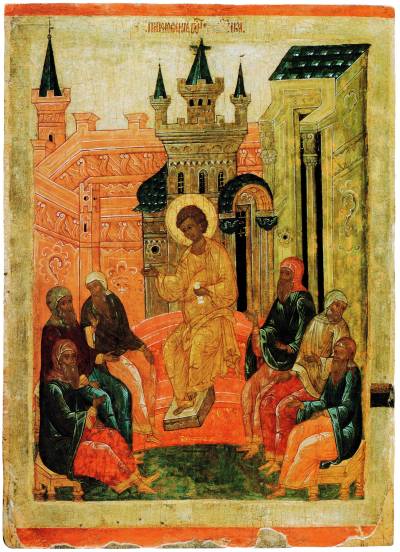 There is no polyeleos at Matins, but only the Great
Doxology. The Katavasia on the very day of the feast and on the handing over
of the feast is not the Paschal Kastavasia, but “You thickened the sea.” At
Matins and Liturgy, instead of “More honorable” and “It is worthy to meet,”
the irmos is sung: “Virginity is unfamiliar to mothers …” On the very feast,
there is a procession to nearby springs and a small consecration of water.
Mid-Pentecost is celebrated for 8 days and is handed over on Wednesday at the
5th week after Pascha. In the service of the handing over of the feast,
instead of: “It is worthy to meet,” we sing “Virginity is unfamiliar to
mothers …”. There is no fore-feast period.
The period of services dedicated to the Good Samaritan begins, it continues through Thursday and Friday and is handed over on Saturday, since on Monday, Tuesday and Wednesday the Mid-Pentecost service is performed.
The service in honor of this event is performed on Monday, Tuesday and Wednesday after Pascha afterfeast.
On Wednesday of the 6th week, the Handing over of of Pascha takes place, in the likeness of the Handing over of the Twelve Great Feasts. The only peculiarity is that the priest begins the Vespers, Matins and Liturgy in the same way as these services begin on Bright Week, that is, at the open royal doors with a cross and a three-candlestick in his hands, with censing and singing “Christ is risen” with the verses: “May he rise again God.” At Vespers, after the aposticha, we hear the singing of the verse: “Holy Pascha.” The dismissal at Vespers, as well as at Matins, is of the usual Sunday type, with the commemoration of the Saint of the day, without the cross. The Paschal dismissal with the cross happens only at the liturgy. At Matins, three canons are sung: the Canon of Pascha (without hymns to the Theotokos), the canon of the blind man, and the canon of the forefeast of the Ascension. After the stichera on the praises, the stichera of Pascha are again sung in praise: “The Holy Pascha” and then the Great Doxology. The hours are sung with their usual three-psalms. The celebration of Pascha ends at the liturgy, the end of which is the same as on Pascha itself. After the liturgy, the shroud is removed from the altar table and placed in an ark or case arranged for it. At 9 o’clock on this day, it is indicated to begin with the Trisagion, since “Christ is Risen” is no longer read, for the Paschal holiday is handed over with the end of the liturgy, however the prayer “O Heavenly King” is not read until Pentecost.
The Monday following the feast of Pentecost is called “Spirit’s Day,” since it is a holiday in honor of the All-Holy Life-Giving and All-Powerful Spirit, one from the Trinity, one-honest and one-in-essence and one-glorious to the Father and the Son. The chants on this day are almost all the same as on the first day of the holiday. In the evening, Small Compline is celebrated (since Vespers had already taken place) with the canon to the Holy Spirit. The Matins service is without the polyeleos, but with the Great Doxology. During Matins we do sing the irmos of the 9th ode of the canon instead of “More honorable”. At the liturgy we sing the Typica and Beautitudes instead of antiphons, but the peculiarity is that there is an entrance verse. The feast of Pentecost is then celebrated throughout the whole week, on which, therefore, releases the fast on Wednesday and Friday (a continuous non fasting week) and the feast is handed over on Saturday.
The 1st week after Pentecost is dedicated to the celebration of the memory of All Saints, as “the harvest of the Spirit of God” and as “the fruits of Divine grace,” sent down to people on the day of Pentecost. This feast ends the period of the Colored Triodion and begins the usual period of the year, when Divine Liturgy is celebrated according to the Octoechos and the Menaion. On Monday after the Week of All Saints, the St. Peter’s or Apostolic Fast begins, which serves as a preparation for the great feast in honor of the holy Primate Apostles Peter and Paul on June 29th. Due to the fact that the Week of All Saints depends on the day of the celebration of Pascha and is therefore a mobile feast, the Apostolic or Petrovsky fast can be of different duration, anywhere from 8 days to six weeks.
Related Concepts
- all-saints
- apostles-peter-and-paul
- catechumens
- christ-is-risen
- colored-triodion
- commemoration-of-the-dead
- communion
- ephrem-the-syrian
- four-ode
- genesis
- great-entrance
- great-lent
- handing-over-of-pascha
- holy-spirit
- holy-week
- isaiah
- john-737
- lenten-canon
- lenten-matins
- lenten-vespers
- litany-for-enlightenment
- liturgy-of-basil-the-great
- liturgy-of-john-chrysostom
- liturgy-of-st-john-chrysostom
- mid-pentecost
- movable-feasts
- old-testament-readings
- pascha
- patronal-feast
- pentecost
- petrov-fast
- presanctified-liturgy
- prostrations
- proverbs
- psalm-33
- psalter
- radonitsa
- saints-commemoration
- samaritan-woman
- spirit-day
- st-thomas-week
- svetilni
- trinity-verses
- triodion
- two-ode
- water-consecration