History of the Russian Orthodox Church — Topic 1
- The academic discipline “History of the Russian Church”
- Periodization of the history of the Russian Church
- Sources and literature
- Sources and literature. Continue
Periodization of the history of the Russian Church
For the convenience of presentation and study of the material, the history of the Russian Church is usually divided into periods.
1. The Kiev period – 988-1237.
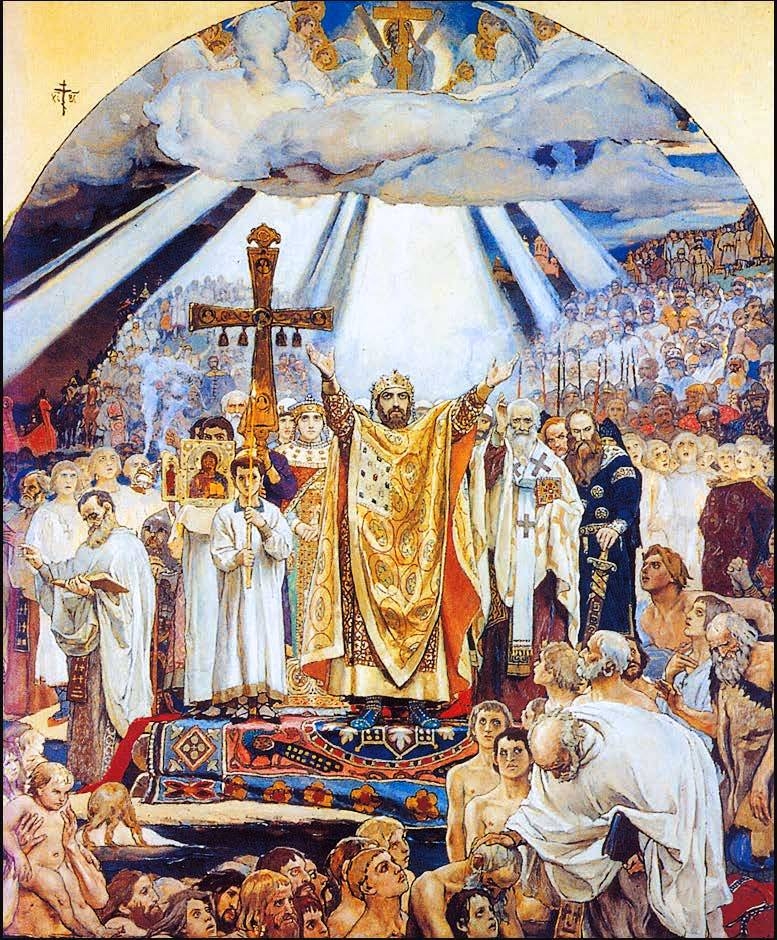
The Kiev period is the beginning of the spread of Orthodox Christianity in Russia and the primary dispensation of the Russian Church. In this period, the Russian Church was most dependent on the Patriarch of Constantinople and the Greek forms of church life. This did not interfere with the process of the manifestation of the original forms of Russian Christianity. The centre of church life at this time was in Kiev - the metropolitan, the first bishop of the Russian Church, lived here. The negative side of the Kiev period was that in the conditions of the political fragmentation of the state, complete unity of church life was impossible. During the Kiev period, a model of interaction between the Church and the state was formed.
2. The Mongol period - 1237-1459.
This period highlights the life of the Russian Church under the conditions of the Mongol yoke in Russia. The yoke is commonly called the military and political captivity of Russian territories by Asian nomads - the Mongols and others1. The yoke contributed to the destruction of the initial Russian statehood. Many lands were devastated, and their population was dispersed or killed. The centre of church life moved from the south to the north of Russia (to Vladimir, and then to Moscow). The Russian Church worked to preserve the Russian civilization during the Mongol period. Russian Orthodoxy’s dependence on the Patriarchate of Constantinople gradually declined at the same time until the Russian Church achieved de facto autocephaly (independence) in 14482. In 1448 St. Metropolitan Jonah was elected as a head of the Russian Church and appointed without the consent of Constantinople. During the Mongol period, the Russian state and Church was united around a new centre - Moscow.
3. The period from the division of the metropolis to the establishment of the Patriarchate – 14593-1589.
As a result of the relocation of the church centre to the north of Russia, there were long-running disputes about the unity of the Russian Church. The Church was divided into two parts as a result of political processes – the South Russian metropolis (with a centre in Kiev) and the North Russian metropolis (with a centre in Moscow). The Kiev part of the Russian Church was under the control of Lithuanian princes and Polish kings and had unfavourable conditions for its development. The Northern Russian metropolis developed under the conditions of actual autocephaly - independence from Constantinople. In addition, the Moscow part of the Russian Church had respect from the state authorities, because it performed a very important task - helping to further unite the territories around Moscow. During this period, the hierarchical order of the Russian Church was strengthened.
4. The Patriarchal period – 1589-1700.
In 1589, the head of the Russian Church became known as the Patriarch. The first Russian Patriarch in our history was Saint Job. During the Patriarchal period, relations between the Russian and Constantinople Churches were normalized. The negative side of this period was that the state authorities tried to restrict the rights of the Church in Russia. On the positive side, attempts were made to form educational centres in the Russian Church – theological colleges and academies. Also work was carried out to unify church- liturgical practice and correct liturgical errors. This resulted in resistance and a large church division known today as the Old Believers schism4.
5. The Synodal period - 1700-1917.
At the beginning of the eighteenth century, the Patriarchate was abolished by Emperor Peter the Great5. A collegial form of management was introduced in the Church – the Holy Synod, which consisted not only of the Church hierarchy, but also of government officials. The Russian Church became part of the state apparatus and received the status of an Office of the Orthodox Confession. On the one hand, this change had negative consequences for spiritual life. On the other hand, theological education and missionary service reached a higher level.
6. The newest period – 1917-2011.
The last period for our course is devoted to the history of the separation of the Russian Church from the state as a result of the 1917 Revolution. During this period, the restoration of the Patriarchate and the primordial conciliar forms of life of the Church took place. This period includes the time of Soviet power and the new, post-Soviet Russia. The Soviet period is characterized by the militant struggle of the state against religion, persecution and discrimination against the Church in general and the believing citizens in particular. In modern Russia, there is a revival of church life and the building of a new model era of Church-state relations.
Sources and literature. Continue
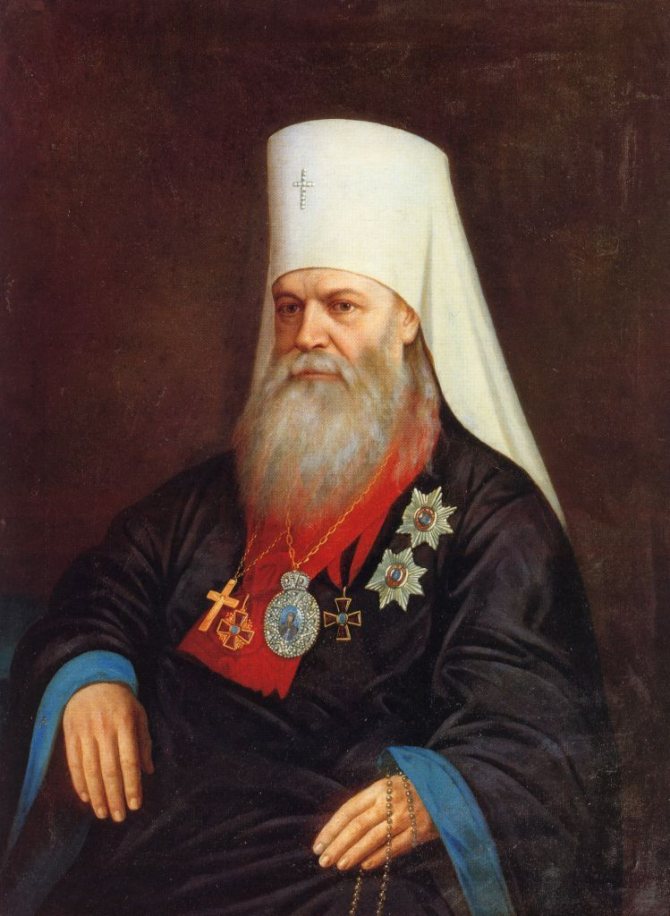
6. Metropolitan Makariy (Macarius) (Bulgakov) - “The history of the Russian Church”
Metropolitan Makary (Macarius) (Bulgakov) wrote the most monumental work on the history of the Russian Church. This work was the historian’s life’s work; the last (12th) volume, ending in the second half of the XVII century, was published after the author’s death. In terms of the completeness of the coverage of the material, the metropolitan’s “History of the Russian Church” can only be compared with S.M. Solovyov’s “History of Russia” (29 volumes). The Russian Church’s canonical position (dependence on the Patriarch of Constantinople) was taken as the basis of the periodization, and within the large sections the author used the time division of the primacy of the First Hierarchs of the Russian Church. In each of the periods, the author examined various aspects of the life of the Russian Church: the history of hierarchy, worship, monasticism, the state of faith in society. Metropolitan Macarius introduced new monuments of writing for scientific use. The fundamental nature of the research, the richness of the collected material, and the excellent language contributed to the fact that this work, commented and supplemented, was republished in the 90s of the XX century.
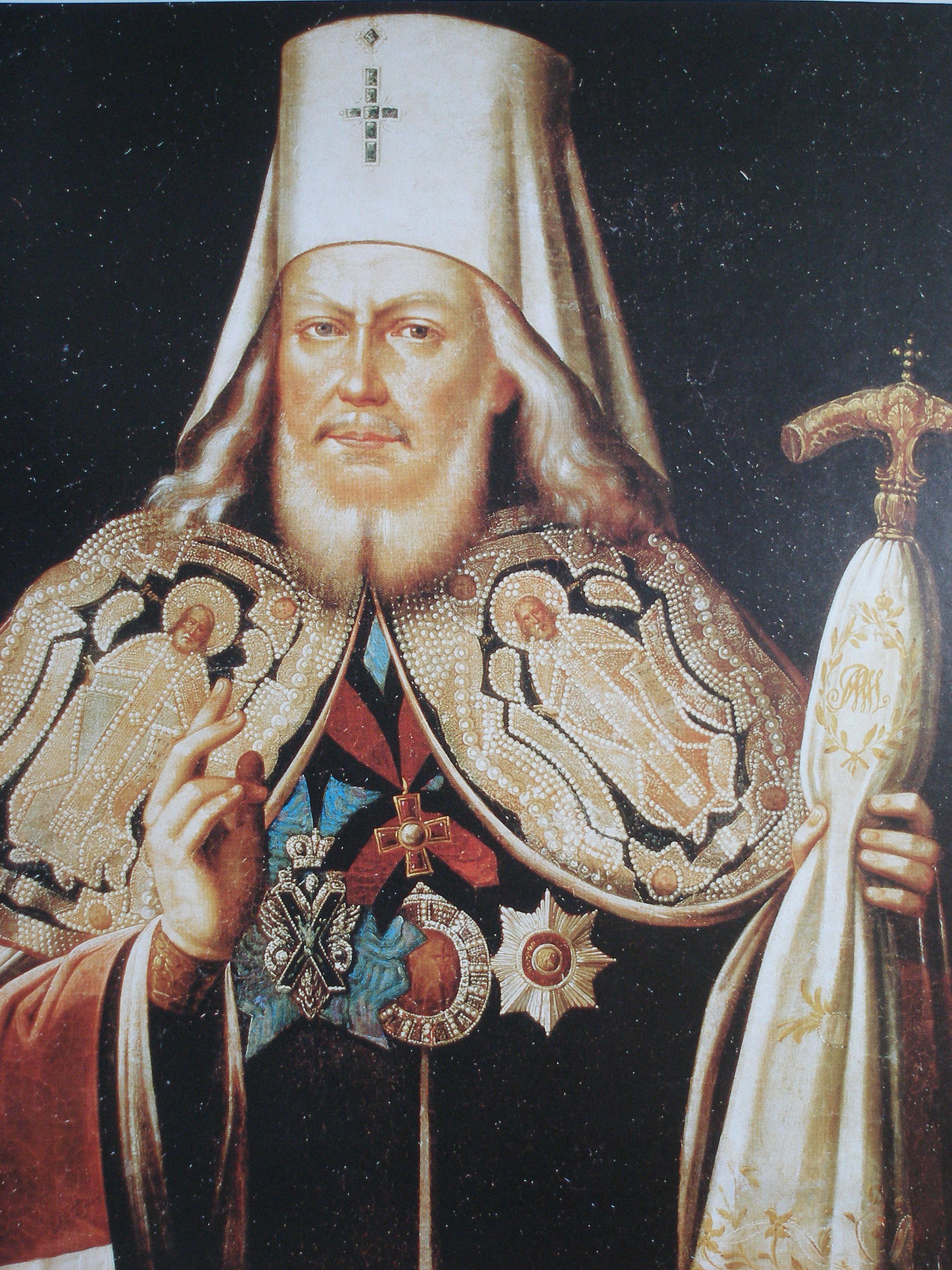
7. Metropolitan Platon (Levshin) - “A Brief Russian Church History”.
Metropolitan Platon (Levshin) (1737-1812) wrote a review work on the history of the Russian Church - “A Brief Russian Church History”. The narrative goes back to 1700. The first edition – 1805, was reprinted by the publishing house of the Trinity-Sergius Lavra in 2010. The material of the book is arranged in chronological order without generalization and systematization. Historians note Metropolitan Platon’s literary talent and his truthful and impartial attitude to history, without the desire to close his eyes to dark phenomena in the life of society and the state. Especially valuable is the author’s critical attitude to historical sources, legends and ancient legends, in particular to the legend about the visit of the Apostle Andrew to the Kiev mountains6.
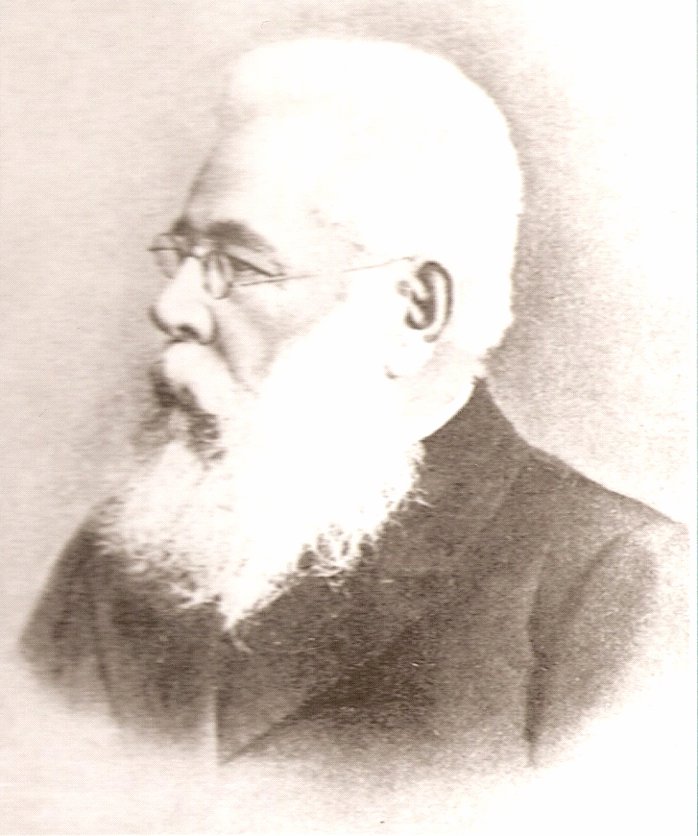
8. Golubinsky E.E. - “The History of the Russian Church” (in 2 volumes)
The unfinished work of professor E.E. Golubinsky - “The History of the Russian Church” (in 2 volumes) - has a special place in the Russian Church historiography. The author brought the narrative up to the time of St. Macarius of Moscow (XVI century). Each volume contains additional materials about Russian liturgical life, spiritual enlightenment, attitude to non- Orthodox, etc., which are based on handwritten texts. E.E. Golubinsky was the first to widely use Byzantine and Western European writings, and also subjected some sources to critical analysis, and declared many generally accepted facts questionable. The critical orientation of the work of E.E. Golubinsky resulted in a ban on its acquisition by libraries of Theological educational institutions.
9. Smolitch I.K. - “The Russian Church’s History (1700-1917)”
“Russian Church History (1700-1917)” - the generalizing work of Igor Smolitch
- covering the entire synodal period of the history of the Russian Church, stands out among the works of Russian historians who emigrated. Despite the fact that Smolitch did not have access to Russian archives, he studied almost all published sources and research literature. The advantage of Smolitch’s book lies in the versatility of the analysis of the synodal period of the Church, the connection of church history with the social and cultural life of Russia at that time.
All of the above scientific works represent the most valuable research on the history of the Russian Orthodox Church. This explains their popularity not only among Russian readers, but also abroad.
Sources and literature
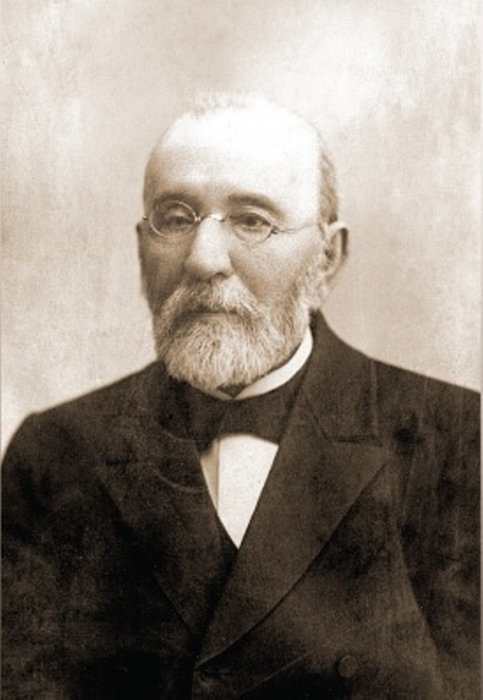
The course is based mainly on the most famous of Russian writers’ scientific works on the history of the Russian Church – the books of Peter Znamensky, Anton Kartashev, archpriest Vladislav Tsypin, Pavel Malitsky and Vladislav Petrushko. In addition, the fundamental works of Metropolitan Makary (Macarius) (Bulgakov), Metropolitan Platon (Levshin), Evgeny Golubinsky and Igor Smolitch were also used in the work.
1. Znamensky P. V. - “The History of the Russian Church”.
This study guide was written for Russian Orthodox seminaries of the early twentieth century. A distinctive feature of Znamensky’s work is brevity, accuracy of characteristics, artistic presentation, accuracy in assessments, great attention to the inner life of the Church and the religious and moral state of society. Among the shortcomings of the study guide is the lack of scientific criticism of sources, which the author deemed unnecessary for the main readership - students of church educational institutions. Chronologically, the narrative ends in the middle of the XIX century.
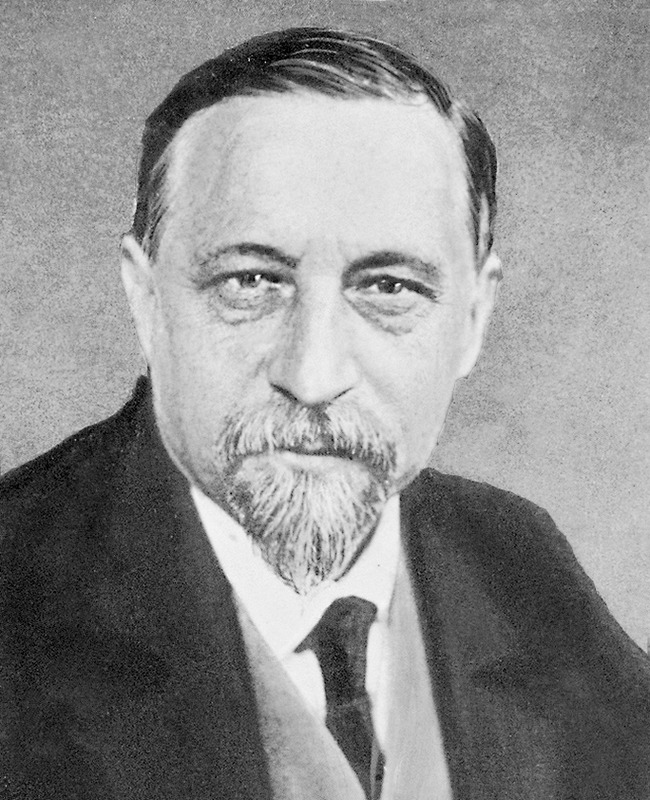
2. Kartashev A.V. - “Essays on the history of the Russian Church”.
Professor Kartashev was not only a famous scientist. He was the last Chief Procurator (Ober-Procurator) of the Holy Synod and Minister of Confessions of the Russian Provisional Government. In the fifties of the twentieth century, while in exile, he created a generalizing course on the history of the Russian Church - “Essays on the History of the Russian Church” (in 2 volumes). The author relied on the work of E. E. Golubinsky (up to the XVI century.) and brought the narrative up to 1801. The historian conducted the presentation according to the time spent at the pulpit of the Primates of the Russian Church. The peculiarity of the work is the lecture character, therefore there are no references in it, and only a bibliography to the sections is given.
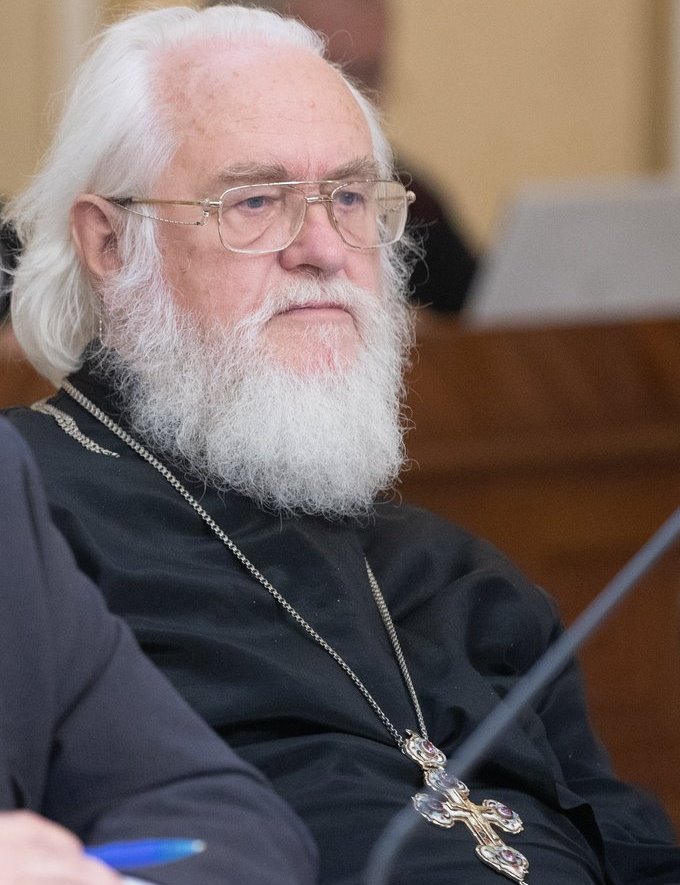
3. Archpriest Vladislav Tsypin - “The History of the Russian Orthodox Church. The Synodal period and recent period. 1700—2005”.
Professor of the Moscow Theological Academy archpriest Vladislav Tsypin has written this extensive work - “The History of the Russian Orthodox Church”, covering the Synodal and Modern periods. This is the only scientific work at the moment devoted to these historical periods. A distinctive feature of the works is the clarity of wording and deep insight into the logic of historical events.
4. Malitsky P.I. - “The Guide to the history of the Russian Church”.
“The Guide” of Malitsky covers the period from 988 to the middle of the XIX century. Before the revolution, “the Guide” was recommended by the Church Educational committee as a study guide for theological seminaries and by the Ministry of Public Education for libraries of secondary educational institutions. “The Guide” is based on the works of famous Russian historians: P.V. Znamensky, A.P. Dobroklonsky, Archbishop Filaret (Gumilevsky), E.E. Golubinsky, N.F. Kapterev, etc.
5. Petrushko V.I. - “Essays on the history of the Russian Church. From ancient times to the middle of the XV century” and “The History of the Russian Church. The first patriarchal period (the end of the XVI - XVII century)”.
The work of Vladislav Petrushko, Professor of the Orthodox St. Tikhon’s University for the Humanities, is a two-volume work devoted to the history of the Russian Church from the beginning of its existence until the establishment of patriarchal authority. The scientific work examines the most important events in the history of the Russian Church during its existence as a metropolis of the Patriarchate of Constantinople. In the future, we will be talking about the events of the period of the emergence of the autocephaly of the Russian Church and the establishment of the patriarchate.
The academic discipline “History of the Russian Church”
The academic discipline “History of the Russian Church” studies the history and features of the emergence and development of Orthodox Christianity in Russia from the tenth century up to the present day. This course on the history of the Russian Church is given as an overview of what happened Chronologically, it includes the entire historical path of the Russian Church from the Baptism of Rus to the present time.
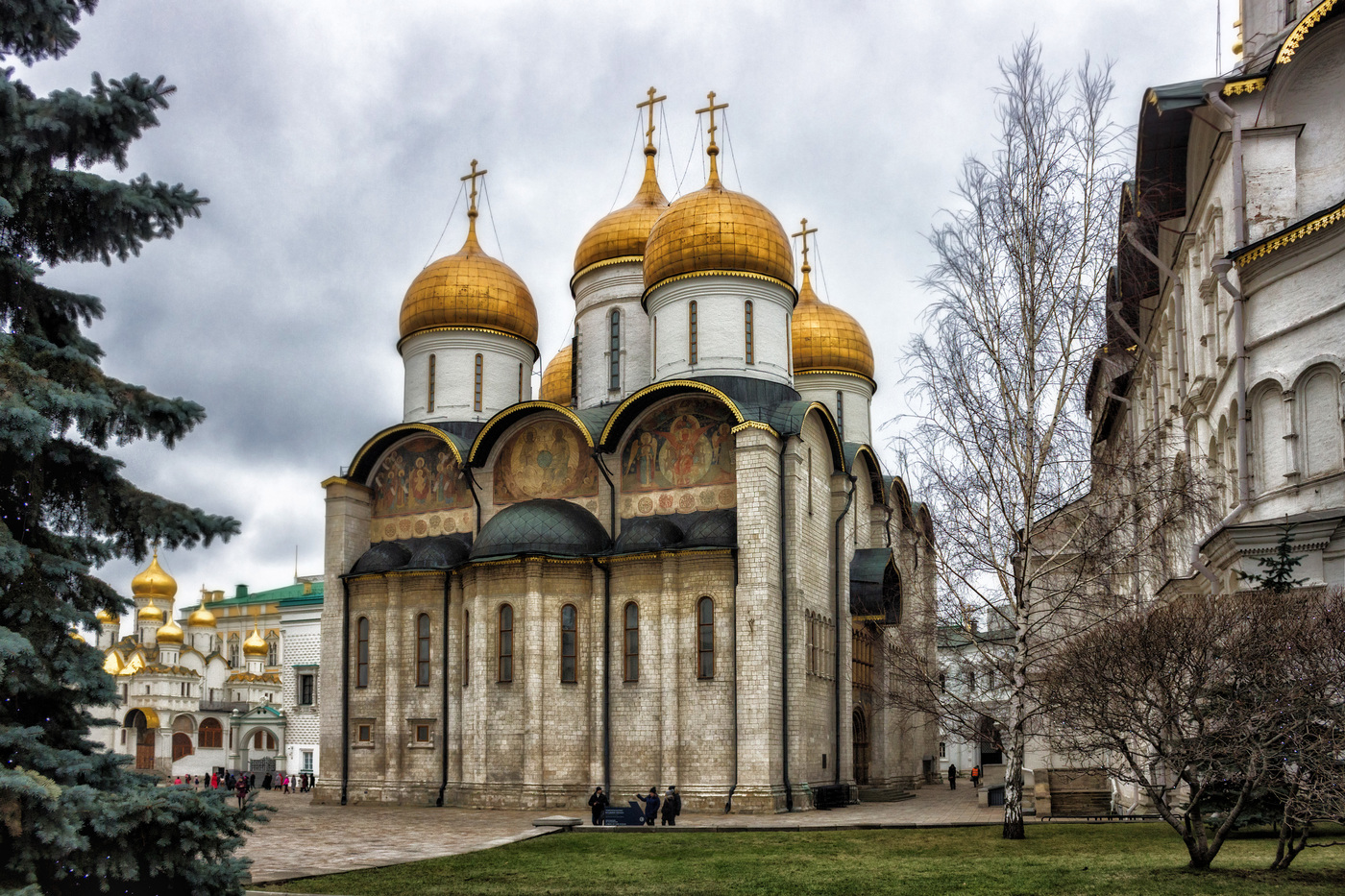
The Russian Orthodox Church emerged in the vastness of eastern Europe on the eve of a dramatic moment in church history7, when in 10548 the Roman Church separated from communion with the Universal Apostolic Church. As a result, the Roman Catholic Church, which has no communion with Orthodoxy, began its existence. The paths of the Orthodox East and the Catholic West finally diverged when Constantinople fell and was plundered in 12049 under the onslaught of the western Crusaders. All this largely determined the future fate of the Byzantine Empire. Entrapped in between the Islamic East and the Catholic West, who were equally hostile to Byzantium, this great Orthodox Empire was starting a long period of decline.
With the death of Byzantium, it might seem that Orthodoxy would also disappear. But the Orthodox Church, according to Christ, cannot cease to exist here on earth before the history of mankind itself ends. The Church will remain on earth until the end of time. Therefore, in the context of the future destinies of Orthodoxy, it was vitally important that at this critical moment, on the eve of the Great Schism of 1054, that a new Local Orthodox Church arose in Russia - the successor of the Church of Constantinople and the guardian of Universal OrthodoxySo, the object of this discipline “History of Russian Church” is to formulate students understanding of the spread of Christianity in Russia, the structure of the Russian Church, its liturgical and canonical system, the relationship between the Church and state power, the role of the Church in public life and its influence on the development of education and culture. The subject of the course is the Russian Orthodox Church itself. By the Church we mean a society of people who believe in Christ, united by worship, sacraments, canonical hierarchy. The subjects of the study in the framework of our review are: the activities of the sacred hierarchy, the actions of the state leadership in relation to the Church and significant events in the church’s life.
Introduction to the
discipline
Editorial Footnotes
Related Concepts
- ante-nicene-period
- autocephaly
- avvakum
- bishops
- bishops-conference
- byzantine-empire
- canonical-authority
- canonical-independence
- canonical-position
- canonical-territory
- church-autocephaly
- church-center
- church-governance
- church-of-japan
- church-reforms
- church-separatism
- church-turmoil
- church-unity
- conciliar-forms
- constantinople
- constantinople-patriarchate
- constantius
- course-structure
- crusaders
- dissenters
- ecumenical-councils
- enthronement
- finnish-orthodox-church
- florentine-union
- georgian-orthodox-church
- golden-age-of-patristic-literature
- great-schism-of-1054
- greek-metropolitans
- hesychast-controversies
- hierarchy
- historiography
- holy-synod
- imperial-authority
- kartashev
- kiev-period
- liturgical-reforms
- local-church
- local-council
- metropolis
- metropolitan
- metropolitan-isidore
- metropolitan-jonah
- metropolitan-macarius
- metropolitans-photius-and-isidore
- mongol-period
- moscow
- moscow-church
- moscow-metropolis
- mother-church
- nationalism
- newest-period
- obedience-to-god
- ober-procurator
- office-of-the-orthodox-confession
- old-believers
- old-rite
- orthodox-church-in-america
- papist-tendencies
- patriarch
- patriarch-nikon
- patriarch-of-constantinople
- patriarchal-enthronement
- patriarchal-period
- patriarchate
- patriarchate-of-constantinople
- patriarchs-job-and-hermogenes
- perestroika
- periodization
- persecution
- peter-the-great
- post-soviet-revival
- primacy
- primate
- primates
- relations-with-constantinople
- religious-policy
- restoration-of-patriarchate
- roman-catholic-church
- russian-church
- russian-statehood
- saint-job
- sobornost
- solovki-uprising
- sources-and-literature
- soviet-atheism
- soviet-persecution
- st-job
- st-metropolitan-jonah
- state-apparatus
- synodal-period
- thomos
- time-of-troubles
- ukrainian-church-council
- unia
- universal-apostolic-church
- universal-orthodoxy
- vladimir
Footnotes
-
The phrase “Mongol yoke” (and “Tatar-Mongol yoke”) is a later historiographical label, not a contemporary one — it is absent from Rus’ sources of the period and entered Russian usage only in the 18th–19th centuries (the term derives from later Polish and Russian writings). “Asian nomads – the Mongols” also oversimplifies the Golden Horde, whose population was predominantly Turkic-speaking (Tatar) under a Mongol dynastic elite. Modern scholarship further questions how total the “captivity” was, since the Rus’ principalities kept their own princes and the Church itself was granted tax exemptions and legal protection by Horde charters (yarlyks). ↩
-
Correctly described as de facto independence: the 1448 election of Jonah without Constantinople’s sanction was a unilateral act and was never formally granted or recognized by the Ecumenical Patriarchate at the time. Canonical recognition of Moscow’s autocephalous status came only in 1589–1593, with the establishment of the Moscow Patriarchate. The break was precipitated by Moscow’s rejection of the Council of Florence (1439) union with Rome. ↩
-
The formal split of the Kievan metropolis is more commonly dated to 1458, when the Rome-based uniate patriarch Gregory III Mammas consecrated Gregory the Bulgarian as a separate metropolitan of Kiev. The date 1459 here refers to the responding council in Moscow, which bound the northern bishops to Jonah and his Moscow successors. ↩
-
The Old Believers (Raskol) schism arose from the liturgical reforms of Patriarch Nikon in the 1650s–1660s and the councils of 1666–1667, rather than from the establishment of the Patriarchate in 1589. It is one of the most consequential and still-unhealed divisions in Russian religious history; some groups were only reconciled or had the old rites formally rehabilitated in the 20th century (the anathemas were lifted in 1971). ↩
-
The Patriarchate was not abolished by a single act “at the beginning of the eighteenth century.” After Patriarch Adrian died in 1700, Peter left the office vacant (appointing only a locum tenens) and formally replaced it with the Holy Synod only in 1721, through the Spiritual Regulation. Peter also did not bear the title “Emperor” until 1721; before that he reigned as Tsar. ↩
-
The tradition that the Apostle Andrew sailed up the Dnieper and blessed the hills where Kiev would later stand is preserved in the Primary Chronicle but is regarded by historians as a legendary insertion rather than a historical event. Metropolitan Platon’s skepticism, noted here, anticipates the mainstream modern scholarly consensus. ↩
-
This compresses the chronology. The Russian Church “emerged” with the Baptism of Rus’ in 988 — roughly 66 years before the 1054 schism — so “on the eve of” is rhetorical rather than literal. Christianity was also present among the Rus’ earlier still (e.g. the baptism of Princess Olga, c. 957). ↩
-
The “Great Schism” was a gradual estrangement over centuries, not a clean rupture in a single year. The events of 1054 were mutual excommunications between Patriarch Michael Cerularius and the papal legate Cardinal Humbert that were technically personal and limited in scope; many historians date the decisive break to the sack of Constantinople in 1204 (as this text’s following sentences themselves suggest). Neither did the Roman Catholic Church “begin its existence” in 1054 — both East and West claim continuity with the one undivided ancient Church. ↩
-
Constantinople did fall to and was sacked by the Fourth Crusade in 1204, but the Latin Empire that followed held the city only until 1261, when the Byzantine (Nicaean) emperor Michael VIII Palaiologos recovered it. The Byzantine Empire itself survived until the Ottoman conquest of 1453 — the city’s 1204 fall was a turning point, not the end of Byzantium. ↩